

If you search for rub and tug williamsburg brooklyn, you land in a tangle of rumor, slang, and half-remembered stories. The phrase hangs in the air like neon—suggestive, opaque, and not nearly as simple as it sounds. Williamsburg, with its warehouses-turned-lofts, waterfront parks, and nightlife, has always attracted curiosity. That curiosity, in turn, creates a ripe environment for urban legends about hidden rooms, coded ads, and secret menus. But there’s a deeper story under the buzzwords. It’s about how a neighborhood changes, how language sticks, and how we draw lines between wellness, sex, and the law.
Let’s take a slow walk through the context. What people think rub and tug means, what’s actually legal in New York, how Williamsburg’s evolution shaped the conversation, and how you can navigate the local wellness scene without getting swept into hearsay. No winks, no lectures—just a clear-eyed look at a messy topic that says as much about the city as it does about a few ambiguous storefronts.
What the Phrase Means—and Why It Lingers
The phrase “rub and tug” is a piece of slang for a massage that’s really a sexual service by another name. It’s shorthand, blunt and crude. You see it muttered on message boards, dropped in whispered recommendations, or lobbed as an accusation at any small spa that doesn’t match someone’s idea of “legitimate.” In the context of rub and tug williamsburg brooklyn, the phrase does two things at once: it promises a secret for those who want it, and it stigmatizes workers and businesses—often immigrant-run—whose signs say one thing while gossips insist on another.
Here’s the uncomfortable truth: the phrase has outlived countless real places. It drifts from one neighborhood to the next, telling you more about the fantasies or fears of the speaker than about any given block. Williamsburg’s shift from gritty industrial zone to polished playground makes it a perfect canvas for this kind of projection. Old warehouses still whisper; new hotels glitter; and in the gaps, rumor thrives.
Williamsburg, Before and After: A Quick Neighborhood Map
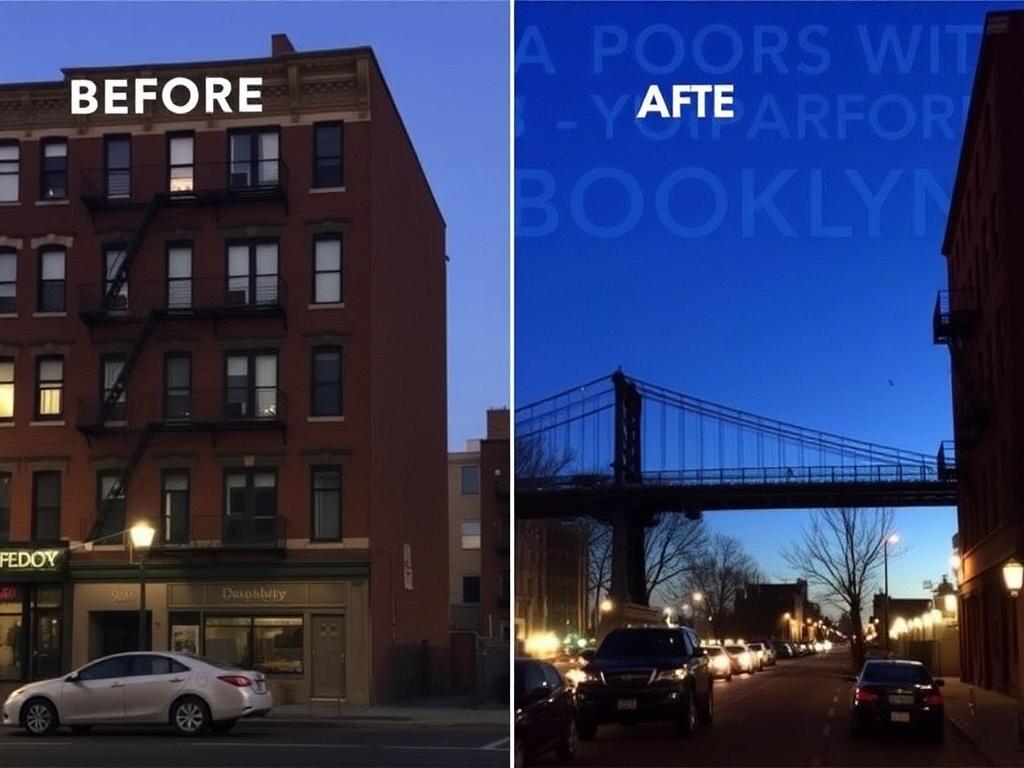
Williamsburg was factories and freight tracks long before it was a brunch map. People who grew up here remember truck routes and cheap rents. Artists came in waves; then came the 2005 rezoning on the waterfront, which turned silent industrial land into a line of towers. Domino Park rose from a sugar refinery’s bones. Bedford Avenue became a walking parade. The L train carried an army of laptops. The Southside, with a strong Hasidic community and long-standing Latino roots, kept its own pace apart from the new rush. It’s a mosaic that resists a single story, however many real-estate brochures try to flatten it.
Any neighborhood undergoing rapid change develops friction. Old and new collide in pricing, design, and even language. The rumor of rub and tug williamsburg brooklyn is one expression of that friction. A decade ago, people were whispering about unmarked doors. Today, you’re more likely to hear about day-pass bathhouses or hotel spas with skyline views. Yet the whispered phrase persists, a ghost from the past hitching a ride on the present.
Law and the Line: What’s Legal in New York
New York makes a clear distinction between licensed massage therapy and sexual services. Massage therapy here is regulated by the New York State Education Department. Licensed Massage Therapists (LMTs) complete substantial training, pass a state exam, and are bound by professional ethics. They may specialize in sports massage, prenatal work, lymphatic drainage, or myofascial release, among other modalities. None of that includes sexual services.
Prostitution is illegal in New York. Over the past few years, several local prosecutors in New York City have shifted priorities: fewer prosecutions of individual sex workers, more focus on trafficking and exploitation. That doesn’t make sexual services legal; it changes how and where enforcement happens. City agencies still investigate unlicensed massage businesses, building safety violations, and signs of coercion. There are health inspections, licensing checks, and community complaints processed through channels like 311. The legal and regulatory lattice is real, even when it’s unevenly applied.
In practice, the line shows up in plain behaviors. Legitimate spas post licenses. Treatment menus are specific. Staff can talk about pressure and technique; they cannot, and do not, offer sexual services. When people use rub and tug williamsburg brooklyn online, they are mixing a slang term for illegal activity with a neighborhood that has plenty of lawful massage businesses. Confusion thrives when people don’t know how to tell one from the other.
Licensed Massage vs. Illicit Sexual Services: A Simple Comparison
| Aspect | Licensed Massage Therapy (LMT) | Illicit Sexual Services |
|---|---|---|
| Legal status in NY | Legal, regulated by NY State | Illegal |
| Training | Formal education, state exam, continuing education | No recognized professional training required |
| Licenses on display | Yes—LMT license posted and verifiable | Often absent or unrelated to massage therapy |
| Service menu | Clear modalities, times, prices | Vague or coded; may imply non-massage services |
| Boundaries | Firm professional boundaries; no sexual contact | Boundary violations are part of the offer |
| Worker protections | Professional standards and complaint processes | Exploitation risk; workers often lack protections |
Behind the Storefront Glass: People at the Center
Strip away the slang and you’re left with people. Some are licensed professionals working a hard, physical job—hour after hour, body mechanics dialed in, aiming for relief, not innuendo. Others are service workers running the desk, tidying treatment rooms, trying to make rent in a zip code that’s sprinting away from them. And in the shadows of rub and tug williamsburg brooklyn, there are people who may be exposed to coercion, debt, language barriers, and fear—problems bigger than any single spa or block.
Over the past decade, advocates for immigrant massage workers in New York have organized for safety and dignity, especially for Asian women whose workplaces get targeted by both stereotypes and police stings. Their message is simple: safety, language access, labor rights. They argue for the difference between consensual adult work and trafficking, for differentiating labor violations from criminal suspicion, and for city policies that don’t push vulnerable people further underground. You can disagree on policy and still agree on this: the conversation shouldn’t erase the people involved.
How Rumors Spread: The Internet’s Amplifier
Type rub and tug williamsburg brooklyn into a search bar, and you’ll find a breadcrumb trail of speculation. A few forums trade innuendo and coded reviews. Social platforms don’t allow explicit solicitations, but signals still slip through. That’s how rumor economies operate. A stranger posts a suggestive hint; another repeats it; a third adds embellishments. Within a week, a bland comment about a backroom becomes lore. All the while, the real business—maybe run by a family doing foot reflexology and neck work—keeps the lights on and wonders why a certain kind of customer keeps asking odd questions at the desk.
Williamsburg’s density makes it easy for a story to travel. A line outside a bathhouse? Must be something scandalous. A cash-only spot with limited English signage? Suspicious, says the person who’s never checked a state licensing lookup. None of that proves anything. It only proves how fast we leap from ambiguity to assumption when a phrase like rub and tug williamsburg brooklyn is sitting in our heads, primed to confirm what we already want to believe.
The Wellness Boom—and What It Changed
There’s another reason the old slang persists: massage is now everywhere. Once an occasional splurge, it’s become part of a broader wellness economy that Williamsburg embraced early. There are minimalist day spas with eucalyptus steam rooms, Nordic-inspired saunas where you can book a cold plunge between meetings, hotel rooftop treatment suites with East River views, and tiny studios where a single practitioner kneads out the knots caused by a desk job and a bad pillow.
As the legitimate wellness scene expands, the line between clinical, athletic, and indulgent services blurs. That can confuse people who assume that anything luxurious must be coded for something else. In reality, what you’re seeing is diversification. A place might do deep tissue work and also sell adaptogenic teas. Another offers stretch sessions next to infrared therapy. The glossy menus are part of a new aesthetic, not evidence of anything illegal. If you’re scanning rub and tug williamsburg brooklyn and thinking every spa is a front, you’re missing the bigger picture: a neighborhood leaning into self-care culture, for better or worse.
If You Want a Massage in Williamsburg: How to Choose Responsibly
Maybe you’re just sore from walking the waterfront. Maybe your shoulders live up by your ears. You want a good, lawful, professional massage. Here’s how to find it without getting tangled in the noise around rub and tug williamsburg brooklyn. The goal isn’t to turn you into a detective; it’s to give you a few commonsense signals so you can relax once you’re on the table.
Practical Steps
- Check for licensing. In New York, massage therapists are licensed by the state. Many businesses list license numbers on their websites or display them at the desk. You can verify an LMT through the New York State Office of the Professions’ online lookup.
- Read the menu. A clear list of services with times and prices is a good sign. Look for recognized modalities (Swedish, deep tissue, sports, prenatal, lymphatic).
- Ask a straight question. “Do you have licensed massage therapists on staff?” or “What pressure levels do you offer?” The answers should be direct, not evasive.
- Notice the intake. Most quality places ask about injuries, preferences, and health conditions. It shows they’re thinking like professionals.
- Expect boundaries. Draping, informed consent, and professional demeanor are the baseline. If a staff member suggests anything sexual, walk out. That’s not massage.
Red Flags
- No licenses visible and staff can’t explain their qualifications.
- Vague or suggestive advertising that avoids naming actual massage techniques.
- Refusal to discuss draping or pressure, or an unwillingness to do a basic intake.
- Pressuring tactics, hidden fees, or a hostile reaction to questions about licenses.
Questions to Ask a Spa or Studio
| Question | What a Solid Answer Sounds Like |
|---|---|
| Are your therapists licensed in New York? | “Yes, all therapists are LMTs. You can see licenses at the front desk.” |
| What modalities do you offer? | “Swedish, deep tissue, sports, prenatal; our website lists details and pricing.” |
| How do you handle draping and privacy? | “We follow standard draping protocols. Only the area being worked on is exposed.” |
| Is there an intake form? | “Yes, we ask about health history and preferences to tailor your session.” |
| Do you accept cards and provide receipts? | “Yes, we take major cards and can email or print your receipt for FSA/HSA.” |
Consent, Respect, and the Room You’re In
Massage is built on trust. The therapist asks about your needs, checks in on pressure, and watches for cues. You set boundaries and can adjust them at any moment. That dance requires a sense of safety on both sides. On the client’s side, that means arriving with normal expectations—relief, recovery, relaxation—not the subtext of rub and tug williamsburg brooklyn. On the therapist’s side, it means professional standards and clear communication. If either side feels uneasy, the session ends. No drama. That’s how ethical service works.
It’s worth saying plainly: a client asking for sexual services in a licensed massage setting puts the worker in a stressful and potentially dangerous position. And for the client, it’s a fast path to being shown the door. Respect keeps the room humane for everyone.
Media Tropes vs. Reality
Movies and TV love the idea of a backroom secret. A neon sign flickers; a bell rings; a protagonist smirks. It’s an easy visual, and it’s lazy storytelling. Real life is infinitely more prosaic. Most wellness businesses in Williamsburg—massage studios, saunas, spa hotels—are exactly what they look like. Meanwhile, the stories that fuel rub and tug williamsburg brooklyn often collapse decades, cities, and contexts into one blurry anecdote.
That doesn’t mean illicit activity doesn’t exist. It means rumor can’t be your only evidence. When we lean on tropes instead of facts, we end up targeting the most visible people with the least power—immigrant workers, small operations with limited English signage—while ignoring the structural issues that shape risk and exploitation.
Policy Choices Ahead: Decriminalization, Safety, and the City We Want
New York has been debating sex work policy for years. Some advocates argue that decriminalizing adult consensual sex work would reduce harm, improve health access, and give workers more agency to report abuse. Others believe full decriminalization would expand exploitation and normalize industries that prey on vulnerability. Many agree on targeting trafficking, coercion, and violence—and on not punishing people who are themselves vulnerable to those harms.
Where does rub and tug williamsburg brooklyn fit into that policy map? It’s a reminder that language shapes enforcement. If a phrase can turn any small business into a suspect, enforcement risks becoming bias with a badge. On the other hand, if the city looks away entirely, exploitation can hide in plain sight. The way forward is dull and difficult: labor protections, translation and outreach, clear professional standards, housing support, and data-driven enforcement focused on coercion rather than rumor.
Resources and Reporting Options
- For suspected human trafficking: National Human Trafficking Hotline at 1-888-373-7888 (or text 233733). They connect callers with local services and law enforcement when requested.
- For business complaints in NYC (licenses, signage, operating conditions): call 311 or use the 311 website/app.
- To verify a massage therapist’s license: use the New York State Office of the Professions online verification tool.
- Worker support and advocacy: local community organizations in NYC offer language-accessible legal clinics and labor rights information.
A Sense of Place: The Streets Behind the Search Term
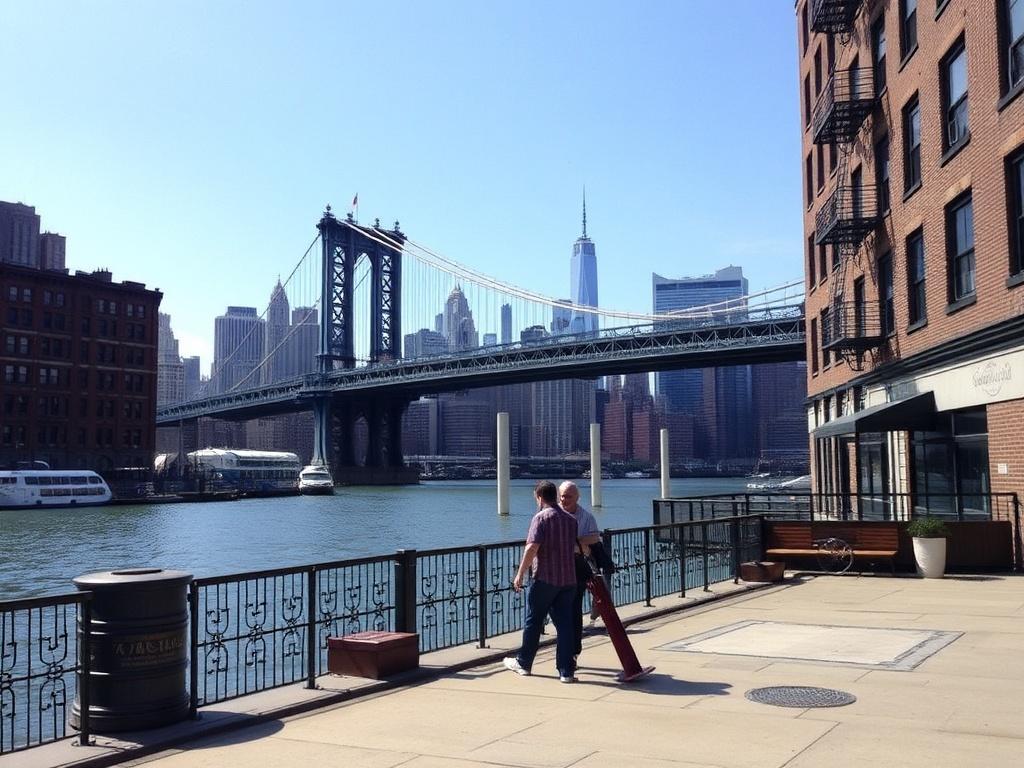
Forget the slogan for a moment. Walk the neighborhood. In the morning, McCarren Park is a half-awake choreography of joggers and dogs that do not quite agree with the leash. By noon, Bedford Avenue hosts a restless stream of coffee cups and conversations, a thousand microplots unfolding between the crosswalks. On the waterfront, Domino Park gathers wind and strollers, while the bridge hums with cyclists tracing a line to the Lower East Side. Apartment towers cast long shadows; old brick resists in tight-lipped dignity.
Any block in Williamsburg holds two or three versions of itself at once. You can still find a hardware store that smells like sawdust. You can still duck into a deli where the register keeps a rhythm older than you are. And yes, you can book a proper massage to unknot the commute from your neck. If you show up expecting rub and tug williamsburg brooklyn everywhere you turn, you’ll miss the texture—the ordinary, complicated life of a neighborhood that folds the old city and the new one into a single afternoon.
Why the Phrase Persists—and How to Hear Past It
Slang sticks when it’s useful. “Rub and tug” carries a punchy rhythm that’s almost designed for search bars. It promises a shortcut and a smirk. That’s why rub and tug williamsburg brooklyn shows up online even when it doesn’t fit the place in question. It’s bait. It’s also a filter that flattens nuance. Instead of asking what people actually do in a space, the phrase presumes the answer.
You can listen differently. If you hear someone repeat the slang, ask what they mean, precisely. If they’re just tossing a wink across the table, you know it’s folklore, not fact. If they’re describing a concern—labor practices, safety issues—then there’s a real conversation to have: how to support workers, how to file complaints responsibly, how to set and respect boundaries in a wellness setting. Either way, clarity beats rumor.
For Visitors and Newcomers: A Quick Orientation
Williamsburg is navigable without a map, but a little context helps. The Bedford Avenue corridor is a spine of cafes, boutiques, and small studios; the waterfront from North 5th to South 1st is a line of parks with views that don’t get old; deeper into the neighborhood you’ll hit quieter residential blocks, pocket-size groceries, and the occasional warehouse still doing its original job. Every few blocks, you’ll see a wellness space—yoga studio, acupuncturist, stretch lab, massage clinic.
If your itinerary includes a treatment, keep it simple. Look up a place that lists its therapists, their training, and its pricing. If you’re using a booking platform, skim reviews for specifics about technique and professionalism. In a city this dense, mediocrity doesn’t last long—nor do places that rely on innuendo instead of craft. You don’t need to chase rub and tug williamsburg brooklyn rumors to find a good massage. You only need to apply the same common sense you’d use for any service: look for credentials, clarity, and a clean, welcoming space.
Workers’ Realities: Labor, Language, and Listening
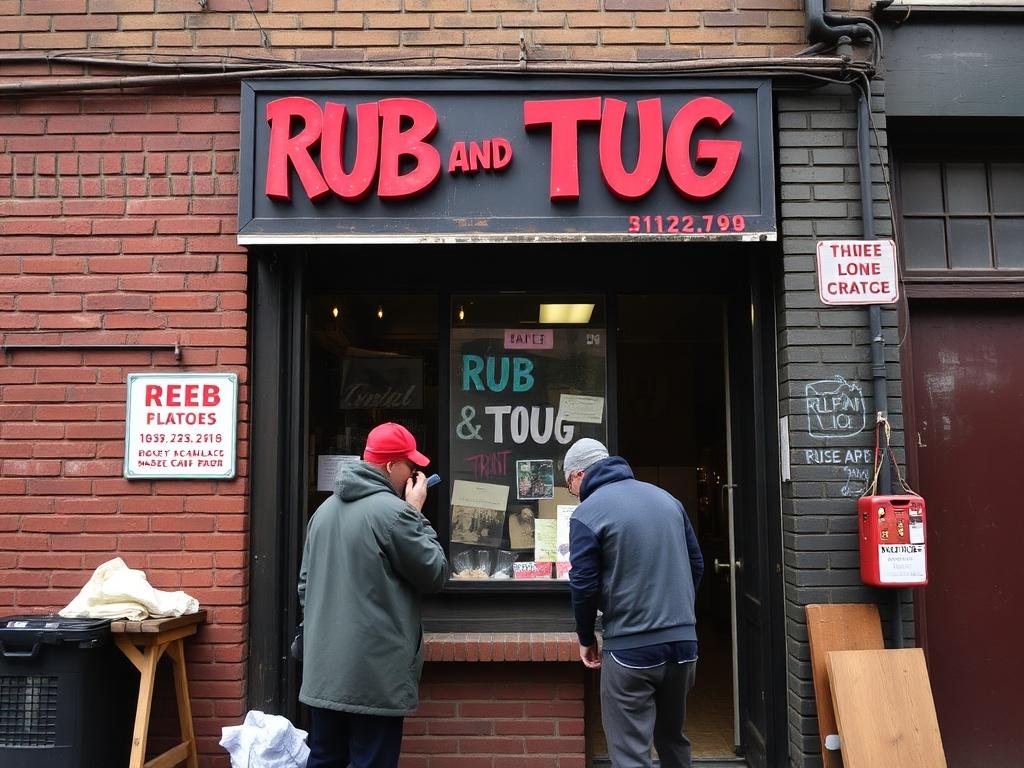
Every service job in New York is a negotiation: wages versus rent, hours versus commuting, patience versus fatigue. Massage adds the physical toll of repetitive strain and the social balancing act of holding space for strangers’ stress. For immigrant workers, language and licensing requirements create extra hurdles. Some have the credentials but not the English fluency to navigate a front-desk script. Some are trainees building hours. Some are receptionists or support staff whose names you never learn but whose work keeps the place running smoothly.
The rub and tug williamsburg brooklyn storyline tends to erase those people, replacing them with a wink and a fantasy. If we’re serious about caring how our city functions, we can do better. Ask about a therapist’s expertise the way you’d ask a barista about beans. Tip fairly. Be on time. And if you hear someone reduce an entire business to a slur, push back with specifics: What did you experience, exactly? Are you confusing a lack of polish with something else? Is there a concrete issue to report, or are we trading in stereotype?
How Businesses Communicate—And Why It Matters
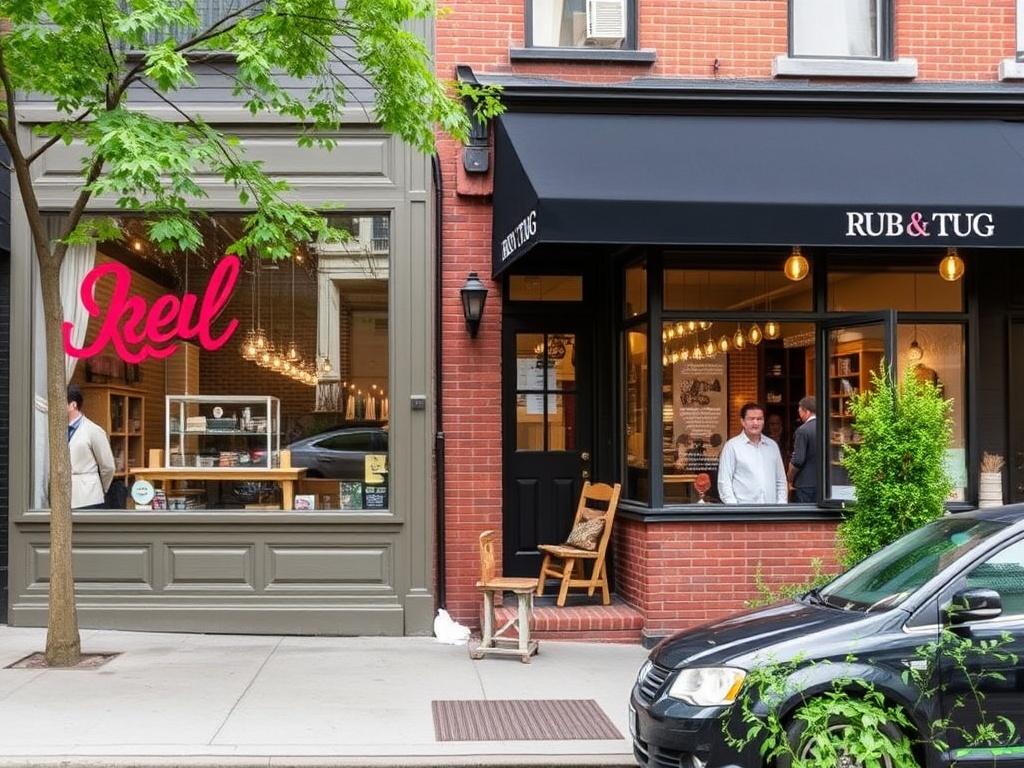
Look closely at how wellness spots in Williamsburg present themselves. Visual design isn’t just about vibes; it’s about signaling standards and building trust. A clean website with clear prices and cancellation policies saves everyone headaches. A posted license says, “We’re accountable.” Intake forms say, “We tailor this to you.” Those small points matter more than any glossy marketing line.
The businesses that thrive here have learned to be upfront. That clarity protects both clients and staff, and it helps fade the persistent echo of rub and tug williamsburg brooklyn. The more precise the public information, the less oxygen rumor has to burn.
When Confusion Strikes: What to Do in the Moment
Maybe you booked a place you don’t know. The front desk seems chaotic, and you notice there’s no license posted. You feel uncertain. You have two options. One: ask a straightforward question. “Is the therapist licensed? Can I see their license number?” If the answer is antagonistic or evasive, option two is simple: leave. You don’t owe anyone further explanation, and you don’t have to spin up a story that folds into rub and tug williamsburg brooklyn folklore. You’re allowed to quietly take your business elsewhere.
On the other side, if you observe something that looks like coercion or danger—people who appear trapped, fearful, or under the control of someone else—that’s not a review issue; it’s a safety issue. That’s when you use 311 or the National Human Trafficking Hotline to report concerns. Be factual, not speculative. Describe what you saw, not what you think it “means.” That discipline protects real people and aims your concern where it belongs.
Language, Respect, and the City We Share

Words do work in the world. When you sling a phrase like rub and tug williamsburg brooklyn casually, you shape how others see the corridor of small businesses on your block. Over time, that language can become a bludgeon, especially against immigrant workers and owners who already live under a weight of assumption. None of this requires you to sanitize reality. It asks you to be precise. If you mean illegal sexual services, say so directly and understand the legal stakes. If you mean you had a bad massage, say that—and explain why, so other people can make informed choices.
Precision is a kind of care. In a neighborhood that changes as fast as Williamsburg, care is what keeps the edges from tearing. It looks like tipping generously when you can. It looks like leaving a fair review that mentions a therapist’s skill instead of their accent. It looks like supporting spaces that do their work clearly and ethically. These are not grand gestures; they’re the small, durable habits of city life.
Snapshots: How the Conversation Shows Up Day to Day
- At a dinner table: someone throws out rub and tug williamsburg brooklyn as a joke. A friend counters with a story about a great sports massage after a 10K, and how the therapist helped them fix their stride.
- On a block near the waterfront: a new sauna club opens, and the line snakes around the corner. Someone mutters about what must be going on inside. Someone else notes the posted health guidelines and laughs off the conspiracy.
- In a studio: a therapist explains trigger point therapy to a client who’s never heard the term. The client leaves moving easier, sends two coworkers the booking link, and the place stays busy on word of mouth alone.
- Online: a thread devolves into hearsay. A moderator deletes it under a policy against sexual solicitations. The conversation shifts to best places for posture and back pain instead.
What We Owe Each Other in a Dense City
New York works because we agree, silently, to keep moving together. We make room on the sidewalk, hold doors, give directions. In business, the compact is similar: be clear, be fair, follow the rules that keep us safe. When that breaks down—when rumor and innuendo try to stand in for facts—we get friction where we need flow.
In Williamsburg, the story of rub and tug williamsburg brooklyn is a microcosm of that compact. It’s about whether we default to suspicion or curiosity, whether we treat workers as people or props, whether we get the services we want by ethical means or chase the glint of secrecy and then act shocked by the fallout. The good news is that the path forward isn’t grand or complicated. It’s a thousand small decisions that, together, set the tone of a neighborhood.
Conclusion

Rub and tug williamsburg brooklyn is a phrase heavy with insinuation and thin on specifics, a holdover from an older rumor economy that struggles to keep up with a neighborhood now defined by legitimate wellness businesses, crowded parks, and a skyline of new glass. The facts on the ground are simple: licensed massage therapy in New York is legal and professional; sexual services are not. Between those poles live people—workers who deserve respect and safety, clients who want relief without complication, and neighbors trying to read the room. If you want a massage here, use the tools that work anywhere: check licenses, read menus, ask clear questions, and walk away when something feels wrong. If you want to talk about the hard stuff—exploitation, enforcement, policy—use precise language and resist turning speculation into verdict. Williamsburg rewards that approach. It’s a place best experienced without a script, one careful, human interaction at a time.