
Sensual massage is often whispered about, sometimes misunderstood, and occasionally misrepresented. Strip away the rumors and it is, at its best, a careful, sensory-focused style of massage that prioritizes comfort, presence, and a deep respect for boundaries. It can be gentle and slow, attentive to texture, temperature, pressure, and breath—an experience designed to ease the nervous system and invite the mind to soften. It is not about crossing lines; it is about honoring them, and finding calm inside them.
Think of it as a conversation in touch. The pace is unhurried. The room is quiet. Nothing feels rushed or routine. Every gesture has a purpose: to soften your shoulders, to lengthen a breath, to coax the body out of vigilance and back toward rest. The essentials—clear consent, thoughtful draping, transparent communication—don’t just prevent problems; they create trust, which is the foundation on which any meaningful relaxation is built.
If you are curious, this guide walks through what a sensual massage service typically involves, how to choose a reputable provider, what to expect before, during, and after a session, and how to decide if it suits your needs. We’ll stay grounded in best practices and practical considerations. No hype. No euphemisms. Just a realistic, respectful look at a modality that, when done well, can feel like exhaling after a long day you didn’t realize you were carrying.
What Sensual Massage Means—and What It Doesn’t
“Sensual” can easily be mistaken for “sexual,” yet in professional settings they are not the same. Sensual massage emphasizes the senses—warmth, texture, pressure, rhythm—and aims to soothe and ground. Practitioners may use slow, flowing strokes, mindful pauses, and careful pacing to encourage comfort. The focus stays within ethical, professional boundaries, with respectful draping and clear agreements about which areas of the body are included. The intent is relaxation and well-being, not sexual activity.
Boundaries are not just a legal requirement; they’re the scaffolding that makes the session feel safe. A reputable practitioner will explain their approach, invite you to set preferences or limits, and check in during the massage. You can say yes or no to any technique or area. Consent is ongoing—something you can revise at any time without apology. A good provider knows this and honors it as a non-negotiable part of the work.
Law and regulation vary widely. In many places, massage therapy is a licensed health or wellness profession with strict guidelines that clearly separate therapeutic massage from any sexual service. If you’re unsure about local rules, don’t guess. Ask the provider how they are licensed and what their code of ethics is, and verify credentials when possible. Clarity protects everyone.
Core Principles: Consent, Care, Professionalism

Three pillars hold up a trustworthy sensual massage service: informed consent, careful communication, and professional conduct. Informed consent means you know what to expect, you agree to it freely, and nothing happens without your say-so. Communication means the practitioner listens, adapts, and provides avenues for feedback. Professional conduct means clear boundaries, proper draping, sanitation, and respect from start to finish.
These principles are simple to describe but meaningful in practice. They cover the practical details—like how the chest and hips are draped, or how pressure is adjusted—as well as the subtler elements, such as how the practitioner checks in, how they pace the session, and how they respond to your cues. The best sessions feel collaborative: you remain in control while the practitioner guides the experience with skill and attention.
Consent in Practice
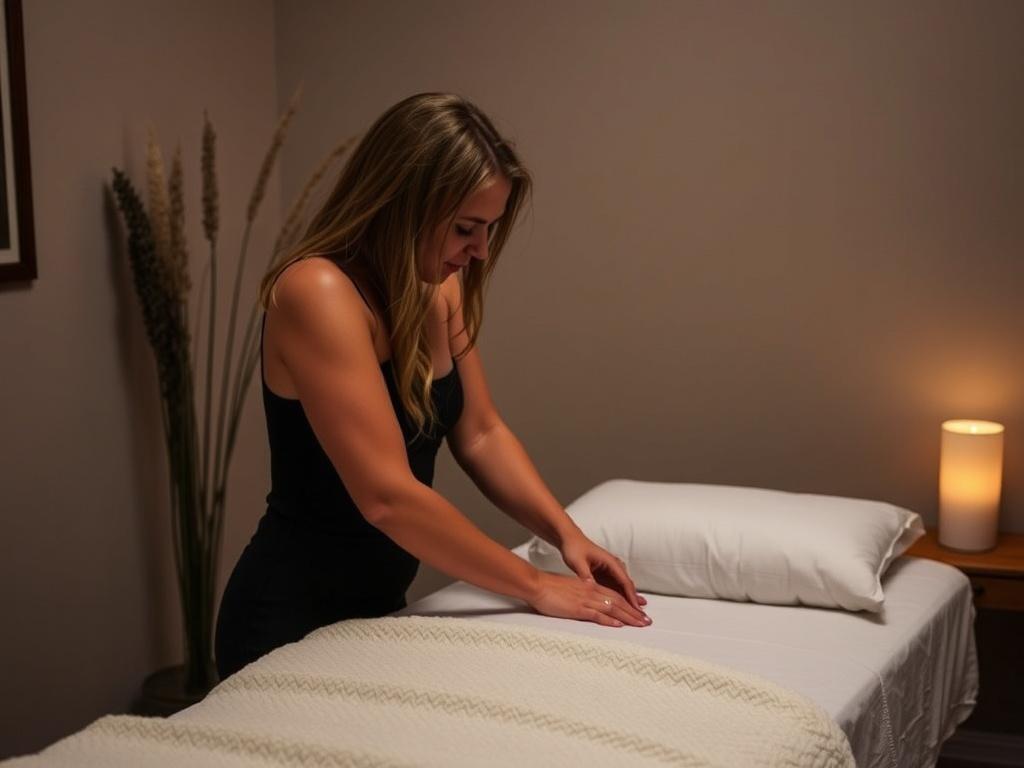
Before any contact, a reputable provider will discuss your goals, sensitivities, health history, and comfort level with touch. They’ll explain what techniques they use, which areas they plan to work on, and what stays off-limits. This conversation should feel calm and respectful, not rushed. You should feel welcome to ask questions and set boundaries, including stopping the session at any time.
During the massage, consent continues. If something feels too intense, you can say so. If you want more pressure, you can ask. Silence should never be taken as blanket approval. Most practitioners invite a simple scale (for example, “one to ten” for pressure) or offer a signal you can use to pause instantly if needed.
Boundaries and Scope
0
Ethical sensual massage avoids intimate areas and adheres to professional draping standards. The practitioner stays within their scope of practice and follows local laws and codes of ethics. They do not diagnose medical conditions or promise cures. They do not engage in dual relationships that might compromise objectivity or safety. The lines are bright on purpose, because clarity improves comfort.
If you’re ever unsure about whether an area is appropriate to include, ask. A trustworthy practitioner will explain their policy plainly and stick to it. Ambiguity is a red flag. Transparency is a green light.
Cultural and Personal Sensitivity
Touch lands differently in different cultures and across personal histories. An experienced provider will avoid assumptions and invite you to share any cultural practices, religious considerations, or personal boundaries they should respect. This may involve preferences about draping, music, fragrance, or which areas feel safest to begin with. Respectful curiosity—paired with confidentiality—goes a long way.
Trauma-informed approaches can be especially valuable. Slow pace, explicit permission, and options for control (for example, choosing the starting position or keeping certain areas covered) help keep the nervous system at ease. Safety is not an ambience; it’s a set of consistent behaviors.
The Session, Step by Step
A typical sensual massage service begins before you get on the table. The space should be clean, quiet, and private. You’ll complete an intake form or a brief conversation about your health history, goals, and preferences. The practitioner will explain what the session includes and how draping works. Then they’ll step out, giving you time to undress to your comfort level and lie on the table under the sheet or blanket provided.
The massage itself tends to favor slower rhythms, long strokes, and a warm, unhurried tempo. The practitioner might blend techniques from Swedish massage—like effleurage (gliding) and petrissage (kneading)—with gentle compressions and still moments that let your body absorb the touch. The focus is on neck, shoulders, back, arms, hands, legs, and feet, with care taken to keep you covered except for the area being worked on.
Communication remains welcome throughout. You can ask for more or less pressure, a slower pace, or adjustments in temperature or music. A good practitioner won’t take requests personally; they’ll adapt. This is your time, not a performance. You set the tone.
The Setting: Lighting, Sound, and Scent
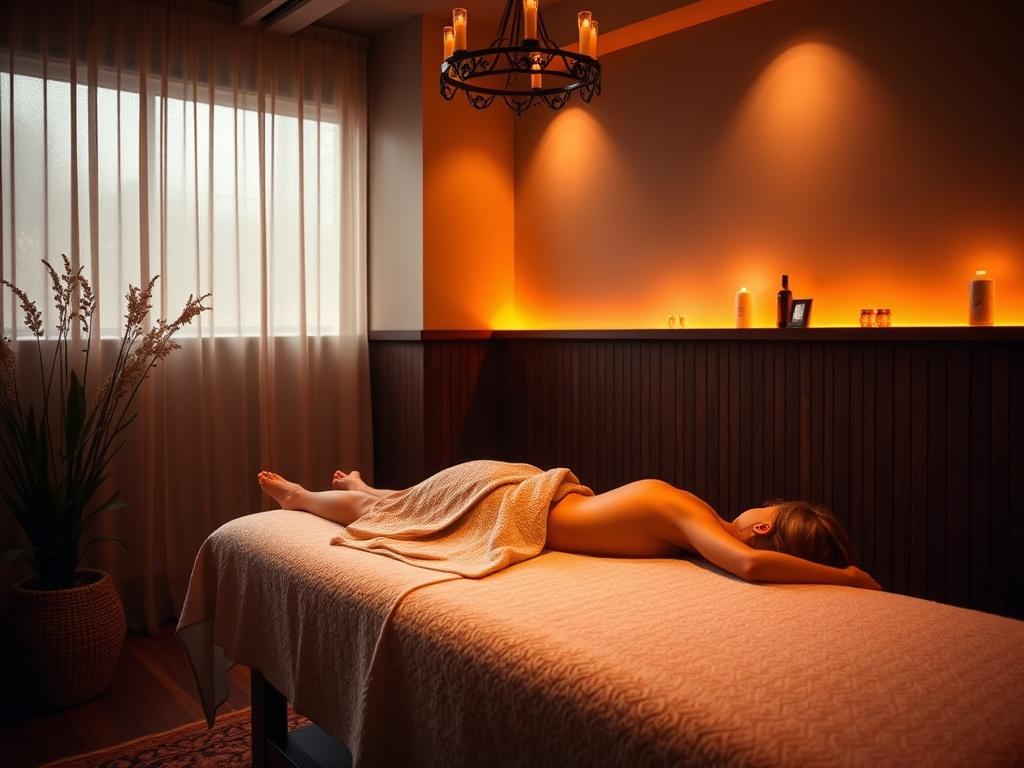
Environment isn’t fluff; it shapes how safe and receptive your body feels. Softer lighting eases visual overstimulation. A comfortable table with proper padding supports joints so muscles can release. The temperature remains steady, with a towel or blanket added if needed. Each of these choices tells your nervous system: nothing urgent is happening; it’s okay to let go.
Sound matters, too. Music, white noise, or even simple quiet can be the difference between fidgeting and settling. Many practitioners keep playlists in the background—not to distract you, but to gently anchor your attention. The right soundtrack is the one that helps you stop counting minutes.
Aromatherapy and Sensory Choices
A light scent can enhance a session, though it should never overwhelm. If aromatherapy is used, you get to choose or decline. Sensitive to fragrance? Say so at intake. Unscented oils and lotions are standard in quality practices. Texture matters as well: the viscosity of the oil, the warmth of the towels, the feel of the linens. Small decisions add up to a larger sense of ease.
Some clients prefer weighted blankets for a grounded feeling; others find them too warm. Some enjoy the hush of a darkened room; others feel safer with a bit more light. None of these are trivial. They’re the knobs and dials of comfort, and a thoughtful practitioner lets you set them.
Techniques You Might Encounter

Expect classic relaxation techniques refined for a slower, more sensory experience: long, gliding strokes to warm tissues; gentle kneading to release common tension spots; broad forearm work to cover large muscle groups; and still holds at the shoulders or base of the skull to invite deeper breaths. Stretches, if used, remain comfortable and within your range. Nothing should feel abrupt.
What you won’t find in an ethical setting are techniques that target intimate areas or cross professional lines. The intent stays firmly on stress reduction, body awareness, and emotional ease. Practitioners who blend mindfulness may cue you to notice your breath or the weight of your body on the table—but only if that approach suits you.
Benefits and Limits
Sensual massage can help downshift a revved-up nervous system. Slow, attentive touch has been associated with reduced perceived stress, improved mood, and better sleep in many people. Muscles that have been braced all day may soften. Shoulders drop. The jaw unclenches. None of this is mystical; it’s a predictable response when the body is given a safe chance to relax.
There are limits. Massage is not a cure for medical conditions and should not replace needed healthcare. It can complement other care plans—supporting stress management, enhancing body awareness, and easing discomfort tied to tension—but it shouldn’t be sold as a fix-all. Clear providers will say so upfront and refer out when something falls beyond their scope.
The Nervous System Angle
Much of the value sits in how the session engages your nervous system. Slow, steady touch can signal safety, which encourages the body to move from a wired, protective state toward rest-and-digest. That shift can reduce perceived pain and heighten a felt sense of well-being, even if your life outside the room hasn’t changed. Think of it as giving your system a rehearsal for calm.
For some, the most meaningful effect is improved interoception—the ability to notice internal signals. When you feel your own cues more clearly, you can respond sooner: take a stretch break, drink water, say no to the extra obligation. Over time, that can matter as much as an hour on the table.
What to Expect Afterward
Post-session, people often report feeling unhurried, lighter, and hydrated (or thirsty, if they forgot water). Mild soreness can happen, especially if you carry a lot of tension or haven’t had bodywork in a while. This usually fades within a day. Gentle movement and water help.
Any emotional reactions—tearfulness, quiet, relief—are normal too. Your nervous system just changed gears. Give yourself space to integrate. If anything feels concerning or persists, let the practitioner know and consult a healthcare provider if needed.
What Actually Happens in the Room: Elements and Purpose
Here’s a quick overview of common elements you’ll see in a professional sensual massage service and why they matter. Small choices build trust, and trust creates the conditions for relaxation.
| Element | What It Looks Like | Why It Matters |
|---|---|---|
| Intake Conversation | Brief chat or form covering goals, preferences, and health history | Sets expectations, identifies limits, and tailors the session safely |
| Draping | Sheet or blanket; only the area being worked on is uncovered | Protects privacy, warmth, and maintains clear boundaries |
| Pressure Adjustments | Check-ins and real-time changes based on your feedback | Prevents discomfort and keeps you in control |
| Environment | Soft lighting, comfortable temperature, clean linens | Signals safety; reduces sensory overload |
| Technique Pace | Slow, flowing strokes; mindful pauses | Supports nervous system downshift and sustained relaxation |
| Aftercare Guidance | Hydration, gentle movement, rest if needed | Helps integrate the benefits and prevents soreness |
Choosing a Reputable Provider
0
Finding the right practitioner is part research, part gut check. Start with credentials. In many regions, massage therapists are licensed or certified and follow clear codes of ethics. Look for training in relaxation and trauma-informed approaches if those are priorities for you. Read reviews for themes: professionalism, respect, responsiveness, and a consistent, safe environment.
Then pay attention to how your early communications feel. Are policies clear? Are boundaries stated plainly? Do you feel invited to share preferences and limits? Those signals predict how the session will go. An honest “no” to a request outside scope is a good sign. Respect often shows up first in small details.
Questions to Ask Before Booking
It helps to keep a short list of questions. These aren’t about interrogating someone; they’re about clarity. A professional will welcome them.
- What licenses or certifications do you hold, and can I verify them?
- How do you define sensual massage in your practice?
- How do you handle draping and client comfort?
- Which areas are included or excluded?
- How do you approach consent and feedback during the session?
- What are your sanitation and hygiene protocols?
- Do you have policies for rescheduling, late arrivals, and refunds?
If anything in the answers feels vague or evasive, reconsider. Clear, consistent policies reduce surprises and misunderstandings. That’s good for both of you.
Red Flags to Avoid
Trust your instincts but also your observations. Some signs point to a mismatch between what’s promised and what’s provided. If you encounter these, pause before booking.
- No license or inability to explain scope of practice
- Ambiguous language about boundaries or what the session includes
- Pressure to book quickly, pay in cash only, or bypass policies
- Space that seems unclean, disorganized, or inconsistent with basic hygiene
- Dismissive responses to your questions about draping or consent
Quality providers don’t hide the details. They highlight them because it sets the tone for a safe, satisfying session.
Preparation and Aftercare
A little preparation goes a long way. Arrive a few minutes early so you’re not tense from rushing. Avoid heavy meals right before the appointment. Bring water for afterward. Wear comfortable clothing. Communicate any recent injuries, skin sensitivities, or areas to avoid.
Afterward, take it easy if you can. Drink water. Take a short walk. If you’re new to massage or particularly stressed, mild soreness or emotional release can occur; both are normal. If you feel unusually dizzy or unwell, reach out to the practitioner and, if needed, a healthcare provider. Clear aftercare instructions should be part of the service, not an afterthought.
Time, Cost, and Tipping: A Practical Look
Pricing varies by location, practitioner experience, and session length. Sensual massage services often mirror general relaxation massage rates. Some providers include aromatherapy or hot towels in the base rate; others offer them as add-ons. Transparency is key: you should know the rate before you book and what it includes.
Tipping customs differ across regions. In some places, gratuity is standard; in others, it’s built into the price or not expected. When in doubt, check the policy. If tipping is customary and you feel well cared for, a typical range is similar to other personal services, adjusted for your budget and local norms.
| Session Length | Typical Duration | Common Price Range (varies by region) | Notes |
|---|---|---|---|
| Short Reset | 30–45 minutes | Lower range for locale | Targeted relaxation for a few key areas |
| Standard Session | 60 minutes | Mid-range for locale | Full-body relaxation focus (time-per-area is modest) |
| Extended Session | 75–90 minutes | Upper mid to premium | Allows slower pacing and more thorough attention |
| Lux Session | 90–120 minutes | Premium | Includes extras like hot towels or aromatherapy |
Couples, At-Home Options, and Classes
Some practitioners offer couples sessions, where two people receive massage simultaneously in the same room from two providers. The appeal is simple: shared calm, with the comfort of a partner nearby. The best versions still follow the same rules: clear boundaries, draping, and professionalism. It’s not a performance; it’s two individual sessions arranged side by side.
At-home services can be convenient, especially if travel or accessibility is a barrier. If a practitioner comes to you, expect a portable table, clean linens, and the same attention to hygiene and boundaries. Check building access, parking, and space for setup. Pets and roommates should be managed to preserve privacy and calm.
Learning Gentle, Respectful Touch at Home
Some providers teach workshops focused on safe, non-clinical touch for partners—think simple back, shoulder, hand, or foot techniques you can use to support each other’s relaxation. These classes emphasize consent, comfort, and non-injury mechanics (like using body weight rather than forcing with small joints). They steer clear of intimate areas and stay within ethical guidelines.
If you practice at home, treat the basics like non-negotiables: ask for preferences, keep communication open, and stop if something feels off. Keep it simple and comfortable, and avoid any areas you haven’t been taught to work safely.
Safety, Contraindications, and Modifications
Massage, including sensual styles, is generally safe for many people, but it’s not ideal for everyone all the time. Certain health conditions call for modifications or deferral. A professional will ask about these and adapt as needed. When in doubt, talk to your healthcare provider in advance and share any guidance with your massage practitioner.
Below is a general overview—not a replacement for medical advice. Providers should adjust techniques, pressure, or positioning to fit the situation. You should feel comfortable disclosing relevant health history; confidentiality is part of professional ethics.
| Situation | Considerations | Common Modifications or Alternatives |
|---|---|---|
| Fever or Acute Infection | Body already stressed; risk of spreading infection | Postpone until recovered |
| Recent Injury or Surgery | Tissues healing; risk of aggravation | Avoid affected area; gentle, non-aggressive work elsewhere only with clearance |
| Skin Conditions | Fragile or irritated skin | Avoid active areas; use hypoallergenic products |
| Blood Clot Risk (e.g., DVT) | Potential for serious complications | Medical clearance required; avoid affected limb |
| Pregnancy | Positioning and pressure considerations | Seek providers trained in prenatal massage; side-lying positioning |
| Osteoporosis | Fragile bones | Gentle pressure; avoid aggressive techniques |
| Cancer Treatment | Variable effects; lymph considerations | Oncology-trained therapists; coordinate with care team |
| Cardiovascular Conditions | Blood pressure or heart concerns | Moderate pace; monitor comfort; avoid extremes |
| Trauma History | Potential for triggers with touch | Trauma-informed approach; explicit consent; slower pace; more control for client |
Ethics and Law: Know the Ground You’re Standing On
Professional massage is regulated in many regions, and those regulations are designed to protect you. Ethical sensual massage services adhere to those laws and to codes of conduct that spell out how practitioners maintain boundaries, protect privacy, and manage client relationships. If a service blurs those lines or frames itself ambiguously, you’re right to ask questions.
Laws differ across borders and sometimes even between cities. What’s standard in one place may be restricted in another. Before booking, glance at your region’s licensing board or ask the provider directly about their credentials and scope. They should be able to answer quickly and clearly—and ideally point you to a registry or website where you can confirm.
Accessibility and Inclusivity
Good bodywork meets people where they are. That means accommodating mobility needs, body diversity, gender diversity, and sensory preferences. If you use mobility aids, ask about table height, transfer assistance (if any), or whether floor work is an option. If you have sensory sensitivities, request adjustments to sound, light, and scent. If you prefer the practitioner to narrate transitions—or prefer silence—say so.
Inclusive spaces handle names and pronouns respectfully, offer non-gendered restrooms where possible, and design their policies to keep all clients safe. If you don’t see your needs reflected in the intake process or policies, it’s fair to ask how they’ll be addressed. A sincere answer often signals a sincere practice.
Frequently Asked Questions
People bring a lot of curiosity to sensual massage. Clear answers help ease nerves and set realistic expectations. Here are straightforward responses to common questions.
- Is sensual massage the same as therapeutic massage? It can be, depending on the practitioner. Many providers simply use slower, more sensory-focused techniques within a fully professional, therapeutic framework.
- What should I wear? Undress to your comfort. Proper draping ensures privacy. If you prefer to remain partially clothed, tell the practitioner; they’ll adapt.
- Will there be conversation during the session? Only if you want it. Many clients prefer quiet, with brief check-ins for pressure or comfort.
- What if I feel emotional? That’s normal. Slow, safe touch can release tension. You can pause, ask for adjustments, or stop the session.
- Can I request music or scent changes? Yes. It’s your session. Comfortable sensory choices support relaxation.
- How often should I book? It depends on your goals and budget. Some choose monthly maintenance; others come in during stressful periods.
- Do I need to tip? Follow local norms and posted policies. If tipping is customary and you’re able, choose an amount that feels right for the care you received.
- What if something feels off? Say so in the moment. You can end a session at any time. Afterward, give feedback to the provider or the clinic and, if needed, report concerns to the relevant board.
Building a Practice of Calm
Massage works best when it becomes part of a wider practice of caring for your body. That might look like scheduling sessions around high-stress weeks, combining massage with gentle movement, or pairing it with habits that help you feel grounded—consistent sleep, time outside, and food that leaves you feeling steady instead of depleted. No single session does it all, but each can contribute to a bigger picture of well-being.
Part of that practice is learning to notice your signals. Tension is information. So is fatigue. Massage can sharpen those signals in a friendly way, so you catch strain earlier and respond before it snowballs. That responsiveness is where the real payoff lives: fewer headaches, a looser neck, more patience at 4 p.m. when you need it most.
Expectations vs. Reality
It’s helpful to keep expectations clear. A sensual massage service isn’t a magic wand. If you sit for ten hours a day and never stretch, one session won’t rewire your posture. But it can give you a reset that makes it easier to make other supportive choices, and sometimes that first step is the hardest one to take alone.
Also, not every practitioner will be your person—and that’s okay. Styles differ. If something doesn’t click, try a different provider or approach. You’re not being picky; you’re being specific about what helps. The right fit turns a pleasant hour into a deeply restorative one.
When to Consider Alternatives or Additions
If your primary concern is injury rehab, chronic pain, or a complex medical condition, you may benefit from a provider with specialized training in those areas. Sensual massage can still support stress relief, but it may need to sit alongside physical therapy, targeted manual therapy, or medical care. Ask for referrals; good practitioners often know colleagues they trust.
For those managing high anxiety, pairing massage with counseling or mindfulness practices can help maintain the gains between sessions. The goal is not to accumulate appointments; it’s to build skills and supports that stick when the hour is over.
Making the Most of Your Session
0
Three simple habits can improve the experience. First, show up a little early and leave a cushion afterward so you’re not sprinting in or racing out. Second, communicate clearly before and during the session; your practitioner can only adapt to information they have. Third, notice what changes afterward—sleep, mood, pain level—and jot it down. Those notes help you tailor future sessions.
Also, bring your questions. If you’re curious about a technique, ask. If a scent or song clashes with your nervous system, say so. If you want more time on your neck and less on your calves, request it. The more accurately the session matches you, the more effective it becomes.
What Providers Wish Clients Knew

Practitioners rarely say this out loud, but they often hope clients will remember: you don’t need to apologize for your body. Not for the way it looks, or the way it stores stress, or the million ways it has kept you going. Massage isn’t a measurement; it’s care. You’re allowed to take up space on the table. You’re allowed to want warmth, or quiet, or a slower pace.
They also wish you’d speak up earlier rather than later. If you feel chilly, ask for another layer. If the face cradle needs adjusting, say so. Adjustments are not burdens; they’re part of the job. Comfort isn’t a luxury—it’s the point.
Case-by-Case Realities
Every person brings a different story into the room. A runner’s calves might need deliberate, rhythmic attention, while a desk worker’s upper back craves broader, slower strokes. Someone processing grief may need a quieter, more contained space. Someone new to touch might prefer shorter sessions until they build trust. The practitioner’s skill lies in noticing and adapting without making the session about themselves.
That adaptability is what separates a generic massage from one that feels truly tailored. You’ll sense it in the pacing, in how transitions are handled, in how your preferences shape the session rather than being brushed aside. When it clicks, the effect is simple: you feel met, not managed.
Putting It All Together
Sensual massage isn’t a trend or a euphemism when practiced ethically; it’s simply an approach that amplifies the sensory aspect of bodywork to support relaxation and presence. The craft lives in careful boundaries, slow attention, and genuine respect for the person on the table. There’s nothing mysterious about it. When done with integrity, it feels like a thoughtful exhale you didn’t know you needed.
If you decide to try it, choose someone qualified and clear. Ask the questions that matter to you. Claim your preferences without apology. Then give yourself an hour where nothing is asked of you except to be exactly where you are. That alone is rare enough to be worth protecting.
Conclusion
A well-run sensual massage service centers comfort, consent, and skilled, unhurried touch. It uses the senses—warmth, rhythm, and quiet—to help your nervous system downshift, while firm ethical boundaries keep the space safe and respectful. Choose a licensed provider, ask clear questions, and set your preferences; the right fit will welcome your voice at every step. Prepare simply, rest afterward, and notice what changes. When this modality is practiced with integrity, it’s not about crossing lines—it’s about drawing them clearly so you can relax inside them, and remembering how it feels to be at ease in your own body.