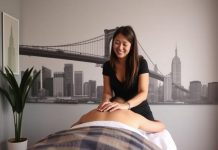

The phrase sensual massage ny gets tossed around a lot, and it can mean different things to different people. Some use it as a shorthand for a massage that feels unhurried and deeply soothing; others imagine something more ambiguous. In New York, clarity matters. If what you want is a safe, ethical, body-affirming session that heightens the senses and quiets the nervous system, you can absolutely find that—with licensed professionals, transparent boundaries, and the right expectations from the start.
Let’s bring the word “sensual” back to its roots: the senses. A sensory-forward massage prioritizes pleasant pressure, warm oil or lotion, slow rhythms, inviting lighting, soft music, maybe a whisper of aromatherapy. It’s not about sexual charge. It’s about allowing your mind and body to exhale in an environment that communicates care and professionalism. That version of sensual massage ny is not only possible in the city—it’s abundant, once you know how to look.
New York can overwhelm even the calmest person. Sirens, scheduling, the crush of a subway platform. A sensory-centered massage is one of the simplest ways to reset. You get an hour—or ninety minutes—where every detail is designed to soften your edges, replenish your attention, and let your muscles remember how to feel heavy again. This guide lays out exactly how to find that experience, what to expect, and how to carry some of that ease back into your week. If you’ve been searching “sensual massage ny” and feeling unsure what’s legit, you’ll have solid footing by the end.
What “Sensual” Really Means (and What It Doesn’t)
0
Sensual means “of the senses.” In massage, that translates to unhurried effleurage (those long, gliding strokes), smooth transitions, steady warmth, soothing scents, considerate draping, and attentive pacing. You feel listened to, even when no one is speaking. Your therapist checks in about pressure and temperature. The room is quiet. The table is set to your preference. The work is gentle or firm, but it never feels careless. That’s the heart of a sensory-forward experience.
What it doesn’t mean: sexual services. Licensed massage therapists in New York are healthcare professionals regulated by the state. They are bound by clear ethical standards and laws that prohibit sexual contact. Reputable clinics and spas will spell this out in their policies. If a listing hints at anything beyond professional massage—or uses coy language to imply more—assume it’s not aligned with the standards you want. True sensual massage ny belongs to the wellness realm, not the adult industry.
Staying on the sensory side doesn’t make the experience less profound. In many cases, it makes it more so. When your nervous system feels safe, the body lets go. Tightness melts without force. Breath deepens on its own. Many people report sleeping better after a session like this, and the benefits often compound over time.
The Legal and Ethical Landscape in New York

New York requires massage therapists to complete an approved education program and pass a state licensing exam. You can look up any practitioner by name and license number through the New York State Education Department’s Office of the Professions. That’s your first safety net. If a provider is cagey about their license or refuses to share it, move on. Licensed professionals have every reason to be transparent.
Professional standards in New York require appropriate draping, informed consent, and clear boundaries. It’s standard for a therapist to leave the room while you undress to your comfort level and get on the table under a sheet or blanket. Only the area being worked on is uncovered, and you can ask for more or less coverage at any time. If anything feels off—too fast, too cold, too intense—say so. A pro adjusts instantly or checks in with you. This is part of why a sensory-centered approach works: consent is woven into every step.
One more detail that helps in New York: booking through clinics, independent LMTs, or hotel spas that post their policies. Solid sites will mention intake forms, cancellation terms, and hygiene practices. They’ll list modalities and session lengths. They’ll show real photos of their space. Clear policies correlate with good care. It’s one of the simplest filters when you’re evaluating options while searching for sensual massage ny.
Styles of Massage That Feel Inherently Sensory
Plenty of modalities can be deeply relaxing, but a few naturally lend themselves to a slow, sensory-forward experience without crossing boundaries. Below are common styles you’ll see offered throughout the city. If your goal is “I want to feel calm and cocooned,” these make a good starting point.
Swedish massage is the classic: long, flowing strokes, mild-to-moderate pressure, and a pace that encourages the nervous system to shift into a rest-and-digest state. Hot stone work adds enveloping warmth that can make tight muscles soften faster. Lomi Lomi, a traditional Hawaiian style, uses broad, rhythmic forearm strokes that feel oceanic. Aromatherapy layers in scent to support mood—lavender for calm, citrus for brightness—though scent should always be optional and gentle.
Thai massage, done clothed on a mat, offers assisted stretches and rocking that many find profoundly grounding. Foot reflexology focuses on the feet and lower legs—great if you’re on your feet all day or simply want a session that stays far from areas that feel vulnerable. Any of these can deliver the sensory satisfaction people often have in mind when they type sensual massage ny into a search bar.
| Modality | Touch Quality | Pressure Range | Typical Add‑Ons | Best For | Notes |
|---|---|---|---|---|---|
| Swedish | Gliding, unhurried | Light to medium | Aromatherapy, warm towels | General relaxation | Ideal entry point for calming, sensory sessions |
| Hot Stone | Deep warmth, melting feel | Light to firm (with stones) | Essential oils, paraffin | Muscle softness without deep pressure | Great in winter; confirm stone temperature preference |
| Lomi Lomi | Broad, rhythmic forearms | Light to medium | Warm oil, music | Flow and continuity | Often feels like waves; ask about draping style |
| Thai (Mat) | Stretching, rocking | Bodyweight-based | Herbal compress (some studios) | Mobility and grounding | Clothed; good if oil massage isn’t your thing |
| Reflexology | Focused, precise | Light to medium | Foot bath | Foot and lower leg relief | Can be a quick 30–45 minute reset |
| Aromatherapy | Gentle, layered sensory cues | Light to medium | Custom scents | Mood support | Always disclose allergies and sensitivities |
Finding the Right Practitioner in NYC
Start with licensure. Search for “Licensed Massage Therapist NYC” or “LMT New York” and confirm credentials on the state site. If you still prefer to type sensual massage ny into your search, add terms like “licensed,” “Swedish,” “hot stone,” or “aromatherapy” to nudge results toward legitimate wellness providers. Reputable listings won’t be coy. They’ll read like healthcare—or hospitality—not like code.
Then look for signs of thoughtful practice: a clean, straightforward website; online booking with intake forms; an address and suite number; real photos of the room and table; hours and a cancellation policy. Reviews should mention professionalism, skill, communication, and how people felt afterward. The tone matters. If reviews feel scripted or focus on everything but the actual bodywork, keep scrolling.
- Ask for the LMT’s license number and specialties.
- Share your goals: “I want slow, relaxing work; no deep tissue today.”
- Disclose injuries, skin sensitivities, or scent preferences.
- Clarify draping and what areas you’d like included or avoided.
- Confirm pricing, length, and whether gratuity is accepted or included.
Red flags include vague addresses, refusal to provide a license number, bait-and-switch pricing, aggressive upselling, or language that hints at anything sexual. A true sensory-forward practice will never flirt with that line. You deserve a clear “yes” to professionalism before you even step into the room.
What to Expect in a Sensory-Focused Session
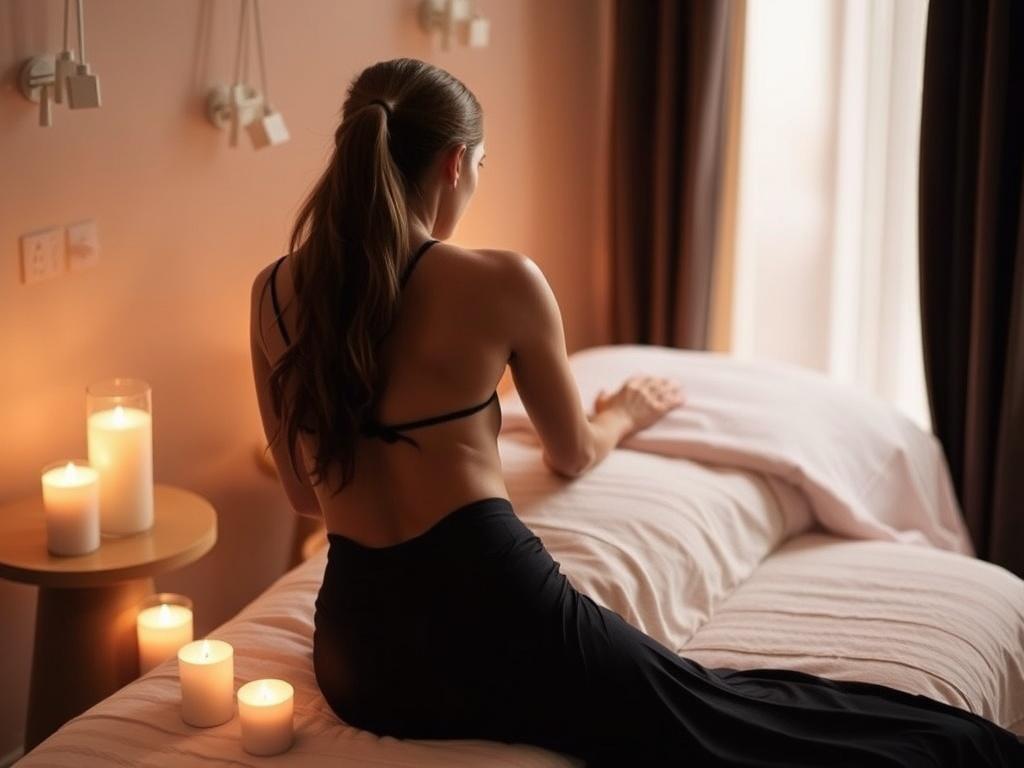
The best experiences start with a conversation, even if it’s brief. You’ll arrive, complete or review your intake, and discuss pressure preferences and any areas of focus. Your therapist will step out so you can settle on the table under the sheet or blanket. Lighting will usually be low. Music, if present, stays gentle and slow.
During the session, expect pacing that lets your nervous system catch up. Good therapists watch your breath, muscle tone, and micro-movements for cues. They’ll check in about pressure or warmth, then give you space to drift. If you prefer silence, say so. If you like a quick nudge when changing sides, ask for that. Consent is ongoing, and your comfort guides the pace. This is where a session truly feels “sensual”—because it respects your sensory boundaries.
- Before: Arrive hydrated, avoid heavy meals, turn your phone off, use the restroom, share any scent sensitivities.
- During: Breathe naturally, speak up about pressure or temperature, adjust your position anytime, ask for extra bolster or blanket if you want more coziness.
- After: Move slowly when getting off the table, sip water if you’re thirsty, and give yourself a buffer before jumping back into the city’s pace.
If it’s your first time working with a particular therapist, you might feel a little vigilant at the start. That’s normal. Two or three sessions with someone who earns your trust can turn vigilance into a deep sense of safety. That’s where the real restoration lives—and it’s exactly what most people are seeking when they hunt for sensual massage ny.
Creating a Sensory Atmosphere at Home (Without Crossing Boundaries)
0
Even the best massage ends, and sometimes your schedule won’t allow a spa visit. You can still cultivate that sensory-nourishing feeling at home. Think of it as dialing down stimulation while turning up comfort. It’s not self-indulgence; it’s nervous system maintenance.
- Lighting: Keep it low and warm. A lamp with a dimmer or a few battery-operated candles makes a difference.
- Sound: Choose slow, instrumental music or nature sounds. Volume just loud enough to notice, not so loud you analyze it.
- Warmth: A throw blanket, a heating pad on low under a towel, or a warm bath beforehand primes muscles to release.
- Scents: If you enjoy them, diffuse a single oil like lavender or bergamot. Avoid strong blends. Unscented is great, too.
- Self-massage: A soft ball for feet and hips, gentle forearm strokes with lotion on calves and arms, light neck stretches.
For partners, keep it simple and non-performative. A 15-minute back-of-shoulders routine can be lovely: one person sits supported; the other uses slow, flat palms from shoulder tops down to mid-back, repeating at a steady pace, then small circles beside the spine (never on it), finishing with gentle squeezes at the shoulders. No need to fix anything. The point is warmth, rhythm, and listening. If either of you feels unsure, pause and check in. This stays well within the lane of supportive, nonsexual touch and echoes the spirit of a sensory-forward approach to relaxation.
NYC Neighborhood Vibes and What You’ll Often Find
New York is many massage cities in one. Hotel spas, clinical practices, neighborhood studios, and solo practitioners all coexist. Geography influences ambiance and price—not as a rule, but as a tendency. Use this as a rough orientation, not a directory.
| Area | Typical Setting | Ambiance | Approx. 60‑min Rate | Notes |
|---|---|---|---|---|
| Midtown | Hotel spas, corporate-friendly clinics | Polished, discreet | $160–$300+ | Convenient for commuters; book ahead in peak hours |
| SoHo/Tribeca | Boutique studios, design-forward spaces | Minimal, curated | $150–$260 | Often strong on aromatherapy and hot stone options |
| Brooklyn (Williamsburg, Park Slope) | Independent LMTs, small studios | Cozy, neighborhood | $120–$200 | Great for slower, personalized sessions |
| Upper East/West Side | Clinics, membership chains | Efficient, professional | $110–$190 | Memberships can reduce cost if you go monthly |
| Queens (Astoria, Long Island City) | Community studios, reflexology spots | Friendly, unpretentious | $80–$160 | Excellent foot massage and combo sessions |
| Harlem/Washington Heights | Independent practitioners | Warm, restorative | $100–$170 | Good value; look for LMT credentials |
Rates vary with experience, amenities, and session length. Some places add service fees; some decline tips and fold everything into the rate. Ask before you book so you can relax about the numbers and focus on the experience. It’s easier to enjoy that sensual massage ny vibe when you’re not doing math at checkout.
Questions to Ask Before You Book
A few precise questions can save you time and ensure your session aligns with the sensory experience you want. Keep the tone straightforward; professionals appreciate clarity.
- Are you a New York State licensed massage therapist? What is your license number?
- Do you offer Swedish, hot stone, or aromatherapy sessions with a slow, relaxing pace?
- How do you approach draping and consent check-ins during the session?
- Can I request unscented lotion or specify essential oils?
- What pressure range do you typically work with? Can you stay light-to-medium?
- What’s the total cost, and is gratuity customary or included?
- What’s your cancellation policy, and how far in advance should I book?
Feel free to add your own specifics: “I’m scent-sensitive,” “I prefer silence,” “I get cold easily,” or “Please avoid my lower back today.” The more a therapist knows, the more they can calibrate. This is central to the feel of sensual massage ny: the session adapts to you.
For Couples: Shared Calm Without Mixed Signals
A couples session in New York can be a stellar way to celebrate, reconnect, or simply step out of the rush for an hour. Look for studios that explicitly offer couples rooms and list relaxation-focused modalities. Decide beforehand if you want to talk or keep silence; both are fine. Ask for synchronized pacing if that appeals, and request the same add-ons—like hot stones—so the experiences feel parallel.
Boundaries matter here too. Let your therapists handle the structure while you and your partner focus on breathing and receiving. If you’re planning a whole evening, give yourselves a buffer afterward. A quiet dinner, a walk, a cab home—whatever matches the relaxed state you created together. And if you searched “sensual massage ny for couples” to plan this, the same guardrails apply: licensed professionals, clear communication, and sessions that stay squarely in the wellness lane.
Aftercare: Keeping the Glow
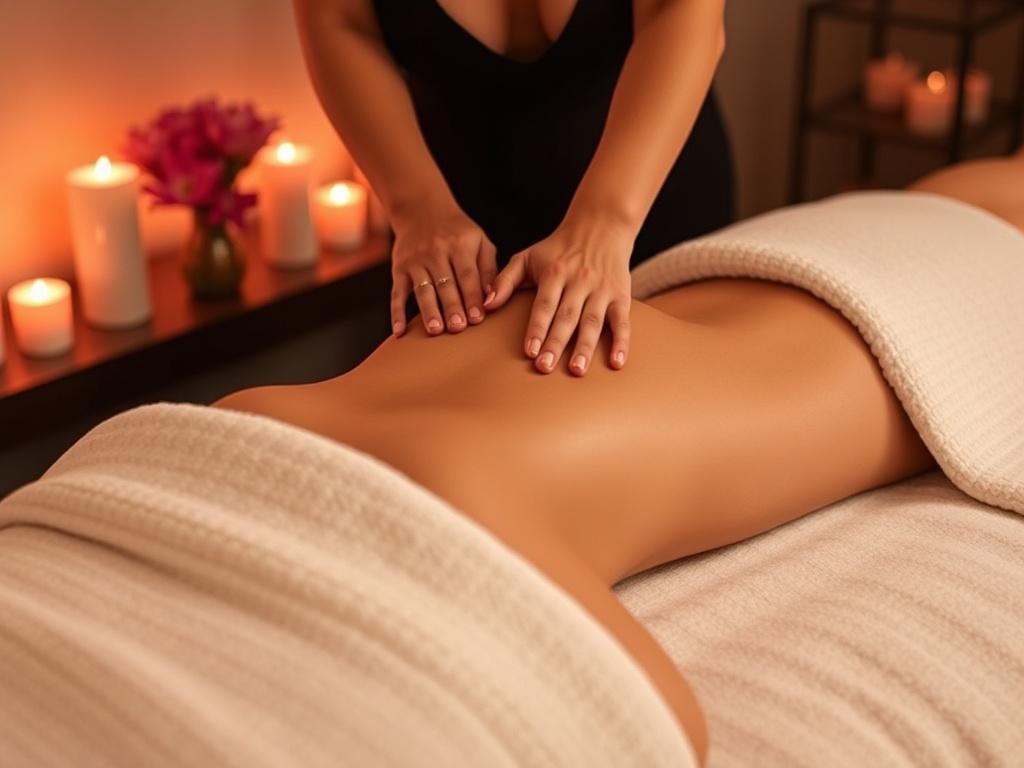
There’s a myth that you must guzzle water after massage to “flush toxins.” Your body already knows how to manage waste. Hydrate to thirst, avoid heavy exertion for a few hours if you feel floaty, and take a brief walk to reorient. Gentle movement the next day helps integrate the changes in your muscles and fascia. Sleep usually comes easier—let it.
If you felt especially safe and restful, note what helped. Was it the temperature? The music? The amount of pressure? Share that feedback next time. The more precisely you describe what worked, the more tailored your sessions become. Over time, even one visit a month can shift your baseline toward calm, which might be the most practical definition of sensual massage ny in everyday life.
If You Have Trauma, Chronic Pain, or Sensory Sensitivities
A sensory-forward massage can be especially helpful if your system runs hot from stress, pain, or past experiences. Look for therapists who mention trauma-informed care, nervous system regulation, or pain science education. They’ll be more likely to pace slowly, offer choice, and check in frequently. You can ask for a brief “no-touch” start—simply breathing and orienting to the room—before any hands-on work begins.
Be specific about sensory preferences. Dimmer lights? No music? Extra weight from a blanket? Stronger draping? All fair requests. If your skin is sensitive or you’re neurodivergent, describe textures and pressures you enjoy or dislike. A good therapist treats your feedback like a map, not an obstacle. That’s where trust grows, and it’s the ground under any meaningful version of sensual massage ny.
Cost, Timing, and Tipping in New York
Expect to see a broad range of rates across the city. A one-hour session with an independent LMT might run $100–$160. Boutique studios and hotel spas often charge $160–$300 or more, reflecting amenities, overhead, and extras like steam rooms or lounges. Chains with memberships may offer lower per-session costs if you go regularly, with the tradeoff of monthly commitments.
As for tipping, many spas expect 18–22% on top of the service price unless otherwise stated. Some clinics decline tips and price accordingly. It’s perfectly reasonable to ask: “Is gratuity customary, and is it included?” Booking ahead helps—weekday afternoons are quieter, while weekends and post-work slots vanish fast. Give yourself travel time. Few things are less relaxing than sprinting down a Manhattan block to make a start time for what’s supposed to be a calming, sensual massage ny experience.
Glossary: Terms You’ll See on NYC Menus
Effleurage: Long, gliding strokes that cue relaxation. Petrissage: Kneading and lifting of muscle tissue, often slower and focused. Draping: The practice of covering the body with a sheet or blanket and uncovering only the area being worked. Bolster: A cushion used to support knees, ankles, or hips for comfort. Contraindication: A reason to modify or postpone massage (e.g., fever, acute injury); share health changes with your therapist. LMT: Licensed Massage Therapist. Bodywork: An umbrella term that can include massage and other touch-based modalities such as shiatsu or Reiki. Aromatherapy: Use of essential oils to support mood; optional and adjustable.
If you encounter terms that feel vague or grandiose without explanation, ask what they mean in practice. A therapist who can describe their touch, pacing, and session flow in concrete terms is more likely to deliver the grounded, sensory care you want.
Making the Most of Each Session
Think of each visit as part of a long relationship with your nervous system. Go in with one or two simple goals. “I want to feel warm and heavy” is a goal. “I want to stop thinking for a while” is another. Share these in plain language. Then let the therapist work. Many people discover that lighter, slower work lands deeper than they expected. Others feel best with medium pressure that never rushes. Either is valid.
Consistency helps. A monthly booking with someone who has earned your trust beats an annual scramble. Your therapist will learn your patterns—the shoulder that tightens first, the spots that melt with heat, the tempo that quiets your breath. That compound effect is the quiet magic many people intend when they type sensual massage ny and hope for something more than a one-off treat.
A Quick, Practical Checklist

- License confirmed via NYS Office of the Professions.
- Clear website with policies, pricing, and real photos.
- Modality menu includes Swedish, hot stone, or other slow, sensory options.
- Intake form and consent process are standard.
- Aromatherapy optional with unscented products available.
- Room temperature adjustable; extra blanket on request.
- Communication: you feel listened to before you’re on the table.
If you can check these boxes, you’re on solid ground. You’ll step into a space that respects you, which is the real foundation of any relaxing, sensual massage ny session in New York.
Conclusion
0
In a city that runs on adrenaline, a sensory-centered massage is a small act of rebellion. Keep the word “sensual” anchored to the senses—warmth, rhythm, scent, safety—and the path becomes simple: work with licensed professionals, ask for slow and unhurried modalities, communicate what you like, and insist on clear boundaries. Do that, and the experience you were hoping for when you searched sensual massage ny stops being a gamble and becomes a dependable ritual: an hour or two where the noise fades, your body feels heard, and you leave a little more human than you arrived.