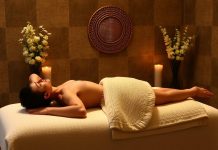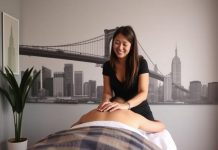

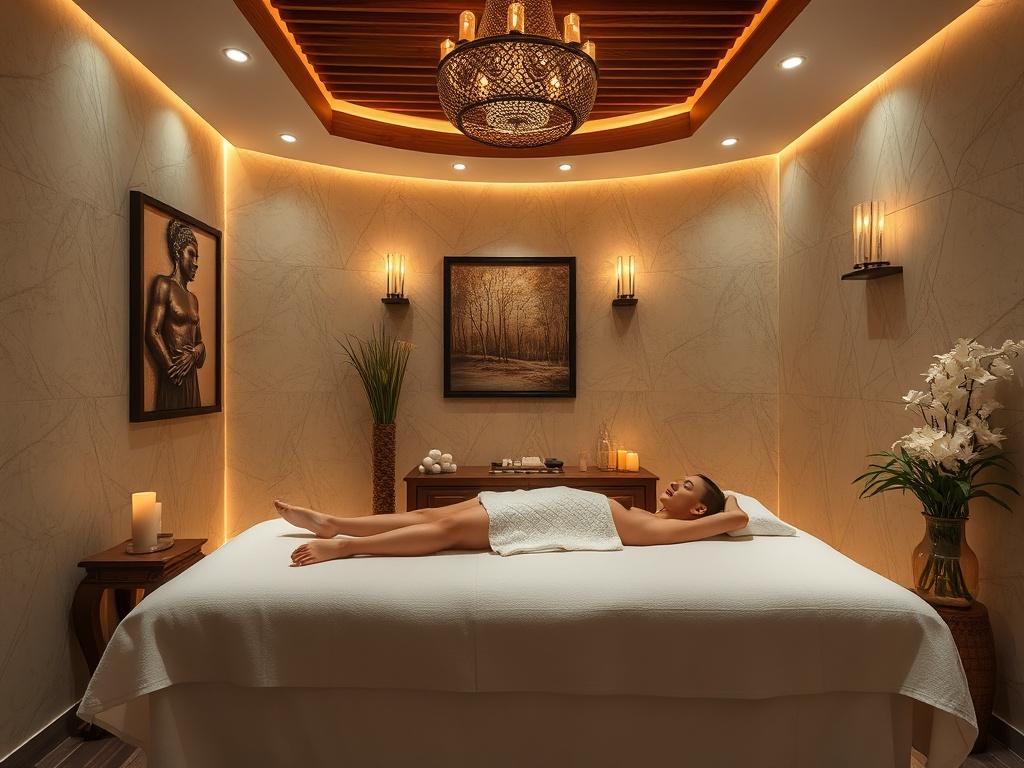
A room meant for sensual massage carries a different kind of silence. It doesn’t shout luxury. It whispers welcome. The first breath tells you you’re safe—soft light, a clean, grounded scent, fresh linen that gives to the touch. Nothing flashy, nothing crowded. Just a space that understands why you came: to slow down and be cared for, without hurry, without performance. Designing that kind of room isn’t about buying expensive things. It’s about the choreography of comfort, trust, and the senses working together.
Sensual doesn’t mean explicit. It means attentive. It means the environment is tuned to the human body and mind, with warmth and finesse. The room listens, so tension eases without being told. If you’re building a sensual massage room at home for your partner, or outfitting a professional studio, the same principles apply: thoughtful light, honest cleanliness, soft textures, healthy air, calm sound, and clear agreements about boundaries. Small changes add up to a space that feels skillful and genuine the moment someone steps inside.
What follows is a practical, grounded guide to shaping that experience. You’ll find layout ideas, sensory design, safety and hygiene, aromatherapy blends, playlists that don’t distract, furniture choices, and the subtle rituals that anchor a session. Take what fits your space and budget, leave what doesn’t, and keep refining. Rooms evolve as you do.
The Heart of a Sensual Massage Room
Before you pick paint colors or samples of linen, set an intention for the room. Comfort and consent lead everything else. The goal is to create an environment where touch feels welcome, not overwhelming; where bodies relax because they’re seen and respected; and where the senses are nourished but never bombarded. The design carries that intention when words aren’t needed. When a room holds someone with care, they can soften into it. That’s the bar.
Think of the space as a partner in the session. It does work you can’t do with your hands—reassuring, warming, quieting, cueing the nervous system to shift out of fight-or-flight. Each sensory channel gets a gentle, consistent message: you’re safe, you’re warm, you can let go. With that as your anchor, every decision becomes easier.
Choosing and Shaping the Space
You don’t need a huge room to do this well. A small, den-like space can feel more intimate than a cavernous studio. What matters is flow: a clear path from the door to a seating spot, to a storage nook, to the massage area—no tight squeezes, no harsh corners waiting to catch a shoulder. If you can place the table or mat so the person lies away from the door, even better. People relax when they aren’t staring at an exit.
Pay attention to sound. Street noise bleeds through old windows; shared walls pass conversation. Rugs, heavy curtains, bookshelves, and upholstered furniture absorb echoes. A white noise machine or air purifier near the door helps mask hallway sounds. The quieter the perimeter, the less effort the body spends tuning it out.
Zoning the Room
Divide the space mentally into zones, even if the room is small. You’ll keep the energy tidy and movement graceful.
- Arrival zone: a place to sit, remove shoes, and breathe for a moment. A small bench, soft light, tissues, and water within reach.
- Treatment zone: the table or mat, with space to move evenly on both sides. Oils and linens within arm’s reach, never across the room.
- Support zone: discreet storage for clean linens, a covered hamper for used ones, a towel warmer, and a small sink if you’re lucky.
Clear zones keep you from walking laps during a session. Fewer interruptions, fewer cold drafts, fewer excuses for breaking presence.
Working With the Senses
Design for five senses, with a light hand. The room should be a chorus, not a solo. If one element demands attention—overpowering scent, neon lights, booming music—it yanks the nervous system back to alertness. Your aim is cohesion.
Light: Warm, Dim, Directional
Most rooms start too bright and too cool. Aim for warm light in the 2200–3000K range. Use dimmers so you can ease the light down as the session deepens. Mix sources: an overhead fixture on a dimmer for setup, a pair of low lamps for glow, and a discreet reading light for intake forms. If you love candles, use them as accents, not the only source—place them in stable holders on heat-proof trays, away from drapes and traffic paths.
Think about direction. Avoid shining light straight into eyes when someone is face up. Indirect light that bounces off a wall gives soft illumination without glare. Colored bulbs can be tempting; if you use them, keep it subtle. Amber beats purple 99% of the time.
Sound: Quiet That Supports, Not Silence That Pressures
Absolute silence can feel exposed. A gentle bed of sound—soft instrumental music, rain, distant ocean—gives the mind a place to rest. Keep volume low enough to relax but not so low it flickers in and out with each track. Avoid lyrics; the language centers of the brain will pull focus.
Place speakers away from the table’s head to prevent direct sound into the ears. If you share walls, add a white noise machine near the door or a hallway-facing wall. That steady hush hides the seams of the building.
Scent: One Quiet Note
Use fragrance sparingly. A room should not announce itself from the hallway. Diffusers (ultrasonic or nebulizing) handle ambient scent; warm a small amount of scented oil in your hands only if you know your partner or client likes it. Keep an unscented base oil ready at all times. Always ask about sensitivities, migraines, and allergies during intake. When in doubt, choose barely-there over bold.
Touch: Layers and Temperature
The body listens to texture: the crispness of a cotton sheet, the lift of a wool throw, the weight of a blanket when it’s time to settle. Layer the table with a waterproof barrier, a soft pad, and breathable top linens. Keep a bolster for knees or ankles. Use a heated table pad or a radiant space heater to hold warmth; a cold room can undo a half hour of careful work in seconds.
Taste: Small, Thoughtful Gestures
You don’t need snacks. You do need water. Offer it in a real glass if possible. Herbal tea after the session—peppermint for freshness, chamomile for calm—signals a gentle reentry. Keep it simple and caffeine-free unless asked.
Furniture and Equipment That Earn Their Keep
Buy durable items that touch skin, and save on decor you can upgrade later. When you choose well, the room feels quiet even before you turn on the music.
Massage Table or Floor Mat?
A table works for most people and spaces. Look for sturdy construction with a working weight rating above 450 lb, a face cradle that adjusts smoothly, and a width that fits your frame—28 to 32 inches is common. A 2–3 inch foam pad is comfortable for most. If your back or shoulders complain after sessions, check table height: with your arms at your sides, your knuckles should just brush the table surface.
Mats suit floor-based styles and can feel grounded and intimate. Choose a mat thick enough to cushion knees and hips, ideally 2–3 inches of firm foam or a layered futon. Use knee pads for your own comfort, and clear space around the mat so you can circle easily.
Support Pieces That Smooth the Edges
A rolling cart keeps oils, towels, and wipes within reach. A covered hamper keeps used linens out of sight and smell. A towel warmer earns its footprint on a cold day. If you add a space heater, pick one with tip-over shutoff and a quiet fan. Place it at least a meter from flammable items and never leave it running unattended.
Fabrics, Fillings, and Finishes
Linens work hardest, so choose fibers that breathe and wash clean. Avoid fabrics that trap oil or snag easily. Natural textures calm the eye and feel honest against skin.
| Material | Best Use | Pros | Cons | Care Notes |
|---|---|---|---|---|
| Cotton (percale) | Sheets, face cradle covers | Breathable, crisp, durable | Wrinkles, can feel cool at first | Wash hot; pre-treat oil stains |
| Cotton (flannel) | Cool rooms, winter bedding | Warm, cozy, quiet | Holds oil, pills over time | Use enzyme wash periodically |
| Linen | Top sheet, light blanket | Breathes well, gets softer with use | Pricey, textured feel isn’t for all | Line dry when possible |
| Bamboo/Viscose | Sheets | Soft, drapey, cool to the touch | Quality varies, can snag | Gentle cycle, low heat |
| Microfiber | Backup sheets | Wrinkle-resistant, inexpensive | Less breathable, static | Wash warm, avoid high heat |
| Wool throw | Top layer for warmth | Regulates temperature, weighty calm | Some find it itchy | Dry clean or cool hand wash |
For finishes, choose low-VOC paints in matte or eggshell so walls don’t glare. Natural wood warms a room instantly. If you love color, keep it soft: moss, sand, dusk blue, aubergine—tones that hold light rather than reflect it. Bold accents can live in cushions or art you can swap out seasonally.
Temperature, Air, and Comfort
Warmth is non-negotiable. People relax faster when they stop guarding against cold. Most rooms feel good between 75–78°F (24–26°C) when the body is lightly draped. Add a heated pad and a blanket so the person can fine-tune. Humidity around 40–50% keeps air comfortable without feeling swampy; dry air makes noses tickle and skin itch. Ventilate between sessions to clear scent and CO2; an open window and a HEPA purifier do more than most sprays ever will.
Lighting Design That Disappears
Make light adjustable in zones. Dim the main area for the table or mat. Keep a brighter task light by the sink or cart for quick checks without flooding the room. If you use candles, treat them like tiny fireplaces: stable bases, away from textiles, wick trimmed to prevent flicker and soot, and never left alone. LED candles have improved dramatically if you want the glow without the risk.
Hygiene, Safety, and All the Unsexy Essentials
Cleanliness sets trust. It starts with fresh linens for every session and surfaces you can actually sanitize. Don’t let aesthetics trump hygiene: rough wood that traps oil, shag rugs that hold scent, and porous decor look cozy but create headaches later. Smooth, wipeable cabinets and sealed floors are your friends.
Laundry Workflow
Oils travel. Protect your table with a waterproof barrier and use face cradle covers. Store used linens in a lidded, fire-safe container; oily fabrics can self-heat if bunched while damp. Wash hot (at least 140°F/60°C) with a fragrance-free detergent. Enzyme boosters help break down oil; skip fabric softener, which coats fibers and reduces absorbency. Dry thoroughly before storage.
Surface Sanitizing
Use an appropriate disinfectant for nonporous surfaces and respect the contact time on the label. Wipe down the face cradle, table surface (or mat cover), door handles, and faucet handles after each session. Wash your hands before and after sessions, and keep a small sink area neat with pump soap and single-use towels or a clean cloth per person.
Fire and Device Safety
Place candles on nonflammable trays. Keep cords from heaters and warmers clear of walk paths. Use UL-listed devices and don’t overload outlets. If you use incense, ventilate well and verify no smoke sensitivities first.
Ergonomics and Accessibility
If your body hurts, your touch changes. Protect your joints by setting the table height correctly and using your body weight rather than just muscle strength. Consider anti-fatigue mats where you stand most. For floor work, use knee pads and vary your stance.
Make the room friendly to a wide range of bodies. Add sturdy handholds near step-up points if your table is tall. Keep pathways at least 36 inches wide. If possible, choose a table with a higher working weight and add width extenders for broader shoulders. Comfort belongs to everyone.
Privacy, Consent, and Boundaries
Silence helps, but privacy is more than quiet. A solid door that closes fully, a “do not disturb” sign, and window coverings that block sightlines all matter. So does clear conversation. In a sensual massage room, consent must be explicit, informed, and ongoing. Spell out what the session includes and what it does not. Agree on draping, areas to avoid, and how to communicate any change in comfort. A simple check-in like “Pressure okay?” keeps things honest without breaking the mood.
Intake and Health Considerations
Ask about injuries, conditions, allergies, and preferences. Note any contraindications: fever, contagious skin issues, uncontrolled hypertension, deep vein thrombosis, or recent surgery may require postponement or medical clearance. Pregnancy calls for specific positioning and pressure adjustments. Keep a calm, professional tone; thoroughness builds trust.
Flow and Ritual
Ritual turns a room into a sanctuary. It tells the nervous system what comes next. This doesn’t mean sage clouds or elaborate ceremonies. It means the same gentle rhythm every time: welcome, settle, warm, begin, deepen, soften, close.
Before the Session
Set the room ten minutes early. Lights low, temperature steady, oil warmed, playlist queued. Put your phone in another room. When the person arrives, offer water and a moment to sit. A brief foot bath or a warm towel on the hands can mark the shift from outside to inside faster than any speech.
During the Session
Start with stillness. A hand resting on the back, a breath, a quiet “ready?” keeps things grounded. Move around the table with clear transitions; avoid abrupt changes in pressure or temperature. Keep draping secure and respectful. If you adjust lights or music, do it quietly and with intention, not as an afterthought.
Aftercare
Give a warmed towel to remove excess oil. Offer water or tea and a minute to sit before standing. Ask how the body feels and note anything to adjust next time. The way someone leaves the room is part of the session—don’t rush that doorway moment.
Soundtrack Choices That Age Well
Pick music that dissolves into the background: sparse piano, soft strings, hang drum, field recordings. Keep tempo slow (around 60–70 BPM) so breathing has room. Build a playlist that outlasts your longest session by at least 20 minutes, and disable notifications on the device. If you work regularly, rotate playlists so you stay present; when the music is too familiar, attention drifts.
Aromatherapy Blends and Dilutions
Essential oils can be lovely, but less is always more. Keep blends simple and safe. Patch test when in doubt, and avoid known contraindications during pregnancy or for those with asthma or epilepsy. For topical use, dilute in a carrier oil like jojoba, fractionated coconut, or sweet almond.
| Intention | Diffuser (per 100 ml water) | Topical (2 tbsp/30 ml carrier) | Notes |
|---|---|---|---|
| Calm and Ground | 3 drops lavender, 2 cedarwood, 1 vetiver | 6–10 drops total: 4 lavender, 2 cedarwood | Vetiver is strong; go light |
| Warm and Cozy | 3 sweet orange, 2 sandalwood | 6–10 drops total: 3 orange, 2 sandalwood | Citrus can be phototoxic in some forms; sweet orange generally mild |
| Bright and Clear | 2 bergamot (BF), 2 frankincense, 1 lavender | 6–10 drops total: 3 frankincense, 2 lavender | Use bergapten-free (BF) bergamot for safety |
| Floral Whisper | 2 ylang-ylang, 2 geranium, 1 cedarwood | 6–10 drops total: 2 ylang-ylang, 2 geranium | Ylang-ylang can be heady; keep light |
Topical dilution guide: 1% = about 6 drops per 30 ml carrier; 2% = about 12 drops. When working near the face or on sensitive skin, use 1% or less. Offer a fragrance-free option by default.
Budget, Standard, and Luxury Setups
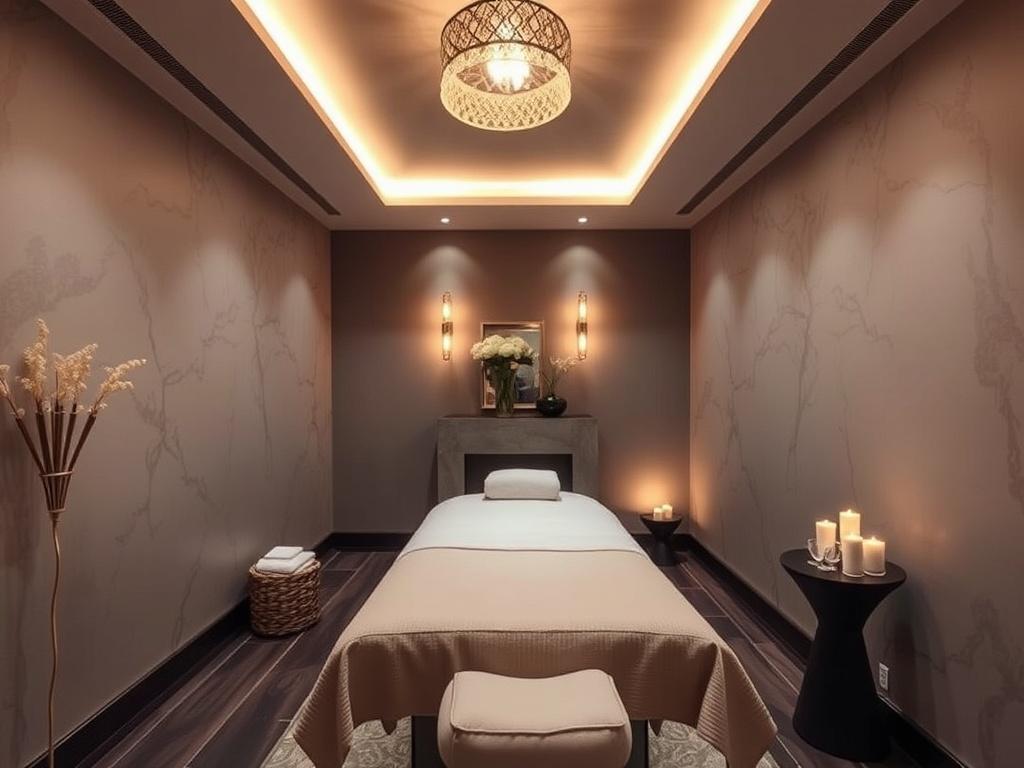
You can build a beautiful sensual massage room without breaking the bank. Focus spending where it touches skin and shapes comfort: the table or mat, linens, and light.
| Component | Budget | Standard | Luxury |
|---|---|---|---|
| Table/Mat | Portable table with 2″ foam | Sturdy table, 3″ foam, adjustable cradle | High-weight table, heated pad, width extenders |
| Linens | 2 cotton sheet sets, microfiber backup | 4 cotton sets (percale + flannel) | Premium cotton/linen rotation |
| Lighting | Lamps with warm LED bulbs | Dimmers + layered lamps | Smart scenes, architectural sconces |
| Sound | Bluetooth speaker | Stereo pair, white noise machine | In-wall speakers, acoustic panels |
| Climate | Space heater, extra blanket | Heated pad, humidifier | Quiet HVAC, radiant floor |
| Aroma | Single-note oil, small diffuser | Quality diffuser, 2–3 blends | Nebulizer, curated essential oil set |
| Storage | Rolling cart, covered hamper | Closed cabinet, towel warmer | Built-ins, concealed laundry |
Simple DIY Touches
Not everything needs a catalog. A few smart hacks give you comfort for pennies.
- Oil caddy: a wooden tray with non-slip liner and labeled pump bottles.
- Table protector: a fitted waterproof mattress cover under your sheet set.
- Weighted calm: a cotton throw with stitched pockets and rice filling for gentle pressure.
- Soft light: LED puck lights under shelves for a halo without fixtures.
Keep DIY items safe and washable. Anything touching skin should be easy to clean or cover with a sheet.
Maintenance Rhythm
A sensual massage room stays welcoming because it’s cared for. Build small routines so nothing piles up.
- Daily: change linens, sanitize high-touch surfaces, empty trash, reset lights and music, open windows between sessions.
- Weekly: wash blankets and covers, deep clean floors and baseboards, decalcify diffusers, launder bolster covers.
- Monthly: check device cords and plugs, launder rarely used linens, rotate playlists, review supplies.
- Seasonal: shampoo rugs, touch up paint scuffs, replace dim bulbs, reassess warmth needs.
Common Mistakes to Avoid
- Too much scent. If you smell it from the hallway, it’s too strong.
- Blue, bright light. It wakes the brain. Warm it up and dim it down.
- Cluttered surfaces. Visual noise equals mental noise; put things away.
- Loud machines. Heaters and purifiers should be whisper-quiet.
- Cold tables. Warmth matters more than almost anything else.
- Scratchy or synthetic sheets. Breathable fabrics keep the body calm.
- Reaching across the room mid-session. Keep essentials within a step.
- Vague boundaries. Spell out draping, preferences, and consent clearly.
Three Real-World Scenarios
Rooms come in all shapes. Here’s how to make the most of three common setups.
Small Apartment Corner
Use a folding screen to define the massage area and block visual clutter. A portable table stores under a bed or against a wall. A rolling cart acts as your mini-cabinet; wheel it out, tuck it away. Soundproof with heavy curtains and a thick rug. A diffuser with a single-note oil keeps scent gentle, and a compact space heater warms the zone you need without cooking the whole apartment.
Dedicated Spare Room
Install dimmers and add soft wall sconces. Mount hooks behind the door for clothing and robes. A closed cabinet hides linens and bottles so the room isn’t a supply closet in disguise. If feasible, paint in a low-sheen, warm neutral and hang a single piece of art that calms rather than competes. Nothing beats walking into a room that already feels serene before any music plays.
Mobile Setup
Pack a sturdy portable table, two sheet sets, a small speaker, a compact diffuser, a pump bottle of unscented oil, a weighted throw, and a clip-on light with a warm bulb. Keep a checklist on the inside of your case lid. Arrive early to scout outlets, drafts, and the best spot for privacy. A white noise app on a tablet near the door can save you in echoey spaces.
Inclusivity and Care for Every Body
Design choices communicate who’s welcome. Aim for gender-neutral colors and imagery. Offer fragrance-free sessions by default. Stock a wider face cradle and table width extenders if you can. Keep a step stool handy if your table is high. Ask for pronouns on intake forms and use them. Your room should tell people, without words, that their body will be met with respect and skill.
Tech That Helps Without Taking Over
Smart plugs and bulbs can put your whole room on a single “start session” scene—lights to 30%, heater on, playlist rolling. An NFC tag by the cart can cue the playlist with a phone tap. A HEPA purifier doubles as white noise and improves air quality. A small CO2 monitor gives feedback on ventilation; if levels creep up, crack the window between sessions.
Home Couples vs. Professional Studios
For couples, keep the gear simple: a supportive mat or table, two sets of breathable sheets, a small diffuser, and a lamp you can dim. Put phones on airplane mode. Agree on boundaries and check-ins before you begin so you don’t negotiate midstream. The most romantic rooms are the ones that make it easy to relax without fuss.
Professionals have extra layers: licensing and insurance where required, clear policies, secure storage for client records, and strict hygiene protocols. Use intake forms, get informed consent in writing, and stay within your scope of practice. A sensual massage room can still be a professional one—clean, ethical, and calm.
Eco-Friendly and Sustainable Choices
Choose durable linens so you buy less often. Look for organic cotton or responsibly produced fibers. Refill carrier oils from bulk containers and store them in glass away from heat. Prefer beeswax or soy candles over paraffin if you use real flame. Use washable cleaning cloths when possible and fragrance-free detergents that rinse clean. Most importantly, ventilate—fresh air beats any room spray ever made.
Quick Setup: From Empty Room to Session-Ready in 60 Minutes
- Minute 0–10: Clear floors and surfaces. Open a window for five minutes.
- Minute 10–20: Place table/mat, set correct height, add barrier, pad, and linens.
- Minute 20–30: Arrange lighting: lamps in corners, test dimmers, confirm no glare.
- Minute 30–40: Stock cart with oils, wipes, tissues, face cradle covers, towels.
- Minute 40–45: Start playlist at low volume. Set diffuser with a light blend.
- Minute 45–50: Warm the room: heated pad on, space heater positioned safely.
- Minute 50–55: Place a chair, water carafe, and a small tray with glasses.
- Minute 55–60: Final sweep: remove visual clutter, check temperature, turn phone off.
Troubleshooting: When the Room Doesn’t Feel Right
Sometimes the room looks fine and still feels off. Trust that instinct and diagnose methodically. Sit on the table at eye level with your guest; what do you see? Harsh bulbs? Messy wires? Unsettling reflections? Walk through the space at a slow pace and listen for hums, rattles, or traffic noise. Take a single element away—turn off the diffuser, change the playlist, raise the light one notch—and watch for a shift. Small tweaks often fix big feelings.
Advanced Touches That Deepen Ease
Weighted blankets can quiet the nervous system when used briefly at the start. A gentle eye pillow during face-up work helps some people find stillness. Offer a choice of bolster height for knees or ankles. Keep a small notebook of what each person prefers and revisit it. Familiarity builds faster when the room remembers them.
Storage That Stays Invisible
Closed storage calms the eye. Label shelves inside cabinets so you don’t rummage mid-session. Hide backup detergents and bulk oils in a closet, not behind the door. Keep spare linens rolled, not just folded; they pull out without disturbing the stack. A lidded basket near the door catches phones and keys to keep pockets empty and minds off buzzing screens.
Little Things, Big Difference
- Face cradle covers that don’t smell like detergent—rinse thoroughly.
- Room temperature that doesn’t swing when the heater clicks off—preheat the room.
- Glasses that don’t clink loudly when set down—use coasters or silicone sleeves.
- Soft-closing cabinet hinges so nothing slams.
- A small, stable step stool for easy table access.
Ethics in Practice
Ethics are part of the design. A sensual massage room should never put someone in a position to guess what’s allowed or expected. Keep your policies in writing, display your credentials if you’re a professional, and offer clear, respectful language for opting in and out of anything. Boundaries keep the space safe for both the giver and the receiver, and they heighten relaxation because everyone knows the frame.
Seasonal Shifts
Update the room with the weather. In winter, add flannel sheets and a heavier throw; keep a humidifier running to counter dry air. In summer, switch to percale cotton, lighten the blanket, and favor scents like mint or citrus. The body notices when a room syncs with the season; it’s a quiet form of hospitality.
Closing the Loop: Reset Between Sessions
When a session ends, close it well. Gather used linens into a lidded bin, wipe surfaces, air out the room, and reset lights and music to the top of your playlist. Restock anything you touched, from face cradle covers to tissues. The next person shouldn’t sense the previous presence except as a lingering calm in the walls.
Conclusion
A sensual massage room is built from quiet decisions: softer light, warmer air, fabric that breathes, clear consent, clean surfaces, music that hums like a tide. None of it is complicated on its own; together, it becomes an invitation that lets the body feel safe enough to soften. Start small—warm the table, lower the lights, clear the clutter—and keep listening to what the room and your guests tell you. When the senses agree and the boundaries are kind, touch becomes fluent, and the space itself begins to do half the work.