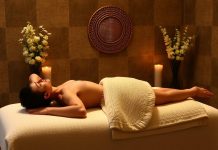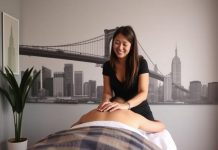

“Elite bodyrub” gets tossed around as a catchphrase, but what does it actually mean in practice? Strip away the marketing gloss and you’re left with a very particular kind of bodywork: a session designed with care, precision, and ethics, delivered by a highly skilled professional who understands anatomy, pressure, pacing, and the art of quiet attention. It’s not about velvet robes or gold-trimmed menus. It’s about individualized assessment, immaculate boundaries, and a flow tailored to what your body needs that day—no more, no less.
At its best, an elite bodyrub feels refined but unpretentious. The practitioner screens for contraindications, keeps notes on your preferences, and doesn’t treat your muscles like a monolith. There’s a plan, often a layered one: releasing one chain of tension to unlock another, alternating between specific therapeutic work and broader integrative strokes that calm the nervous system. The result is deep relief without rough handling, a sense of being looked after, and a peaceful clarity that follows you out the door.
One more thing up front, because it matters. A professional elite bodyrub is non-sexual. It respects laws, licensing standards, and your standing as a client with a right to clear boundaries and informed consent. Draping is careful. Communication is welcome. You’re never asked to tolerate discomfort or ambiguity around touch. If a service blurs those lines, it isn’t elite—it’s risky. The right provider will make that distinction obvious from the first message you exchange.
What “Elite” Really Means in Bodywork
There’s no official registry of elite practitioners, but certain markers show up consistently. Think of them as telltale signs you’re in capable hands: specialized training, meticulous intake, skillful touch, and an environment built for quiet focus rather than spectacle.
- Expertise: Licensure where required, plus continuing education in modalities like myofascial release, neuromuscular therapy, or lymphatic drainage.
- Customization: A pre-session consult that translates your goals into a plan. Not just “full-body,” but “restore shoulder mobility, downshift the nervous system, and rebalance gait.”
- Technique fluency: Smooth transitions between broad strokes and precise work. Pressure adapts to tissue response rather than the clock.
- Environment: Clean, quiet, well-ventilated space. Quality linens. Temperature control. Fragrance kept optional and minimal.
- Ethics and consent: Clear boundaries, professional draping, informed consent forms, and respect for your comfort and privacy at all times.
An elite bodyrub is also efficient. No wasted motion. No performative flourishes. The practitioner knows the difference between a satisfying sensation and a therapeutic outcome—and aims for both when appropriate.
Elements That Set an Elite Bodyrub Apart
Before you get on the table, the practitioner listens. They ask where you tend to hold tension, what kind of pressure you usually prefer, and if you’re managing anything specific—an old surgery, a temperamental low back, a training cycle, a desk setup that punishes your neck. This conversation is the foundation of a session that actually helps.
During the session, there’s an intentional arc. Muscles are warmed before deeper work begins. Joints are moved gently to assess end range and ease. The therapist uses slow, responsive strokes that allow the tissue to “invite” more depth rather than bracing against it. If your nervous system stays involved and cooperative, the work reaches deeper levels without aggression.
Draping stays secure. Movement cues are simple and free of awkwardness. You’re asked if the temperature and music are right. You feel free to say you’d prefer silence—and that preference is honored. Little things like this add up.
The Science Under the Calm
Good touch changes how the body processes tension and stress. An elite bodyrub leverages mechanisms you can feel, even if you can’t name them in the moment. On a basic level, slow, sustained pressure influences mechanoreceptors in the skin and fascia. These signals can down-regulate pain and help muscles release, a phenomenon that often feels like a softening wave passing under the therapist’s hand.
Massage has been associated with reduced anxiety, improved sleep, and relief from certain types of pain. While it isn’t a cure-all, it can nudge the autonomic nervous system toward parasympathetic “rest and digest” mode. Blood flow increases locally. The lymphatic system benefits from rhythmic, gentle strokes. And beyond the physiology, there’s the cognitive effect of being attentively cared for—your brain learns that it can let its guard down for a while.
Pressure matters. Too little and the tissues don’t respond. Too much and the body braces. Skilled practitioners read tissue tone, watch for breath patterns, and adjust quickly. They also know when not to work on a region—think acute injuries, blood clots, active infections, or conditions where deep pressure is contraindicated. Safety always outranks “more is better.”
Common Techniques Used in an Elite Bodyrub
- Myofascial release: Slow, sustained pressure that helps ease restrictions in the connective tissue network.
- Neuromuscular therapy: Specific work on trigger points and tender bands to relieve referral patterns.
- Swedish-inspired integrative strokes: Long, fluid movements that promote circulation and nervous system calm.
- Passive and active stretching: Gentle range-of-motion work to restore glide around joints.
- Lymphatic techniques: Feather-light, directional strokes that support lymph flow and reduce puffiness.
- Craniosacral-inspired holds: Subtle contact aimed at quieting the system; often deeply relaxing.
How It Differs from a Standard Spa Massage
| Aspect | Standard Spa Massage | Elite Bodyrub |
|---|---|---|
| Intake | Basic form, brief chat | Detailed goals, history, and plan |
| Technique Depth | General relaxation, set sequence | Adaptive depth, targeted problem-solving |
| Pacing | Uniform rhythm | Varied tempo matching tissue response |
| Environment | Ambient, sometimes scented | Quiet, adjustable, fragrance-optional |
| Ethics & Boundaries | Standard policies | Explicit consent, trauma-informed care |
| Aftercare | General suggestions | Personalized guidance tied to session findings |
Finding a Reputable Practitioner
0
Start with credentials. In regions where licensure is required, verify it. Look for continuing education that matches your needs—sports, prenatal, lymphatic, or medical massage. Scan reviews for details about professionalism, pressure control, and clarity around boundaries. If the marketing leans suggestive, walk away. A true elite bodyrub adheres to professional ethics without exception.
Transparency is another marker of quality. You should know how pricing works, what’s included, and how long hands-on time lasts. Prepayment policies, cancellation windows, and late policies should be spelled out. Communication before the appointment should be prompt, unambiguous, and respectful.
Due-Diligence Checklist
- Verify license or certification with the relevant board or association.
- Confirm scope: therapeutic, non-sexual bodywork with professional draping.
- Ask about intake: health history, goals, and any contraindications.
- Request clarity on session length (actual hands-on minutes).
- Review policies: cancellations, late arrivals, payment methods.
- Note hygiene practices: clean linens, handwashing, disinfecting.
- Assess communication: respectful, timely, and straightforward.
Preparing for Your Elite Bodyrub
0
A little preparation goes a long way. Arrive well-hydrated but not overfull. Eat a light meal if you need it. Avoid heavy alcohol or strenuous workouts right before the session. Wear clothing that’s easy to change in and out of. Leave jewelry at home if possible. Bring notes on any specific issues you want addressed.
It helps to think about a primary goal. “My shoulders feel locked after long flights” is more useful than “I just want to relax,” because it guides the practitioner’s plan. That said, if relaxation is your priority, say so. An elite bodyrub can be restorative without chasing every knot.
Session Etiquette That Makes Everything Smoother
- Arrive on time to allow for intake without eating into hands-on time.
- Share medical conditions, medications, or injuries, even if they seem unrelated.
- Speak up about temperature, music, or pressure. Adjustments are part of the service.
- Phone on silent, face down, and ideally out of sight. Give yourself the hour.
- Respect the boundary that this is professional, non-sexual bodywork.
What to Expect During the Session
After intake, you’ll be shown where to place your belongings and how to position yourself under the sheet and blanket. Draping remains secure; only the area being worked is uncovered. The practitioner may begin with breath cues or gentle holds to settle your system. Pressure starts light and deepens slowly as tissues soften. Expect smooth transitions and clear, simple instructions when turning or changing positions.
Silence or light conversation? Your choice. Many people prefer quiet after the first few minutes. If you want to talk, the therapist will follow your lead without disrupting focus. What matters most is that you feel safe, respected, and heard—without needing to manage the session yourself.
Aftercare: Making the Most of Your Elite Bodyrub
Post-session, drink water, but don’t force it. A short walk, gentle stretching, or a warm shower can help integrate the work. Mild soreness the next day is possible, particularly after focused therapeutic techniques. It should feel like post-exercise tenderness, not sharp pain. If something feels off or extreme, contact the practitioner or a medical professional.
Some people like to jot down what improved and what still needs attention. This helps shape the next appointment. You might notice better sleep, easier breathing, or a lighter mood. Enjoy it—and give yourself a little buffer before diving back into email or meetings if you can.
Pricing, Value, and What Drives Cost
Elite bodyrub sessions vary in cost depending on location, training, and session length. Urban centers command higher rates. Longer appointments cost more but often allow deeper, more comprehensive work. Add-ons like hot stones or specialized tools may be included in the base rate or priced separately. Transparent pricing is a hallmark of professionalism.
| Session Length | Typical Range (Standard Markets) | Typical Range (Major Cities) | Notes |
|---|---|---|---|
| 60 minutes | $100–$160 | $160–$250 | Best for maintenance or focused area |
| 90 minutes | $150–$220 | $220–$350 | Allows full body plus targeted work |
| 120 minutes | $200–$300 | $320–$500 | Deep, unhurried integration |
Prices can fall outside these ranges, especially for specialists with advanced credentials. When comparing options, weigh total value: the intake quality, hands-on skill, aftercare guidance, and how your body feels afterward. A thoughtful elite bodyrub can be worth spacing out and budgeting for rather than chasing discount packages that never quite resolve anything.
Tailoring the Elite Bodyrub to Specific Needs
An elite bodyrub shines when it’s tuned to context. Athletes in heavy training need tissue recovery without overwriting their program. Desk workers benefit from upper-back decompression and breath-friendly chest work. Prenatal clients require side-lying positions, gentle techniques, and practitioners trained in pregnancy precautions. Older adults may want slower pacing and attention to joint comfort. The point is not to force one style across every body but to let the body’s story guide the work.
For Athletes
- Targeted work on calves, quads, hamstrings, glutes, and hip rotators to support stride and power.
- Attention to recovery windows—lighter work near competition, deeper work in base periods.
- Coordination with strength coaches or physical therapists when appropriate.
For Desk and Remote Workers
- Neck and shoulder release, pec minor and anterior deltoid softening to open the chest.
- Forearm and hand work for heavy keyboard use.
- Gentle diaphragmatic release to ease shallow breathing patterns.
For Prenatal Clients
- Side-lying positioning with careful bolstering.
- Light to moderate pressure, avoiding contraindicated areas.
- Focus on low-back, hips, and feet for comfort and circulation.
For Seniors
- Slower pace, lighter pressure, and joint-friendly ranges of motion.
- Extra attention to temperature and comfortable positioning.
- Communication about fragile skin or osteoporosis.
Safety, Boundaries, and Trauma-Informed Care
0
Safety isn’t a footnote. It’s the framework. A legitimate elite bodyrub respects body autonomy, cultural differences, and individual comfort. The practitioner asks permission before working sensitive areas like abdomen or glutes, uses draping that protects privacy, and checks in without breaking the flow. If something brings up emotion, they hold space calmly and adjust the plan as needed.
It’s also important to name the boundary again: a professional bodyrub is not sexual. If a provider implies otherwise—or encourages ambiguity—leave. High standards exist to protect clients and practitioners alike. Clear boundaries create the trust that allows genuine relaxation and therapeutic change.
Sustainability: How Practitioners Maintain Quality
Consistency is part of what makes an elite bodyrub elite. That consistency comes from sustainable practice design. Reasonable scheduling, breaks between sessions, and an environment that reduces sensory fatigue help the practitioner stay present. When a therapist invests in self-care and continuing education, you feel it. The work stays fresh and attentive rather than rote.
Building a Long-Term Plan
One brilliant session is great; a sequence can be transformative. Many clients start with a few sessions closer together to address a concentrated issue, then shift to monthly maintenance. The cadence depends on your goals, stress levels, and budget. Some practitioners offer membership pricing or packages; judge them by flexibility and clarity rather than flashy perks. The “right” plan is the one you can maintain without pressure.
At-Home Support Between Sessions
Your body keeps changing after you leave the table. Light support at home can extend the benefits of an elite bodyrub without turning your living room into a gym. Think simple, not extreme.
- Gentle mobility: neck nods, shoulder rolls, hip circles, and cat-cow to keep tissues gliding.
- Self-massage tools: a soft foam roller or a tennis ball against the wall for calves, hips, and upper back.
- Micro-breaks: two minutes every hour to stand, breathe, and reset posture.
- Sleep hygiene: consistent bedtimes and a cooler room help the body integrate recovery.
Reading the Signs: When to Pause or Modify
There are times when you should delay or alter a session. Active infections, fever, open wounds, blood clots, recent fractures, uncontrolled hypertension, or recent major surgery are red flags. If you’re pregnant, choose a practitioner trained in prenatal work. If you’re undergoing cancer treatment, look for someone with oncology massage training. An elite bodyrub respects these boundaries because that’s what professionalism looks like.
Communication: The Quiet Skill That Changes Everything
0
Great bodywork is a conversation without fuss. You can say “lighter” or “more pressure,” and the practitioner adjusts. You can request silence. You can ask why a certain area is tender and get a clear, jargon-free answer. The therapist uses check-ins without interrupting flow, and you feel invited to speak at any point. That’s the kind of communication that turns a good session into an excellent one.
A Sample Flow for a 90-Minute Elite Bodyrub
| Segment | Focus | Rationale |
|---|---|---|
| 0–10 min | Intake, goals, breathing settle | Align plan with needs; shift into parasympathetic mode |
| 10–35 min | Back, neck, and shoulder warm-up + targeted release | Address common tension hubs; free up thoracic mobility |
| 35–55 min | Hips and legs, glute med/rotators, calves | Balance gait mechanics; reduce low-back pull |
| 55–70 min | Chest opening, pec minor, anterior deltoid, forearms | Counter desk posture; improve shoulder set |
| 70–85 min | Neck-focused work, suboccipitals, gentle traction | Ease headaches, improve head/neck alignment |
| 85–90 min | Integrative strokes, quiet hold | Consolidate changes; end in calm |
Red Flags to Avoid
0
- Vague or suggestive advertising; lack of clear boundary statements.
- No intake form or rush to start without discussing health history.
- Reluctance to provide license details where licensure is required.
- Poor hygiene, stale linens, or cluttered space.
- Hard sell tactics for packages or add-ons.
Frequently Asked Questions
Is an elite bodyrub the same as deep tissue?
Not necessarily. Deep tissue is a pressure style; an elite bodyrub is a quality standard. It may include deep work, but only where it’s helpful and safe. Sometimes the most effective change comes from slower, lighter techniques that let tissue unwind.
How often should I book?
For focused goals, some people start weekly for a few sessions, then move to every three to four weeks. For stress management, monthly is common. Your schedule should match your needs and budget; a sustainable cadence beats bursts followed by long gaps.
Do I need to tip?
Policies vary by region and practice model. Some private practitioners build gratuity into their rates and decline tips. Spas often expect tipping. Check the policy in advance so you can plan accordingly.
What should I wear?
Wear comfortable clothing that’s easy to change. Once on the table, you’ll be draped professionally. If you prefer to remain more covered, say so; practitioners can adapt techniques to work through clothing or with limited undraping.
Can an elite bodyrub help with chronic pain?
It can be a helpful part of a broader plan that may include physical therapy, exercise, and medical care. Many people experience pain reduction and improved function. Outcomes vary, and ongoing conditions often require consistent, multi-pronged support.
Is fragrance used?
High-end sessions usually keep scent optional and subtle, or avoid it altogether. If you have sensitivities, request unscented products. The emphasis is on clean, neutral products that allow your nervous system to relax.
Why the Experience Feels Different
Technique matters, but so does the way time is held. An elite bodyrub creates a feeling of unhurried attention. You sense that the practitioner is tracking your breath, adjusting angles on the fly, and thinking three moves ahead. The room supports that work without stealing focus—no jangly playlists, no distracting chatter, no rush to flip you over just because the clock says so.
By the end, you feel lighter and better organized in your own skin. Not floaty so much as clear. That clarity is a good sign that both the muscular and nervous systems got what they needed.
How to Talk About Results
Be specific when you reflect on changes. Instead of “I feel better,” note, “My neck turns more easily when I check my blind spot,” or “I slept through the night for the first time in weeks.” Specific outcomes help your practitioner fine-tune future sessions and decide where to spend time next.
If something didn’t land—pressure, area focus, music—say so kindly but directly. Professionals appreciate feedback, especially when it helps them serve you better next time.
Integrating With Other Care
An elite bodyrub plays well with others. Pair it with strength training to “lock in” new ranges of motion. Coordinate with a physical therapist for post-injury plans. Mindful breathing or meditation can amplify nervous system benefits. The more your care team communicates—even if that “team” is just you and your therapist—the more coherent your results will be.
Travel and On-Site Sessions
Some practitioners offer mobile services for home or hotel appointments. Expect a higher rate to account for travel time and setup. The same standards apply: clean equipment, clear boundaries, and a setup that protects privacy. If you’re booking an on-site elite bodyrub, prepare a quiet, temperature-controlled room and ensure pets and interruptions are managed.
Gift Cards and Special Occasions

An elite bodyrub makes a thoughtful gift when the recipient is comfortable with touch. Include a note encouraging them to choose the timing and communicate preferences openly. Avoid buying for someone who may feel obligated to accept a kind of care they don’t enjoy. The gift should feel like permission, not pressure.
Environmental and Product Considerations
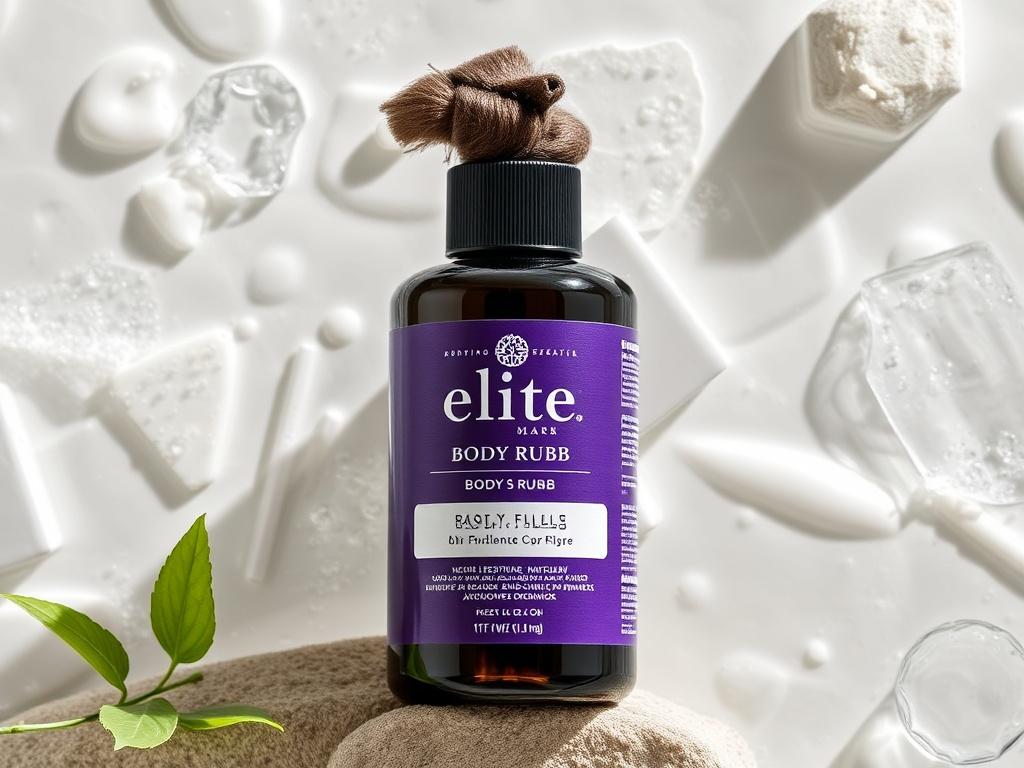
Quality oils and lotions make a difference. Unscented, hypoallergenic products protect sensitive skin. Some practices choose sustainably sourced linens and energy-efficient equipment to reduce environmental impact. If that matters to you, ask. A responsible practice often applies care to the little things you rarely see.
Signs You’re Ready to Level Up Your Sessions
- You’re recovering from training or travel and want smarter, not harder, pressure.
- You’ve tried generic massages and feel good for a day, then tight again.
- You value clear communication and structured, ethical care.
- You’re curious about integrating bodywork into a bigger health plan.
Closing the Loop: Scheduling With Intention
Book your next session when you know what you want from it. Space appointments so you can observe changes and refine goals. Treat the elite bodyrub as part of a cycle: work, recovery, reflection, adjustment. That rhythm keeps progress steady and realistic.
Conclusion
An elite bodyrub is simply bodywork done with uncommon skill and care. It pairs precise technique with steady attention, honors boundaries without awkwardness, and adapts in real time to what your tissues and nervous system need. If you choose your practitioner thoughtfully, prepare with a clear goal, communicate during the session, and follow simple aftercare, the results tend to speak for themselves: less tension, better movement, and a calmer mind that stays with you long after you’ve left the table.