

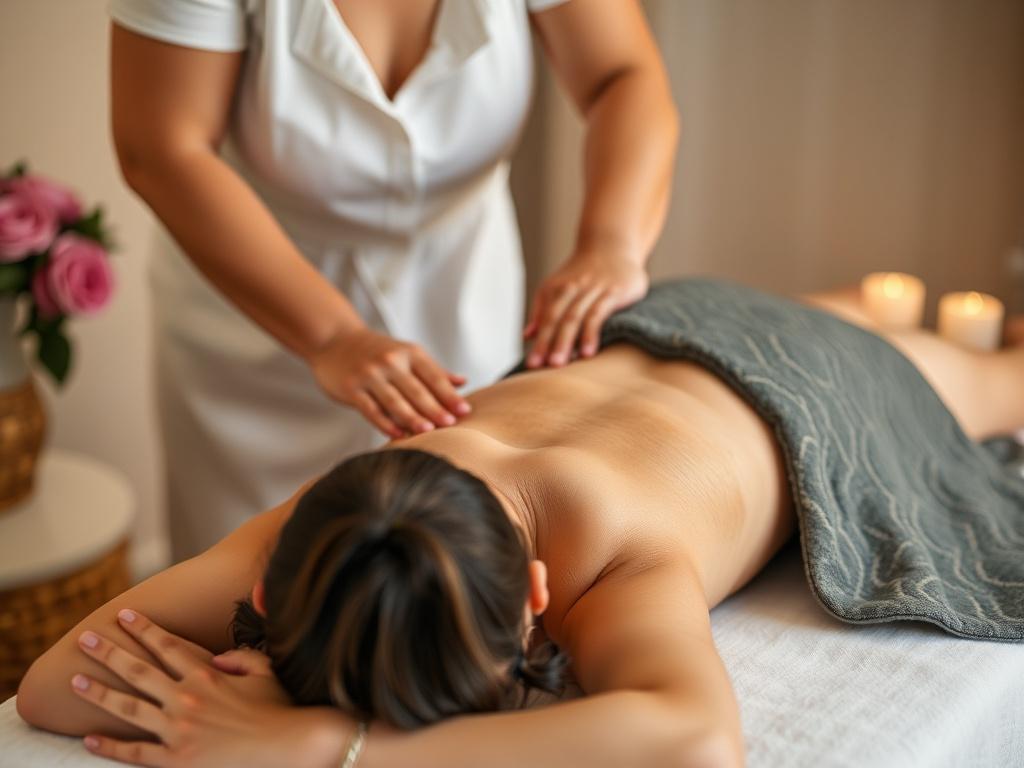
The phrase “body to body massage girl” shows up everywhere online—search results, late-night ads, neon signs on side streets. It’s a loaded string of words, some of them professional, some of them marketing varnish, and some of them quietly controversial. What does it really mean? Sometimes it’s nothing more than SEO bait pointing toward a wellness service. Other times it’s code for something else entirely, which is where safety, ethics, and legality enter the picture. If you’ve ever wondered whether there’s a legitimate version of what you’re seeing, how reputable bodywork actually works, or how to navigate those blurred lines without stepping into risk, this guide lays it out clearly and calmly.
We’ll talk about what the phrase typically signals in ads, how professional massage is conducted when done by trained adults, how to check credentials and consent, and how to walk away from anything that doesn’t feel right. There’s a lot of noise out there. You don’t need more noise—you need a map. Let’s build one.
What the Phrase Usually Means—and Why People Use It
“Body to body massage girl” mixes three different ideas: a style (suggestive or literal “full-contact” marketing language), a service category (massage), and a gendered descriptor (a “girl,” almost always referring to an adult woman in ad copy). In many cities, the phrase is used to attract clicks from people searching for sensual experiences. That doesn’t make it accurate or safe, and it certainly doesn’t make it legal. In reputable wellness settings, bodywork is structured, boundaried, and non-sexual. The phrase as used in search results rarely reflects that reality.
At the same time, there are perfectly legitimate massage practices—Swedish, Thai, Shiatsu, sports massage—that involve close, professional contact, oil, and flowing techniques. None of that is erotic. The intention and the boundaries define the work. If you want the legitimate version, look for licensed practitioners, clear policies, and transparent pricing. If the ad copy leans hard on coded language and avoids details about training or credentials, that’s your first red flag.
Professional Massage vs. Suggestive Marketing
Professional massage centers on anatomy, technique, hygiene, and consent. It’s about easing muscle tension, improving circulation, and helping your nervous system downshift. Marketing phrases like “body to body massage girl” often promise something else—something implied, not stated. Those implications can lead to misunderstandings and situations that are risky for both clients and workers.
If you’re searching for real wellness, skip the sensational language and look for specifics: licensure numbers, named modalities, session lengths, draping policies, and intake forms. When those are present, you’re much more likely to be dealing with trained adults operating within the law. When they’re absent, pause. You’re looking at an ad, not a professional profile.
How Reputable Bodywork Actually Works
Training, Credentials, and Boundaries
Licensed massage therapists (LMTs) complete hundreds of hours of supervised training and pass standardized exams where required. They learn physiology, pathology, contraindications, ethics, and hands-on technique. They work with adults and, in certain clinical contexts, with minors—but only with proper consent and clear scope. The language in legitimate settings is precise and boring in the best way: pressure levels, muscle groups, treatment plans. The point is care, not innuendo.
Boundaries are non-negotiable. Draping keeps clients covered except for the area being worked on. Clients can ask for adjustments at any time—more or less pressure, skipping a tender calf, avoiding a ticklish foot. Practitioners maintain professional conduct. Any sexual behavior or solicitation is grounds to end the session immediately.
What “Full-Body” Means
“Full-body” in a clinical sense means a sequence covering the back, shoulders, arms, hands, legs, feet, sometimes the abdomen and scalp, always within ethical guidelines and cultural norms. Some modalities (like Thai massage) are done clothed and on a mat. Others use oil on a table. None of that implies erotic intent, despite what certain ads suggest when they lean on the phrase “body to body massage girl.” The difference is not in the props—it’s in the boundary line.
Common Massage Modalities at a Glance
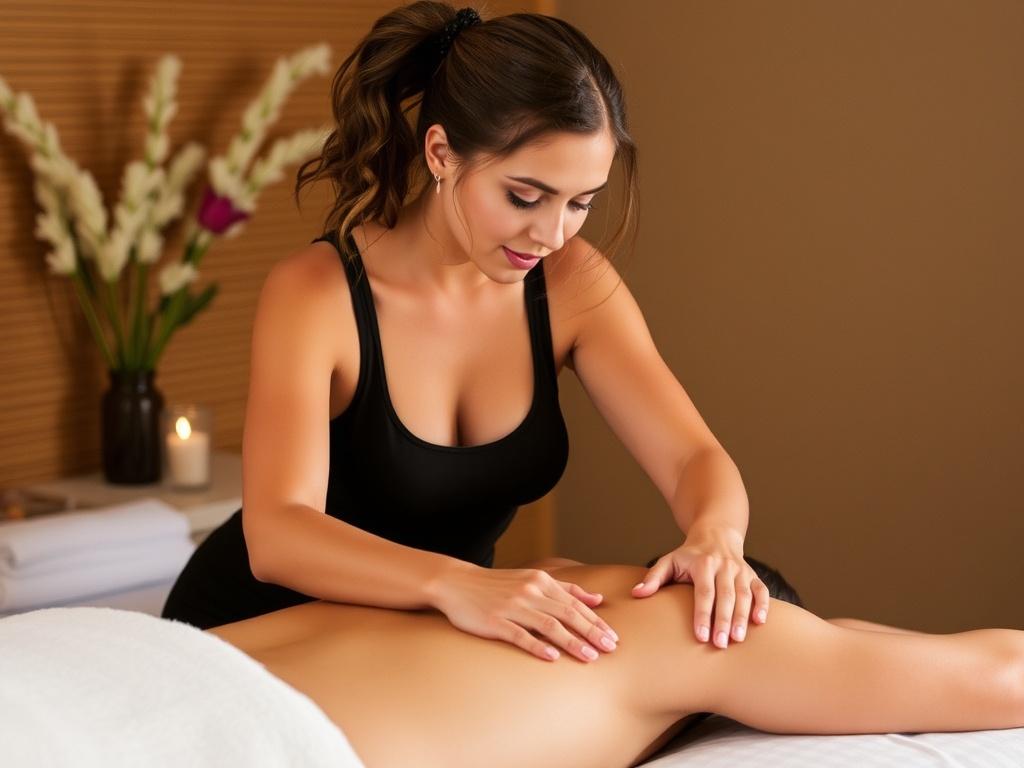
If you’re trying to choose a legitimate style that fits your needs, this quick comparison helps decode the menu.
| Modality | Typical Pressure | Clothing | Uses Oil/Lotion | Focus | Typical Session Length |
|---|---|---|---|---|---|
| Swedish | Light to medium | Undressed to comfort; draped | Yes | Relaxation, circulation, overall tension | 60–90 minutes |
| Deep Tissue | Medium to deep | Undressed to comfort; draped | Yes | Chronic tightness, knots, restricted range | 60–90 minutes |
| Sports Massage | Variable | Shorts/athletic wear or draped | Often | Pre/post event recovery, mobility | 30–75 minutes |
| Thai Massage | Medium with stretches | Clothed (flexible attire) | No | Assisted stretching, energy lines | 60–120 minutes |
| Shiatsu | Light to firm | Clothed | No | Pressure points, energy flow | 60–90 minutes |
| Lymphatic Drainage | Very light | Undressed to comfort; draped | Sometimes minimal | Reduce swelling, support lymph flow | 45–90 minutes |
Reading Ads Critically: Green Flags and Red Flags

Let’s be practical. If you type “body to body massage girl” into a search bar, you’ll get a spectrum: reputable clinics, pop-up listings, and everything in between. Use the same scrutiny you’d use when choosing a doctor or contractor.
| Green Flags | Red Flags |
|---|---|
| Licensure numbers, full names, credentials | Only first names or initials, no credential details |
| Clear menu of services and rates | Vague language, no posted prices |
| Intake forms, health questions, policies | No intake, “no questions asked” vibe |
| Professional photos of a clinic space | Stock glamour shots that don’t match location |
| Reviews mentioning technique and relief | Reviews hinting at “special services” or coded terms |
| Clear draping and boundaries policy | Winks, euphemisms, coy messaging |
| Transparent cancellation and refund rules | Cash only, pressure to book quickly |
Safety and Consent: What You Should Expect
Consent is not a one-time checkbox; it’s a running conversation. A professional will ask about injuries, preferences, and areas to avoid, then explain how draping works and where they’ll start. You can modify your consent at any time. If a practitioner ever pushes past your stated boundaries, the session ends—and you owe nothing beyond agreed fees to that point.
If you see ads that lean on the phrase “body to body massage girl,” pay attention to how they talk about consent. Do they mention it at all? Do they spell out policies? Silence on safety topics speaks loudly.
Gender, Language, and Respect
There’s another layer here: the word “girl.” In professional contexts, therapists are adults and should be described as such. Reputable practitioners refer to themselves and their colleagues as women, men, or nonbinary professionals—or simply as therapists. If a listing uses infantilizing language about the person providing the service, that’s a sign that professionalism isn’t the priority. Respectful language correlates with respectful practice.
Above all, ensure you’re dealing only with adults. Reputable businesses will state age policies clearly and will never imply work by minors. If anything feels unclear, walk away.
What a Professional Session Looks Like, Step by Step
0
Before You Arrive
- Book through a verified website or booking platform. Look for confirmation emails and a listed business address.
- Review intake forms. Prepare to note medical conditions, allergies, injuries, and medications.
- Hydrate lightly and avoid heavy meals an hour before your appointment.
At Check-In
- Arrive 10–15 minutes early to complete paperwork, discuss goals, and ask questions.
- Your therapist will explain the session, boundaries, and draping.
- You’ll be shown to a private room and given privacy to undress to your comfort level.
During the Massage
- Expect professional draping at all times except the area being treated.
- Pressure levels are adjustable—speak up if anything doesn’t feel right.
- There is no sexual contact. Any inappropriate behavior ends the session.
Aftercare
- Drink water, move gently, and note any soreness.
- Ask for home care suggestions: stretching, heat, or rest.
- Schedule follow-up sessions as needed based on your goals.
Benefits, Myths, and Where Expectations Go Off the Rails
Massage can help with stress, mild aches, range of motion, and sleep quality. It’s not a cure-all, and it shouldn’t replace medical care for serious conditions. The myth that a more “intimate” format brings better results is just that—a myth. Technique, training, and trust drive outcomes, not suggestive marketing phrases like “body to body massage girl.” A quiet room and skilled hands beat flashy promises every time.
Another myth: pain equals effectiveness. It doesn’t. Discomfort can happen during deeper work, but sharp or breath-stopping pain is counterproductive. Your therapist should adjust immediately.
Etiquette: How to Be a Good Client
Good etiquette doesn’t mean being stiff; it means communicating clearly and showing basic respect. If you’re new to massage or wary because of the ads you’ve seen, it helps to know what “good” looks like in practice.
- Be honest on your intake forms. Your therapist can’t adapt to injuries or sensitivities they don’t know about.
- State your goals: relaxation, recovery from a long run, neck tension from desk work.
- Respect boundaries and policies. If the policies aren’t posted, ask for them before you book.
- Silence phones and minimize disruptions. A calm room helps both of you focus.
- Speak up early if something feels off—pressure, temperature, music, anything.
Cost, Tipping, and Transparency
Prices vary widely based on location, experience, and session length. Reputable businesses list rates upfront. If an ad frames pricing in coy terms—especially when paired with suggestive language like “body to body massage girl”—consider it a warning sign.
| Region | 30 Minutes | 60 Minutes | 90 Minutes | Notes |
|---|---|---|---|---|
| Small towns | $30–$55 | $60–$90 | $90–$130 | Independent practitioners may offer package discounts |
| Mid-size cities | $40–$70 | $80–$130 | $120–$180 | Clinics often bundle sessions or memberships |
| Major metro areas | $50–$90 | $110–$180 | $160–$260 | Premium rates for advanced or medical massage |
Tipping norms vary. In medical settings or some countries, tips are not expected; in spa settings in North America, 15–20% is common. When in doubt, ask the front desk. More important than tipping is making sure the therapist is fairly compensated through transparent pricing.
Home vs. Spa: Setting, Hygiene, and Equipment
Some practitioners travel; others work in clinics. Both can be legitimate when done professionally. Hygiene and setup matter more than the address. Expect clean linens, sanitized surfaces, fresh hand towels, and properly laundered sheets for every client.
- Massage table or Thai mat in good condition
- Clean linens and blankets, changed between sessions
- Hand sanitizer and wash station
- Hypoallergenic oil or lotion
- Professional draping and modesty materials
- Ambient music and temperature control
Any space that looks improvised, cluttered, or unsanitary is a pass. Professional spaces show care in the details: labeled bottles, sealed containers, organized supplies. That’s what real wellness looks like, and it stands out from the chaos of ads using phrases like “body to body massage girl” to grab attention.
Legal and Ethical Landscape

Massage therapy is regulated in many regions. Licensure or certification may be required, and there are clear rules prohibiting sexual activity in sessions. Businesses that blur those lines often blur others too: taxes, labor rights, safety protocols. It’s not just about personal discomfort; it’s about the risk of exploitation.
If you’re seeking a legitimate experience, verify licensure where possible. Many jurisdictions provide online lookup tools for therapists. If the listing focuses on suggestive language, lacks a license, and avoids naming the therapist, it’s not a risk worth taking. Choose providers who keep standards high for everyone involved.
Inclusivity and Personal Comfort
Many clients prefer a practitioner of a specific gender for personal, cultural, or trauma-informed reasons. That’s valid. Ask for what helps you feel secure and relaxed. Reputable clinics will accommodate without judgment. They’ll also use adult, respectful language—avoiding infantilizing terms like “girl” when they mean “woman” or “therapist.”
If you’re uncomfortable with any phrasing in an ad—especially something like “body to body massage girl”—contact the clinic directly and ask clarifying questions. A professional will answer clearly. If you get evasive replies, keep searching.
How to Choose a Practitioner You’ll Actually Like
Checklist Before You Book
- Confirm licensure or certification and years in practice.
- Scan reviews for specifics: technique, results, professionalism.
- Check the service menu for recognized modalities.
- Look for posted policies on draping, cancellations, and boundaries.
- Note the tone of the listing. Professional or suggestive?
Questions to Ask
0
- What techniques do you use for neck and shoulder tension?
- How do you handle areas clients prefer to avoid?
- What’s your approach to pressure—do you check in during the session?
- How do you sanitize equipment and linens between clients?
- Can you accommodate injuries or mobility limitations?
These questions do two things: they prioritize your safety and comfort, and they filter out listings that lean on glam phrasing—like “body to body massage girl”—instead of substance.
Risk, Contraindications, and When to Skip Massage
0
There are times when massage isn’t appropriate. That doesn’t mean it’s harmful by default; it means a good therapist knows when to say “not today” or adjust the plan.
- Fever or contagious illness: reschedule when you’re well.
- Recent surgery: get medical clearance and wait as directed.
- Deep vein thrombosis or clotting disorders: specialized care only, often with physician guidance.
- Severe osteoporosis: gentle techniques only; avoid deep pressure.
- Uncontrolled hypertension: cautious approach; consult your doctor.
- Pregnancy: seek a practitioner trained in prenatal massage.
A thoughtful intake conversation will surface these issues. That’s another way real clinics distinguish themselves from the suggestive marketplace built on keywords like “body to body massage girl.”
Technique Without the Hype: What Makes a Session Effective
Effective sessions share a few fundamentals: a plan tailored to your body, pressure that meets you where you are, and a therapist who listens. Fancy buzzwords won’t replace good palpation—the feel for tissue quality that comes only with training and practice. Add pacing and breath awareness, and your nervous system starts to exhale. That’s the “magic,” minus the mystique.
Small details help more than flashy promises. Warm oil rather than cold. A head cradle adjusted to your neck. A moment of stillness before transitioning from back to legs. The craft is quiet. If an ad shouts in neon—“body to body massage girl”—pay attention to what it’s not saying about technique.
Marketing Language: Why It Matters
Words aren’t harmless. They set expectations, attract certain clients, and repel others. Phrases like “body to body massage girl” can create a dangerous mismatch: a client who expects erotic services and a therapist who does not provide them, or vice versa. That mismatch can trigger conflicts, safety issues, and legal risk. Clear language builds safer sessions before anyone even walks into the room.
When businesses choose accurate words—Swedish massage, deep tissue, prenatal, draping required—they create a calmer experience for everyone. When in doubt, ask for a services list and a boundaries policy in writing. Professionals will be happy to provide it.
If You’ve Had a Bad Experience
It happens. Maybe the ad oversold the space. Maybe the room felt unsafe, the practitioner ignored your requests, or boundaries blurred. You can do a few things: leave a factual review that focuses on verifiable details, report unlicensed practice to your local board if applicable, and—most importantly—choose a new practitioner who checks the boxes laid out above. One sour experience doesn’t mean the whole field is suspect. It means you refined your filter.
And if you felt pressured or harmed, consider speaking with a trusted friend or professional. Your wellbeing matters more than any sunk cost.
A Quick Path to a Good First Session
- Search for “licensed massage therapist + your city.” Avoid purely suggestive phrases like “body to body massage girl” and click results that show credentials.
- Pick three candidates with clear bios and services.
- Call or email one question about technique and one about policies.
- Book the therapist who answers clearly and professionally.
- After the session, note how you feel the next day. Rebook if the work aligned with your goals.
Putting It All Together
You don’t need to decode a labyrinth to find quality bodywork. You need a few steady markers: licensure, clarity, clean space, and a therapist who listens. Let search results throw their glitter. You’re looking for substance. If you encounter marketing built around “body to body massage girl,” treat it as a signal to slow down, ask real questions, and verify the basics. Done right, massage is a grounded, human craft—less sizzle, more skill, and a lasting sense that your body can breathe again.
Conclusion
The phrase “body to body massage girl” sits at the uneasy edge between real wellness and suggestive marketing, and that’s why it trips so many people up. The safest way through is simple: prioritize professionalism over innuendo. Choose licensed adults who use clear language, outline boundaries, and focus on anatomy and technique. Read ads with a critic’s eye, ask direct questions, and trust your instincts when something feels off. Real massage is not a wink or a code; it’s a skilled, respectful practice that helps you move and rest better. When you aim for that standard, you avoid the pitfalls baked into the keyword-driven marketplace and land where you intended all along—on a table, in good hands, with the calm that comes from knowing you’re in the right place.