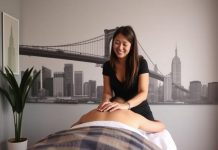


New York moves at the tempo of crosswalk signals and espresso shots, which is exactly why a great bodywork session can feel like a small miracle. When people search for “upscale bodyrub NYC,” what most are trying to find is a refined, professional experience that calms the nervous system, untangles tight muscles, and treats the senses with care. This guide walks you through everything a discerning New Yorker—or a visitor with taste—should know about high-end bodywork in the city: what “upscale” actually means, which modalities suit different needs, how to choose a studio, what to expect on the day, and how to make the most of your time and money without sacrificing ethics or safety.
The focus here is wellness-forward, hospitality-driven bodywork. New York State regulates massage therapy, and high-caliber studios honor that structure. Expect skilled practitioners, clean and elegant spaces, and quiet confidence rather than hype. You’ll learn what separates a premium experience from a merely pricey one, how to read the room (and the website), and how to walk out feeling lighter, lengthened, and more present in your body—without having to guess or gamble.
What “Upscale” Really Means in Practice
Upscale is not code for overcomplicated. It’s the assurance of quality at every touchpoint. In a proper upscale bodyrub NYC experience, the essentials are non-negotiable: licensed massage therapists where required, exacting hygiene, a polished intake process, and a team that treats you like a person rather than a slot on a schedule. You should feel looked after with transparency around pricing, boundaries, and timing. The difference shows up in the details: steam-pressed linens, thoughtfully weighted blankets, soft robes, well-placed hooks, silent doors, and a room temperature set for comfort rather than energy savings.
Legality matters. In New York State, massage therapy is a licensed profession; you’ll often see “LMT” after a practitioner’s name. Many upscale studios are crystal clear about this on their websites and at the front desk. Some related practices—like reflexology or certain types of energy work—may fall under different rules. If you’re unsure, ask how the studio defines its services. Reputable places welcome thoughtful questions and respond in plain language. Any request for sexual services is inappropriate and often illegal; high-end providers set boundaries up front and maintain them, which protects guests and practitioners alike.
Bodywork Modalities You’ll Find in High-End Settings
A polished experience starts with the right modality. Below are those you’ll commonly see offered in premium NYC studios, along with how they differ and why you might choose one over another. If you’re new to bodywork, think of this as a menu for your muscles and your mind, and match the technique to the way you want to feel afterward.
Swedish Massage
Classic, comforting, and ideal for decompression. Long, gliding strokes increase circulation and promote parasympathetic calm. Great for first-timers and anyone who wants stress relief more than targeted muscle work.
Deep Tissue
Focused pressure addresses chronic tension, adhesions, and stubborn knots. It’s not a pain contest: a skilled therapist works slowly and invites feedback so intensity never tips into strain. Best for desk warriors and athletes who want tangible structural change.
Sports Massage
Goal-oriented sessions for performance, recovery, or pre-event prep. Expect a mix of deep tissue, stretching, and joint mobilization. Good before a race, after a training cycle, or to maintain a healthy baseline between workouts.
Thai Massage
Sometimes called “lazy yoga,” this mat-based style involves assisted stretches, compressions, and rhythmic pressure, often performed with the client fully clothed. It’s dynamic and energizing, and in upscale spaces, you’ll still get premium touches—heated rooms, immaculate mats, and precise pacing.
Shiatsu
0
Rooted in Japanese tradition, shiatsu uses finger and palm pressure along meridians to balance energy and ease tension. Sessions are typically clothed and can feel both grounding and clarifying, especially when anxiety fuels your muscle tightness.
Lomi Lomi
0
Flowing, wave-like strokes using forearms and hands. Many describe it as deeply nurturing. Upscale studios that offer Lomi Lomi typically invest in proper training and create a ceremony-like environment without slipping into theatrics.
Hot Stone
Heated basalt stones loosen muscles and invite deep relaxation. The stones serve as an extension of the therapist’s hands, not props. In quality settings, temperatures are carefully regulated so heat melts tension rather than shocking your nervous system.
Aromatherapy Massage
Essential oils are selected to suit your goals—calming, focusing, or uplifting—and integrated into a Swedish or deep tissue session. Premium oils, clean carrier bases, and a mindful scent profile keep it elegant rather than overpowering.
Lymphatic Drainage
Gentle, rhythmic strokes support lymph flow and reduce puffiness. This is popular post-travel, postpartum, or after certain procedures (with your doctor’s clearance). An experienced practitioner uses a feather-light touch that still produces measurable results.
How the Space Shapes the Experience
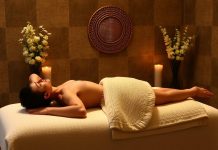
Great therapists are the core; environment is the amplifier. In an upscale bodyrub NYC studio, you’ll notice a considered design palette—muted lighting, real plants, soundproofing that actually works, and a layout that prevents hallway chatter from leaking into treatment rooms. Aromas are subtle; towels are thick; storage is intuitive so your bag doesn’t end up on the floor. Small luxuries add up: filtered water with citrus, tea stations, and showers stocked with fragrance-free products.
Quiet matters. A strong soundscape—distant rain, minimal acoustic guitar, or gentle ambient textures—keeps your mind from chasing to-do lists. The room is warm enough that you never tense against the air. Draping is secure. You can breathe without thinking about the details because the details were handled for you.
Choosing the Right Studio or Spa
Searching for the right fit can feel like dating apps for your back. To filter fast, focus on credentials, clarity, and care. An upscale studio usually lists therapist bios with training and specialties, explains modalities in plain English, and makes booking simple without being pushy. If you’re looking for an upscale bodyrub NYC experience, consider the checklist below as your north star.
- Licensing: Look for New York State–licensed massage therapists (LMT) for massage services; verify credentials if unsure.
- Transparency: Clear menus, add-on pricing, cancellation policy, and gratuity guidance posted publicly.
- Intake: A pre-session form asking about injuries, preferences, and goals—then the therapist revisits those details in person.
- Environment: Quiet rooms, clean bathrooms, fresh linens, and a seating area that feels welcoming rather than crowded.
- Communication: Staff reply to emails or calls with specifics, not canned lines; they welcome questions about pressure, draping, and accessibility.
- Reputation: Reviews that mention consistency, cleanliness, and professionalism—especially regarding boundaries and respect.
- Scheduling: Thoughtful session spacing to prevent turnover chaos and keep your time sacred.
Neighborhood Notes: Finding Your Vibe in NYC
Manhattan leans polished and fast, with convenient midday bookings near major offices and hotels. Expect higher price points offset by excellent facilities and seasoned therapists who manage busy schedules without shortchanging you. Brooklyn studios often feel intimate and craft-forward—plants, quiet playlists, and a neighborly ease—while still delivering top-tier skill. Queens offers solid value, varied modalities, and a global range of techniques reflecting the borough’s diversity. The through line: professionalism and clarity. If a space is coy about what it offers, move on.
Etiquette and Expectations
Good etiquette makes the session better—for you and the therapist. Show up a bit early, speak plainly about your goals, and keep your phone silenced. It’s your time, so advocate for yourself without apologizing. If the music is too loud, the table too warm, or the pressure too light, say so. The right therapist appreciates your input; it helps them deliver results.
- Arrival: Aim for 10–15 minutes early to complete intake forms and avoid rushing.
- Attire: You’ll undress to your comfort level; draping is standard. For clothed styles like Thai or shiatsu, wear flexible, clean clothing.
- Boundaries: Only therapeutic, professional services belong in the room. If anything feels off, end the session. High-end studios have your back.
- Tipping: In NYC spas, 18–25% is common if gratuities are accepted; medical massage handled through insurance is often tip-free—ask in advance.
- Cancellations: Respect time. Premium studios publish clear windows (often 24 hours). Late changes typically incur fees.
- Communication: Let your therapist know about injuries, medications, pregnancy, or recent procedures.
Pricing and Value: What to Expect
Upscale doesn’t mean arbitrary. Prices reflect therapist experience, session length, and overhead (soundproofing isn’t cheap). Manhattan rates tend to be higher than outer boroughs; couples sessions and specialty modalities usually add a premium. Quality studios offer transparency and avoid aggressive upselling. Consider how you feel afterward—looser shoulders, quieter thoughts, better sleep—as the real measure of value.
| Service Type | Typical Duration | Manhattan Price Range (USD) | Brooklyn/Queens Price Range (USD) | Ideal For |
|---|---|---|---|---|
| Swedish Massage | 60–90 min | 150–260 | 120–200 | Stress relief, first-timers |
| Deep Tissue | 60–90 min | 170–300 | 140–230 | Chronic tension, neck/shoulder knots |
| Sports Massage | 60–90 min | 180–320 | 150–240 | Training recovery, mobility |
| Thai Massage | 60–120 min | 180–340 | 150–260 | Full-body stretch, energy boost |
| Hot Stone | 60–90 min | 180–310 | 150–240 | Deep relaxation, stubborn tightness |
| Lymphatic Drainage | 60–90 min | 190–340 | 160–260 | Post-travel, puffiness, light touch |
| Couples Session | 60–90 min | 360–660 | 280–520 | Shared experience, special occasions |
| Add-ons (e.g., aromatherapy, cupping) | 10–20 min | 20–60 | 15–45 | Customization, targeted relief |
Note: These are general ranges to help you plan; actual prices vary by studio, practitioner experience, and amenities included. If you’re comparing options for an upscale bodyrub NYC session, confirm whether shower time, sauna access, or special oils are included or billed separately.
Smart Add-Ons and Thoughtful Pairings
Add-ons should serve your goals, not distract. Cupping can speed recovery for heavy lifters. A brief guided breathwork segment helps downshift from a hectic day. Aromatherapy, when matched to your preferences and any sensitivities, can tilt the session toward calm or clarity. If the studio offers heat-and-cold contrast (sauna and cold rinse), consider five gentle cycles before your massage to warm tissues and improve circulation—just keep the heat moderate so you don’t arrive on the table depleted.
- Breathwork: Two to five minutes at the start filters out mental noise.
- Hydrotherapy: Short sauna, cool rinse, repeat—stay hydrated and avoid extremes.
- Stretch Finish: A quick, guided sequence before you leave helps lock in gains.
- Tea and Time: Sit for a few minutes post-session to let your system recalibrate.
For Special Occasions and Couples
When you’re celebrating, the details matter more. Couples rooms in upscale studios are designed for comfort: two synchronized therapists, quiet conversation before and after, and no awkward scramble from lobby to table. Ask about packages that include a private lounge window or post-session refreshments. For prenatal support, look specifically for prenatal-certified therapists and side-lying setups that protect spinal alignment; safety comes first and informs every positioning choice. Gift cards are an easy yes—choose open amounts so recipients can book exactly what they want.
Accessibility and Inclusivity
High-end doesn’t mean exclusive; it means thoughtfully inclusive. Look for studios with elevators or ground-level entries, adjustable tables, and restrooms that are easy to navigate. A strong intake form invites you to share pronouns, accessibility needs, and any sensory sensitivities. Upscale teams are trained to adapt: they can adjust lighting, skip scents, and work around medical devices or pain triggers. Body-positive, LGBTQ+ friendly spaces advertise this clearly, and the tone carries through the entire staff, not just the marketing copy.
Red Flags: Protect Your Time and Money
Most NYC studios are earnest and professional, but a few warning signs can save you from a mediocre session. If a website evades questions about licensing, or the menu describes everything in vague, promising terms without real detail, keep your guard up. An unusually low price for a long session in a prime neighborhood can signal corners cut on training or safety. Aggressive upselling mid-session is a mood-killer; respectful providers mention add-ons before or after, not while you’re in a relaxed state. And if you call with a reasonable question and get a scripted non-answer, that’s your answer.
- No credentials listed or unwillingness to share licensing details.
- Inconsistent or confusing pricing; surprise “facility fees.”
- Poor hygiene indicators: stale smells, stained linens, sticky floors.
- Thin walls, loud conversations, ringing phones during sessions.
- Pressure to buy packages before you’ve tried a single session.
Plan the Perfect Day Around Your Session
Booking the right time helps the work sink in. Early afternoon is ideal if you can swing it—your body is awake, you’ve eaten lightly, and you can coast into evening. Skip heavy meals and intense workouts for a few hours before; after, take a gentle walk, drink water, and avoid marathon screen time. If you’re in Midtown, stroll a quiet side street before returning to the subway crush. In Brooklyn, pair your session with a riverside walk or a low-key café. Travel light so you don’t juggle bags. And give yourself at least 30 minutes of buffer time: nothing undoes a calm nervous system like sprinting to your next thing.
Health Considerations and Safety
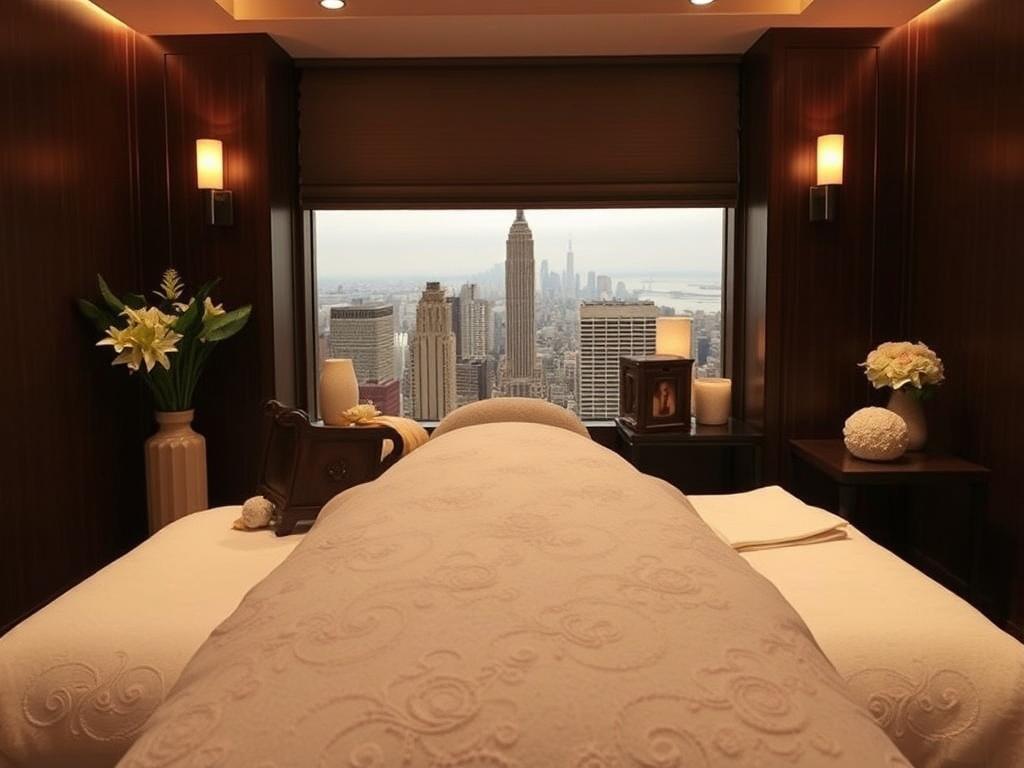
Always share medical history applicable to bodywork: recent injuries, surgeries, pregnancy, circulatory issues, and medications that affect blood clotting or sensation. If you’re under medical care, ask your provider about timing and any contraindications for massage. Upscale studios build safety into their protocols—clean equipment, fresh linens for each client, fragrance-free options, and allergy-aware products. If you have sensitive skin, request a patch test for oils. And remember: the right pressure is the pressure your body can absorb without bracing. Discomfort can be part of therapeutic work, but pain that makes you tense is counterproductive—speak up and recalibrate.
Beyond the Table: Making Results Last
Bodywork is most effective when paired with a few simple habits. Hydrate for the next 24 hours to support circulation and lymph flow. A 10-minute stretch routine—two or three moves that target your trouble spots—can prolong the relief. Light movement later in the day, like a neighborhood walk, cements new patterns in your muscles. If your therapist offered self-care suggestions, write them down immediately; even one change (ergonomic tweaks to your desk, a daily mobility minute) adds up fast. If you discovered a style you love, set a maintenance cadence—every four to six weeks suits many people, and you can adjust seasonally.
Frequently Asked Questions
What’s the difference between massage and a “body rub”?
In common use, people often say “body rub” to mean a relaxing massage. Legally in New York State, massage therapy is a licensed healthcare profession. Reputable studios use accurate terms, employ licensed therapists for massage services, and are clear about scope and boundaries.
How do I know if a therapist is licensed?
Look for “LMT” after their name and verify through New York State’s Office of the Professions website if you want confirmation. Upscale studios usually include licensing details in bios and can answer questions without hesitation.
How much should I tip?
In NYC spas, 18–25% is typical when gratuities are accepted. If your session is part of a medically prescribed treatment billed through insurance, tipping may not be appropriate—ask the front desk what’s customary for their setting.
Should I shower before or after?
Arrive clean and unscented (fragrances can bother other guests). If the studio offers showers, a quick rinse after can feel great, especially after oil-heavy sessions. Some prefer to let oils absorb for a few hours—do what suits your skin and schedule.
Will it hurt?
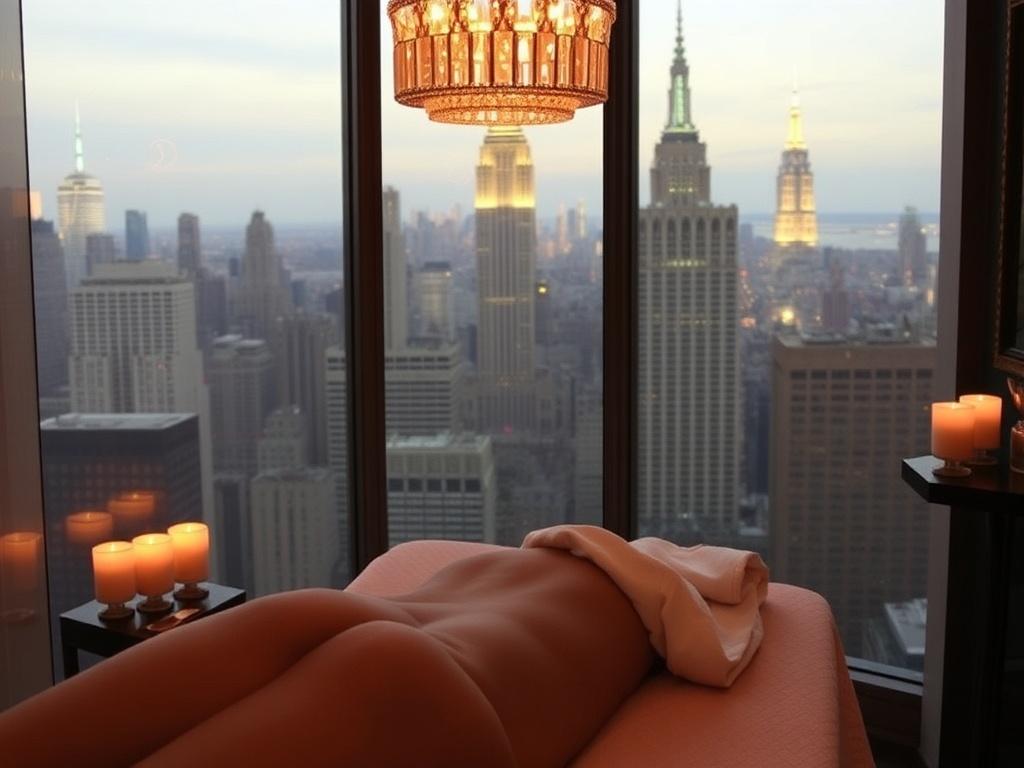
Therapeutic pressure can be intense but should never feel like your body is fighting back. Pain is a cue to speak up; a skilled therapist will adjust and still produce results.
Can I get massage while pregnant?
Yes—with a therapist trained in prenatal massage. They’ll use positions and techniques that keep you and the baby safe. If you have a high-risk pregnancy or complications, get medical clearance first.
Do studios take insurance?
Most upscale spas are private-pay. Some medical massage practices accept insurance with a referral. If coverage matters, ask about superbills—receipts with codes you can submit to your insurer or HSA/FSA.
How do I prepare for an upscale bodyrub NYC session?
Hydrate, eat a light meal an hour or two before, wear easy layers, arrive early, and be ready to describe your goals. That five-minute conversation shapes the whole session.
Aromas, Music, and Tiny Tweaks That Change Everything
Small sensory shifts can enlarge your experience. If you’re scent-sensitive, request an unscented base or hypoallergenic oil. Prefer quiet over music? Ask for near-silence. A heavier blanket can create a safe, grounded feeling; a lighter sheet keeps you cool. Many upscale spaces keep a few finish-line touches on hand—scalp massage, warm compresses for the feet, or a targeted neck release. Communicate your favorites and your no-go zones at the start so the session flows without stop-and-start checks.
Seasonal Strategies for NYC Bodies
Winter shoulders live up near the ears; summer feet bark after long city walks; spring and fall are prime times to reset. In cold months, choose heat-forward options like hot stone or a sauna warm-up so muscles are receptive before deeper work. In peak humidity, lymphatic drainage can reduce swelling, and a lighter oil keeps your skin happy. Marathon season calls for sports massage and strategic cupping; holiday season calls for Swedish calm and peppermint tea afterward. An upscale bodyrub NYC experience adapts to the city’s rhythm and the season your body is in.
Sustaining a Relationship With Your Therapist
Consistency builds results. When a therapist learns your postural quirks, stress patterns, and preferences, each session picks up where the last left off. Book with the same person when possible and keep notes on what worked—pressure levels, specific stretches, even the playlist vibe. If your needs change—new workouts, a different desk setup, pregnancy—tell them. A strong therapeutic relationship is collaborative, clear, and grounded in mutual respect.
Creating a Home Ritual Between Sessions
Your body keeps the score of your days. A micro-ritual helps keep that score balanced: five minutes in the evening to check in. Sit on the floor, breathe slowly, roll your feet on a ball, and stretch your hip flexors and chest. Keep a simple toolkit—foam roller, lacrosse ball, soft strap—near your couch. These small moves don’t replace professional work, but they make every future session more effective, which means your investment stretches further.
How Upscale Studios Train for Excellence
Behind the scenes, premium spaces invest in continuing education, service design, and feedback loops. Therapists take advanced courses in modalities like myofascial release or lymphatic work. Front desk teams learn to manage flow without rushing anyone. Managers monitor noise levels, room temperatures, and scent balance. Great studios ask for feedback in ways that feel human, then actually implement what they learn. The result is an experience that feels steady and refined, with improvements you may not notice consciously but your body definitely does.
Matching Modality to Goal: A Quick Selector
If you’re deciding between two or three options, use this fast filter. Choose Swedish for a melted, off-the-grid calm. Pick deep tissue for a focused reset where you leave taller. Try Thai if you want to feel limber and lightly energized. Book lymphatic drainage before a shoot, event, or long flight. Add aromatherapy if scent is your language; skip it if you’re sensitive. For an upscale bodyrub NYC outing with a partner, a couples session offers a shared reset without losing personal attention.
| Goal | Recommended Modality | Suggested Add-On | Post-Session Tip |
|---|---|---|---|
| Stress relief | Swedish | Aromatherapy (lavender or chamomile) | Tea and a 10-minute quiet walk |
| Chronic tension | Deep Tissue | Cupping (if appropriate) | Hydration and gentle stretching |
| Pre-race tune-up | Sports Massage | Targeted mobility drills | Light movement, avoid heavy lifting |
| Post-flight reset | Lymphatic Drainage | Contrast shower | Early bedtime, elevated legs |
| Flexibility + energy | Thai Massage | Breathwork | Short mobility circuit later in the day |
Booking Strategies and Timing
Prime slots (late afternoon, early evening) go quickly in top studios. If your schedule is rigid, book two or three sessions ahead, spaced four to six weeks apart. For travel, reserve early and confirm 48 hours before. Keep an eye on session length: 90 minutes is the sweet spot when you want both general relaxation and targeted work; 60 minutes suits a midweek reset focused on one region. If you’re driving, factor parking; if you’re taking the subway, check for weekend service changes. It’s easier to relax when logistics are a non-issue.
What Makes It NYC-Specific
New York audiences bring high standards and busy calendars. Upscale studios here are efficient without being cold, and engaged without being intrusive. Therapists learn to navigate screen-induced neck tension, runners’ calves shaped by the city’s bridges, and stress patterns that come from constant sensory input. You feel that local expertise when a therapist targets the exact knot from your laptop hours or spends extra care on feet that pound pavement daily. The city shapes the work—and the work shapes how you move through the city.
Ethics, Respect, and the Human Element
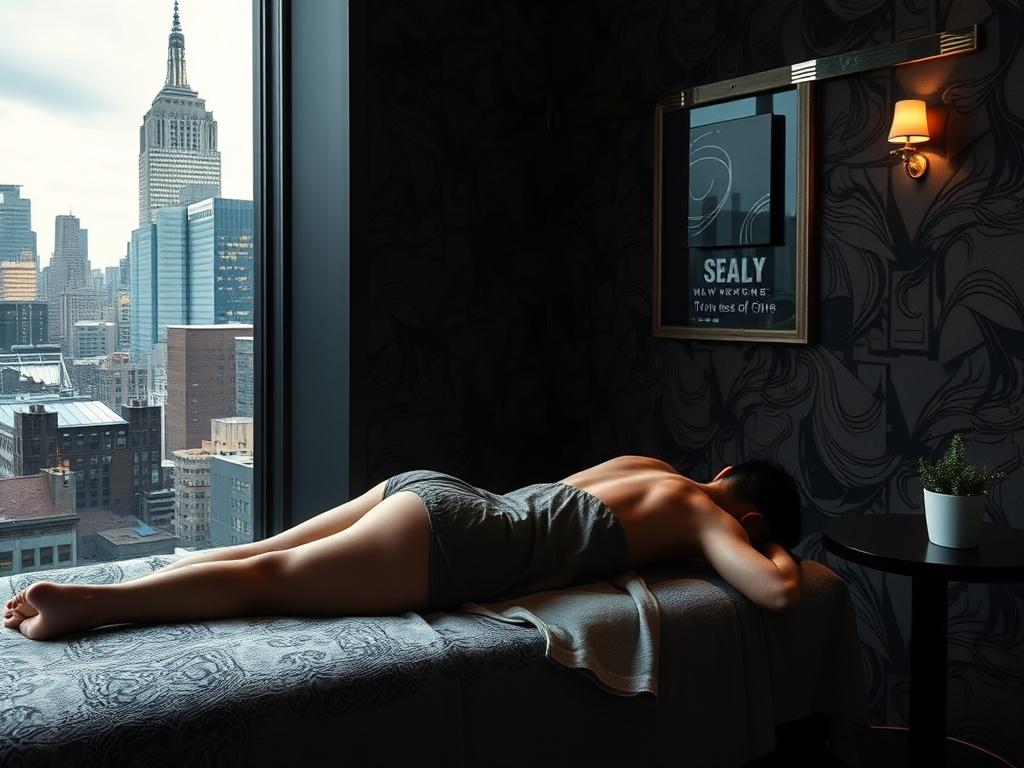
Any truly upscale bodyrub NYC experience rests on ethics—respect for your body, your privacy, your story. You should feel safe from the first email to the last sip of water before you leave. Boundaries are clear and kind. Preferences are noted and honored. If anything goes sideways, the studio makes it right. That’s luxury: not excess, but care. The feeling that the space and the people in it are on your side.
Conclusion
If you want an upscale bodyrub NYC experience that actually restores you, think in layers: credentialed therapists, spaces designed for calm, clear communication, and a modality that matches your goals. Treat your time as a resource, do a quick credential check, and favor studios that invest in people and details over theatrics. Then lean in—breathe, speak up about pressure and preferences, and give yourself a few quiet minutes afterward. The city will still be there when you step back outside, but you’ll meet it with a looser jaw, easier shoulders, and a steadier pulse—and that changes the whole day.