

Type that phrase into a search bar and you’ll get a jumble of rumors, shadowy listings, and whispered “tips.” It might feel like you’re looking for a shortcut to stress relief. In New York, that shortcut can land you in legal trouble, put workers at risk, and still leave you unsatisfied. There’s a better way. This guide cuts through the noise—what’s legal, what’s safe, what actually helps your body unwind—and shows you where to find real relaxation without playing roulette with your safety or conscience.
Let’s be blunt: in New York State, paying for sexual services, including any version of an “erotic massage,” is illegal. That includes asking, arranging, and paying for it. But that doesn’t mean you have to settle for a bland, cookie-cutter spa experience. The city is full of legitimate options—from upscale bathhouses to old-school steam rooms to meticulous licensed massage therapists—that deliver the very outcome most people really want: deep relaxation, muscle relief, and a calmer mind. This piece maps the landscape so you can choose confidently, support ethical businesses, and walk out feeling better than you walked in.
What New York law actually says (so you don’t wing it and regret it)
New York’s Penal Law treats prostitution and patronizing as offenses. Paying for sexual services, even if they’re tucked inside a “massage,” is illegal. Law enforcement periodically runs stings, and arrests aren’t rare. Separate from that, massage therapy itself is a licensed healthcare profession in New York State. Only a Licensed Massage Therapist (LMT) may legally provide massage therapy. If an establishment offers “body rubs” without licensed therapists, it’s breaking the rules. That matters for your safety too: licensure requires training in anatomy, contraindications, and hygiene. Without it, you’re rolling the dice with your health.
Two quick takeaways. First, “best rub n tug nyc” is a fast path to a bad night and, potentially, a criminal record. Second, New York’s legitimate wellness scene is huge and worth exploring. If you want touch that heals, not hassles that escalate, book a licensed service and skip anything that hints at sexual activity.
What you might actually be looking for
Scratch the surface and most searches like this boil down to a few desires: relief from tension, the novelty of being cared for, a sense of intimacy, or a nerve-calming ritual in a loud city. Sexual thrill might be part of that, but it’s often a placeholder for need: connection, comfort, or a reliable way to decompress. You can meet those needs safely and legally—through skilled bodywork, restorative heat-and-cold circuits, and, if intimacy is the core, honest conversation with a partner or a qualified therapist. Clarity helps you choose the right door.
How to recognize a legitimate massage practice
Licensed Massage Therapists in New York have completed state-approved education and passed a licensing exam. Legit businesses make this obvious: you’ll see license certificates on the wall, intake forms that ask about your health, clear draping protocols, and a professional, clinical tone. You’ll also see boundaries respected: you control what’s discussed and what’s touched, and you can stop or modify anything at any time. If a place hints that “extra” services are available, that’s two problems in one—illegal behavior and poor professional standards.
What to check before you book
- License verification: Search for the therapist’s name on the New York State Office of the Professions “Verification” page.
- Transparent service menu: Clear descriptions (Swedish, deep tissue, prenatal) with durations and prices.
- Intake and consent: A short health questionnaire and a conversation about your goals and any injuries.
- Draping and privacy: You’re covered except for the area being worked. Undressing is to your comfort level.
- Hygiene: Clean linens, fresh towels, a tidy room, and handwashing before and after the session.
Red flags that say “walk away”
- Vague or coded ads (“special,” “happy finish,” “body rubs”) instead of legitimate modalities.
- No licenses displayed; staff can’t give you a full name or license number.
- Pressure to pay cash only, or to buy “extras” off-menu.
- Covered windows, locked interior doors, or staff who seem frightened or coached.
- Refusal to discuss draping, boundaries, or your health history.
Legal, effective massage and bodywork options
Once you know what you’re booking, you’ll get better results. Here’s a plain-English map of popular modalities you’ll find across the city, what they feel like, and when they help.
| Modality | What it feels like | Good for | Typical duration | NYC price range |
|---|---|---|---|---|
| Swedish | Long, gliding strokes; light to medium pressure | General relaxation, sleep support, mild soreness | 60–90 minutes | $100–$220 |
| Deep Tissue | Slow, focused work on tight areas | Chronic tension, knots, desk neck, runners’ calves | 60–90 minutes | $120–$260 |
| Sports | Active stretching plus targeted pressure | Pre/post-event recovery, mobility, frequent training | 60–90 minutes | $130–$280 |
| Thai | Clothes-on, floor mat; stretches and compressions | Flexibility, low back relief, energy without oil | 60–120 minutes | $120–$250 |
| Shiatsu | Rhythmic pressure along meridians; clothes-on | Stress regulation, balanced pressure, grounding | 60–90 minutes | $110–$220 |
| Prenatal | Side-lying, supported bolsters; gentle focus | Pregnancy aches, swelling, sleep | 60–75 minutes | $120–$240 |
| Myofascial Release | Slow, sustained pressure; minimal oil | Posture issues, stubborn tightness, chronic pain | 60–90 minutes | $130–$280 |
| Hydrotherapy/Bathhouse Circuit | Saunas, steam, cold plunge, relaxation rooms | Nervous system reset, muscle recovery, social unwinding | 2–4 hours | $50–$150 day pass |
Great places in NYC to truly unwind (all above board)
New York does legit relaxation better than almost any city. These spots are known for quality, professionalism, and the kind of care that lowers your shoulders an inch or two.
AIRE Ancient Baths (Tribeca)
Dimly lit pools of varying temperatures, saltwater floats, and optional massages in a serene, cave-like space. It’s quiet, atmospheric, and feels far from street noise. Book ahead; the schedule fills quickly.
QC NY (Governors Island)
A day spa with panoramic views of Lower Manhattan. Expect saunas, relaxation rooms, outdoor pools, and long stretches of doing nothing on purpose. Ferries run regularly; it’s an easy micro-escape without leaving the city.
Bathhouse (Williamsburg)
A modern take on the bathhouse: dry and wet saunas, cold plunges, a good scrub menu, and a restaurant for post-sauna snacks. It’s social but not rowdy. You can add a massage with trained practitioners.
World Spa (Brooklyn)
Three floors of thermal experiences—from banyas to hammams—plus a robust treatment list. Come for the heat-and-cold cycle; stay because your head finally stopped buzzing.
Russian & Turkish Baths (East Village)
A classic. Expect strong heat and no nonsense. If you like authentic steam culture and a gritty New York staple, this is it. Not fancy, but effective.
The Peninsula Spa (Midtown)
High-touch service, a polished environment, and skilled therapists. Good for a treat-yourself day when you want plush robes and a sense of occasion.
Mandarin Oriental Spa (Columbus Circle)
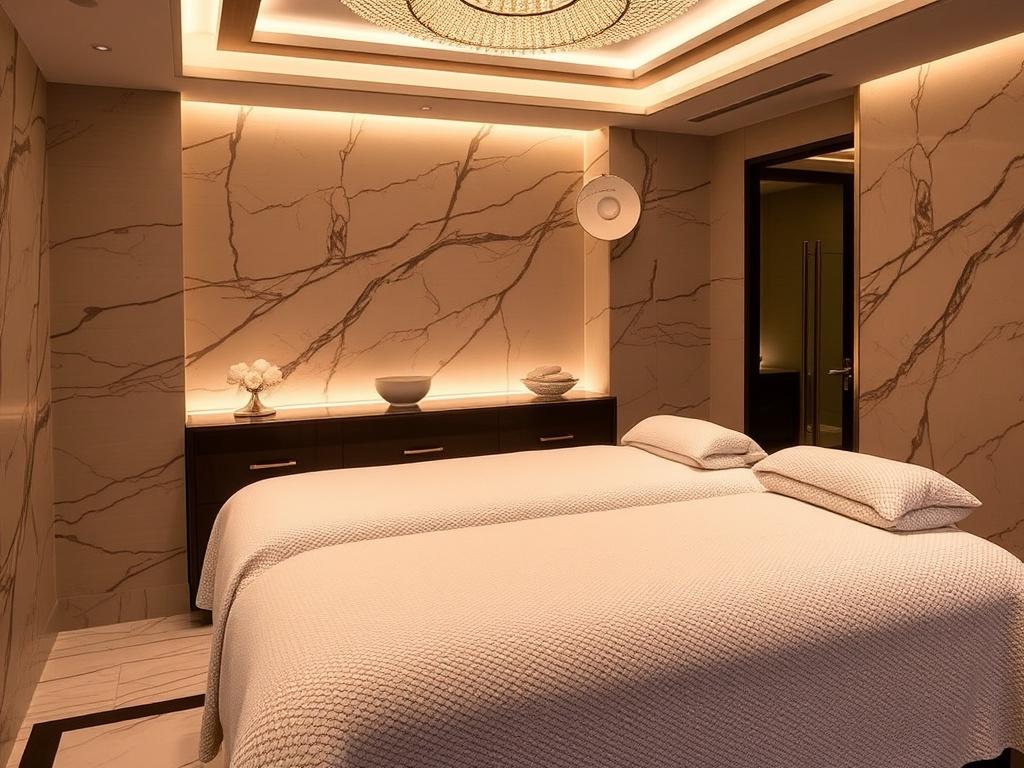
Wide city views, carefully designed treatments, and consistent standards. Pricey, and worth it when you want the luxury box checked alongside clinical skill.
Juvenex Spa (Koreatown)
Compact, urban spa with baths, saunas, and body scrubs. A solid pick for after-work decompression when you don’t want to trek far.
Spa Castle (Queens)

Large, family-friendly complex with themed saunas and pools. It’s more playful and lively than meditative; go with a friend and make it an afternoon.
HigherDOSE (multiple locations)
Infrared saunas and PEMF (pulsed electromagnetic field) mats for a tech-forward sweat. Great when you want a predictable, short session that helps you sleep like a rock.
What to expect during a legitimate massage (and how to enjoy it more)
Good bodywork is collaborative. You don’t need to micromanage, but you do want to communicate just enough. A few simple habits make the difference between “fine” and “wow.”
- Before: Share medical issues, recent injuries, and how you want to feel afterward. If you’re not sure, say “relaxed but functional tomorrow.”
- During: Speak up about pressure, temperature, or music. Short phrases work: “More pressure on the shoulders,” “Softer on the calves.”
- Draping: You’re covered except for the area being worked. If you prefer more coverage, say so.
- Boundaries: Glutes, abdomen, chest, and inner thighs require explicit consent and professional technique; you can decline any area.
- After: Get up slowly, drink water if you’re thirsty, and give your body an hour before heavy lifting or a hard workout.
If your need is sexual, keep it consensual and legal
0
Sexual needs are human; paying for sexual services in New York is not legal. If intimacy is what you’re missing, you have options that respect consent and the law. Talk to a partner about touch that actually restores you—slow, present, not performative. Consider working with a certified sex therapist if communication stalls. The American Association of Sexuality Educators, Counselors and Therapists (AASECT) hosts a directory of qualified professionals. For sexual health questions or testing, NYC’s Sexual Health Clinics and Planned Parenthood offer confidential services. None of that replaces bodywork; it complements it by addressing different parts of the same story—stress, connection, and nervous system regulation.
Safety, tipping, and the small details that matter
Good news: you don’t need a complicated strategy. A few simple choices make your visit smooth, respectful, and low-stress.
- Payment: Many spas take cards; some bathhouses offer day passes online. Suspicion around “cash only” is warranted if the vibe is opaque.
- Tipping: In New York, 18–25% for massage is common if service was good. Some luxury spas add a service charge—ask if that goes to your therapist.
- Timing: Arrive 10–15 minutes early to avoid rushing and start your nervous system reset before the first touch.
- Hygiene: Shower before hydrotherapy and after sweat-heavy sessions. Your skin will thank you.
- Medical: If you’re pregnant, book prenatal with a trained therapist. If you have conditions like deep vein thrombosis, fever, or contagious skin issues, skip massage and talk to a clinician first.
| Moment | What to do | Why it helps | Time needed |
|---|---|---|---|
| Pre-session | State goals and pressure preferences | Aligns treatment with what you actually want | 2–3 minutes |
| Mid-session | Speak up if something isn’t working | Prevents soreness or disappointment | 10 seconds |
| Post-session | Drink water, move gently, avoid heavy lifting | Supports circulation and recovery | 30–60 minutes |
Ethics matter: how to spot exploitation and respond
The wellness industry has a trafficking problem at its edges. As a client, you have power. Choose licensed providers, tip fairly, and refuse any setting that feels coercive or unsafe. If something seems off—locked interior doors, fearful staff, coded language—leave. If you’re concerned about trafficking, you can call the National Human Trafficking Hotline at 1-888-373-7888 or text 233733 (BEFREE). In New York City, 311 can direct reports about unlicensed or unsafe businesses to the right agencies. Your choices support people who train hard to care for bodies safely.
Budget-friendly paths to relaxation
Real care doesn’t have to be expensive. Student clinics offer supervised sessions at a fraction of spa rates, and they’re a great way to experience different modalities while supporting future professionals.
- Massage school clinics: The Swedish Institute (Manhattan) and Pacific College of Health and Science (NYC campus) run student clinics with discounted sessions supervised by licensed faculty.
- Community centers: Some YMCAs and community health centers host affordable wellness services.
- Day-pass bathhouses: Weekday daytime passes are often cheaper than weekends; go early for quiet and value.
- Membership perks: Gyms and social wellness clubs sometimes include guest-day passes or discounted treatments.
| Option | What you get | Typical cost | Trade-offs |
|---|---|---|---|
| Massage school clinic | Supervised student massage | $35–$70 | Less polish, but careful and earnest |
| Weekday bathhouse pass | Sauna/steam/cold plunge access | $50–$90 | Can be busier after work |
| Independent LMT studio | Customized one-on-one care | $120–$180 | Less amenity-heavy than big spas |
| Luxury hotel spa | Top-tier service and facilities | $220–$400+ | Pricey, book ahead |
Build an at-home ritual that actually works
Between appointments, a simple routine keeps your shoulders from climbing back to your ears. The key is consistency, not heroics.
- Five-minute release: A lacrosse ball against a wall on upper back and glutes—slow circles, breathe out on tender spots.
- Heat and cold: Warm shower or heating pad for 10 minutes, then a brief cool rinse. Your nervous system responds well to contrast.
- Epsom salt bath: If you have a tub, 15–20 minutes in warm water helps muscles loosen and signals “day is over.”
- Breath cue: Four-second inhale, six-second exhale for five minutes. It’s a built-in brake pedal for your stress response.
- Light stretch: Hip flexors, pecs, and calves—two minutes each. The office chair is not your friend.
How to choose when you’re overwhelmed by options
The city has more spas than bodegas—or at least it feels that way. When you can’t decide, filter quickly by what you want most right now: quiet, heat, deep work, or variety. Then pick the simplest option that delivers that one thing well. Decision fatigue steals recovery; clarity brings it back.
- If you want silence: AIRE or a private LMT studio.
- If you want to sweat and socialize: Bathhouse or World Spa.
- If you want meticulous muscle work: Book a recommended LMT with deep tissue or myofascial focus.
- If you want to feel pampered: Mandarin Oriental or The Peninsula.
- If you want value: Student clinic + weekday bathhouse pass combo.
Communication scripts you can borrow
Not everyone loves speaking up on a massage table. Short, clear phrases help you get what you need without awkwardness.
- Pressure: “A bit more on the shoulders, a bit less on the lower back.”
- Temperature: “Could we turn the table warmer down one notch?”
- Focus: “Neck and jaw are tight from desk work—happy to skip feet today.”
- Boundaries: “Please avoid glutes and abdomen.”
- Aftercare: “What should I expect tomorrow, and is there anything to avoid?”
A word about expectations and results
Massage isn’t magic, but it’s close when it’s consistent and focused. One session can dial down pain and help you sleep; a few sessions build momentum. Big knots sometimes feel tender the next day—like a gym workout—then ease. If you’re not improving after two or three visits, say so and pivot: a different modality or therapist might suit you better. You can be loyal to your body without being loyal to a mismatch.
Couples and shared experiences that stay legal and kind
If you were chasing the thrill of something “naughty,” consider shared care that’s intimate without crossing lines. Couples massages at reputable spas are a gentle way to sync down together. Some bathhouses offer private suites for small groups—no code words, no secrets, just heat, cold, and quiet. If you want to learn how to give your partner a great shoulder or foot massage, many LMTs offer instruction sessions. It’s surprisingly bonding to trade 15 minutes of focused, slow touch with clear boundaries and feedback.
When not to get a massage (and what to do instead)
Skip massage if you have a fever, contagious illness, active skin infection, open wounds, or a blood clot. Recent surgeries require medical clearance. If you’re on blood thinners or have complex conditions, ask your clinician first. In those moments, hydrotherapy without intense heat, gentle walks, breathwork, and sleep hygiene often do more good than forcing a session your body isn’t ready to process.
Licenses and credentials in plain English
Licensure speaks to training and accountability. Here’s how to sort the alphabet soup.
| Credential | What it means | Who issues it | How to verify |
|---|---|---|---|
| LMT (Licensed Massage Therapist) | Meets New York State education, exam, and ethics standards | NYS Education Department, Office of the Professions | Use the state’s online Verification Search |
| Board Certification (optional) | Additional credential beyond licensure | NCBTMB (national board) | Check NCBTMB’s certificant directory |
| Specialty trainings | Extra courses (prenatal, oncology massage, myofascial) | Various schools and institutes | Ask for specifics; reputable therapists are transparent |
Neighborhood snapshots: where to start looking
You don’t have to cross town to find a good option. Start close, then branch out.
- Lower Manhattan: AIRE Ancient Baths; independent LMT studios tucked into Tribeca and SoHo.
- Midtown: Hotel spas (Peninsula, Mandarin Oriental); solid clinical practices near office hubs.
- Brooklyn: Bathhouse (Williamsburg), World Spa (Midwood), many high-quality independent practitioners.
- Queens: Spa Castle (College Point) for a sprawling sauna experience; neighborhood LMTs with strong reputations.
- Koreatown: Juvenex and several bathhouses with body scrub traditions.
Why licensed touch feels better than shortcuts
0
Skilled bodywork dials into your nervous system. Muscles release because the therapist isn’t just pressing—they’re listening through their hands, matching pressure to your breath, adjusting angles to coax stubborn tissue without inflaming it. You walk out feeling organized, not just pummeled. Add heat-and-cold cycles and you’ve got a simple, legal formula for relief: move, warm up, cool down, rest. No adrenaline spike, no anxious aftermath, no risk of a sting ending your night.
Troubleshooting common issues
If you’ve tried massage and left disappointed, there’s usually a fix.
- Too light: Book deep tissue or sports; ask for “firm, slow pressure, especially on the upper back.”
- Too painful: Say “slower and lighter,” or switch to Swedish with focused areas.
- Ticklish feet or sides: Let them know and skip those zones.
- Scheduling crunch: Go for 60 minutes with a laser focus—neck, shoulders, low back; skip the grand tour.
- Noise sensitivity: Bring earplugs or ask for a quieter room/time slot.
The science-in-brief behind why this helps
Massage and thermal therapies influence the autonomic nervous system. Slow, sustained pressure and warm environments shift you toward parasympathetic dominance—heart rate slows, muscle tone eases, and pain signals turn down. Cold exposure after heat adds a mild stressor followed by rebound calm. None of this requires mysticism. It’s physiology doing what it does when given the right inputs: safe touch, warmth, breath, and time.
How to book without second-guessing yourself
Decide your top goal, pick a legal modality that serves it, verify licensure, and book. That’s the whole playbook. Don’t let coded ads or sketchy “specials” lure you off course. There’s nothing rebellious about breaking laws that exist to protect workers and clients. Real care is a better rebellion: you leave nourished, not nervous.
Quick FAQ
What should I wear?
For oil-based massage, you’ll undress to your comfort level and be draped. For Thai/Shiatsu, wear flexible clothes. Bathhouses provide towels and sometimes robes; bring flip-flops.
Can I ask for a male or female therapist?
Yes. Choose what helps you relax. Communicate any past injuries or sensitivities so your therapist tailors the session.
How often should I go?
For stress, monthly is great. For a specific issue, a short series (three sessions over six weeks) can reset patterns. Maintenance beats crisis mode.
Is tipping mandatory?
It’s customary in the U.S. unless service charges replace it. If unsure, ask the desk discreetly.
What if I feel emotional on the table?
That’s normal. The body stores tension. Breathe, let it pass, and mention it if you want. A good therapist will hold space without making it weird.
A mature, realistic word on that search term
You searched “best rub n tug nyc” because you wanted something fast and effective. Fast and illegal is a poor bet in this city, for you and for the people on the other end. Effective and legal is everywhere: trained hands, clear boundaries, and spaces designed to unwind you without strings attached. Choose the path that lets you sleep well afterward.
A sample plan for a week when stress runs high
Use this as a template and tweak to fit your life.
- Monday: 15-minute at-home routine (breath + lacrosse ball) after work.
- Wednesday: Evening bathhouse visit—sauna, steam, cold plunge, tea, home by 9.
- Friday: 60-minute deep tissue with a licensed therapist, focused on desk neck and hip flexors.
- Sunday: Long walk, gentle stretch, early bedtime.
If you accidentally land somewhere sketchy
Trust your gut. If the vibe turns coded or sexual, stop the session, get dressed, and leave. Pay for the time you occupied if you safely can, then exit. You owe no explanation for your boundaries. If you feel pressure or sense coercion, prioritize your safety and go. Report concerns to 311 or the National Human Trafficking Hotline (1-888-373-7888; text 233733) if appropriate.
How to talk with a partner about touch that helps
If intimacy is at the core of your search, an honest conversation might be the most powerful step. Try this structure: say what you’ve been feeling (“fried after work, tense jaw”), what would help (“slow, firm shoulder rub for 10 minutes while I focus on breathing”), and what you’ll offer in return (“I’ll do your calves after your run on Saturday”). Keep it specific and time-bound. Trade care, not guesswork. If talking is hard, a few sessions with a couples therapist or sex therapist can unlock a better shared language around touch and stress.
Resources to keep handy
- License verification: New York State Office of the Professions (Massage Therapy).
- Sex therapist directory: AASECT.
- Sexual health: NYC Sexual Health Clinics; Planned Parenthood.
- Report concerns: NYC 311; National Human Trafficking Hotline 1-888-373-7888, text 233733.
Final thought before you book
Your time and money can either feed a cycle that harms people or support skilled professionals who make New York a healthier place to live. The choice is simpler than the internet makes it. Pick licensed, transparent, and legal. Your body gets the relief it wanted when you typed that search term. Your conscience gets to relax, too.
Conclusion

Chasing the “best rub n tug nyc” is a trap: illegal, risky, and ultimately less satisfying than the care your body is actually asking for. New York offers abundant, legitimate ways to unwind—licensed massage, thoughtful bathhouses, and skilled therapists who listen with their hands. Verify licenses, communicate your needs, and choose spaces that honor consent and professionalism. If intimacy is the real need, bring that conversation to a partner or a qualified therapist and keep the law on your side. You deserve relief that’s clean, safe, and genuinely restorative; in this city, that’s not hard to find once you look in the right places.