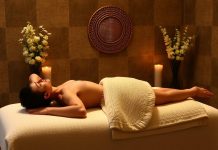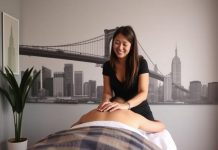


New York moves fast. Shoulders creep up to ears on the subway. Lower backs grumble after another day at a desk. Runners try to stretch away tight calves; bartenders massage their own forearms between shifts. That’s where adult massage NY comes in—a practical, grounded way to unwind, reset, and actually feel like a human being again. This guide walks you through the landscape of legitimate, licensed massage in New York, from picking the right therapist to knowing the legal basics, the etiquette, and how to get the most out of each session without wasting time or money.
Forget the vague promises. Adult massage NY, done right, is simple: a trained practitioner uses well-established techniques to reduce pain, boost circulation, support recovery, and calm the nervous system. Whether you’re after deep work on stubborn knots or a gentle full-body reset, there’s a modality—and a price point—that fits. You’ll learn what to expect on the table, how to communicate your needs without feeling awkward, and where to find reputable services across the city and state.
We’ll keep it straightforward, with no fluff. When it matters, we’ll go deep. And because this is New York, we’ll talk about the little details that can make or break an experience—timing, tipping, building policies, and those two minutes when the therapist asks how much pressure you actually want. Let’s make your next adult massage NY session work for your body and your life.
What “Adult Massage NY” Really Means
In practice, adult massage NY refers to licensed massage therapy in New York for clients 18 and older. It’s not a euphemism. In New York State, massage therapy is regulated by law, and it’s strictly professional. Therapists study anatomy, pathology, ethics, and technique. They perform assessments, take health histories, and work within a defined scope of practice meant to reduce stress, relieve pain, and support wellness.
There’s another important point. Sexual services are illegal and have nothing to do with legitimate massage. A reputable therapist maintains clear boundaries, uses proper draping at all times, and focuses the session on therapeutic goals. If a business or listing uses coded language, dodges questions about licensing, or feels off, walk away. Adult massage NY should feel safe, respectful, and grounded in health—not confusion.
Massage Modalities You’ll Find in New York
You don’t need a textbook to choose a style, just a basic sense of what you want. Here’s how the most common modalities line up with typical goals, plus a quick table for easy comparison.
Core Styles
- Swedish: Classic relaxation work with long, flowing strokes. Great for stress, jet lag, and easing into massage for the first time.
- Deep Tissue: Slower, more targeted pressure that reaches deeper layers. Useful for chronic tightness, postural issues, and stubborn knots—when applied skillfully and not as a pain contest.
- Sports Massage: Focused on performance and recovery. Combines stretching, joint movement, and targeted work for active people.
- Myofascial Release: Gentle, sustained holds that melt into tissue to reduce restrictions. Helpful for diffuse tightness and sensitivity.
- Trigger Point Therapy: Pinpointed pressure to release specific “knots” that refer pain to other areas.
- Thai Massage: Clothes-on bodywork on a mat using compression, rocking, and assisted stretches. Great for full-body mobility.
- Shiatsu: Japanese pressure-based work following energetic lines (meridians), often clothes-on and rhythmic.
- Lymphatic Drainage: Very light, methodical strokes to support the lymph system. Used for post-surgical swelling and certain medical needs.
- Prenatal: Side-lying or supported positions for pregnancy-related discomforts. Therapists use specialized cushions and training.
- Hot Stone: Heated stones warm muscles, allowing deeper relaxation with less overt pressure.
At-a-Glance Modalities and Goals
| Modality | Best For | Typical Pressure | Clothed or Draped | Notes |
|---|---|---|---|---|
| Swedish | Stress relief, general relaxation | Light to medium | Draped | Good starting point for first-timers |
| Deep Tissue | Chronic tightness, postural pain | Medium to firm | Draped | Should not be painful to be effective |
| Sports | Recovery, mobility, pre/post-event | Varies | Draped/Clothed | May include stretching and movement |
| Myofascial Release | Global restrictions, sensitivity | Light to medium | Draped | Slower pace; can feel subtle |
| Thai | Flexibility, whole-body reset | Medium via compression | Clothed | Performed on a floor mat |
| Lymphatic | Swelling, post-surgical care | Very light | Draped | Often part of medical plans |
| Prenatal | Pregnancy discomforts | Light to medium | Draped | Requires trained practitioner |
| Hot Stone | Deep relaxation | Light to medium | Draped | Heat softens muscles quickly |
Licensing and Legal Basics in New York
New York State treats massage therapy as a healthcare profession. Practitioners are Licensed Massage Therapists (LMTs) regulated by the New York State Education Department’s Office of the Professions. To earn licensure, candidates complete an approved program—commonly around 1,000 hours—pass required exams, and adhere to strict professional conduct rules. You can verify an LMT’s status using the state’s public license lookup. This matters. It protects your health and your wallet.
Scope of practice includes soft tissue manipulation for therapeutic purposes. LMTs do not diagnose medical conditions, prescribe medications, or offer chiropractic adjustments. They should use proper draping, informed consent, health histories, and clear communication. If anything feels confusing or unprofessional, you can say so. A good therapist will respect your boundaries immediately or stop the session if needed.
Adult massage NY should always mean licensed, ethical, and transparent. If a provider refuses to display their license, won’t share their full name, or uses language that blurs boundaries, consider that a red flag and move on.
Where to Go: Neighborhoods and Vibes

New York offers every flavor of massage setting, from elegant hotel spas with eucalyptus-scented steam rooms to quiet, ground-floor studios with a single treatment room and a kettle in the corner. Your ideal spot depends on mood, convenience, and budget.
Manhattan
Midtown and the Financial District pack in larger clinics and hotel spas with polished amenities and easy booking. The Upper West and Upper East Sides lean toward boutique studios with seasoned practitioners and a more clinical feel. Downtown neighborhoods offer creative spaces with therapists who cross-train in Pilates, yoga, or movement therapy.
Brooklyn
Expect neighborhood studios with a community vibe, from Williamsburg’s sleek spaces to Park Slope’s family-friendly spots and Crown Heights’ wellness collectives. Many Brooklyn LMTs blend modalities, and you’ll find plenty of therapists who treat office strain and weekend-warrior aches in the same hour.
Queens
Astoria, Long Island City, and Flushing offer a mix of price points and styles—affordable walk-ins, clinical rehabilitation-focused practices, and therapists who specialize in lymphatic or post-surgical care. You’ll often get more time and space for your money here.
The Bronx and Staten Island
In these boroughs, you’ll find practical, local clinics that serve regulars—athletes, parents, and people who value straightforward, no-frills care. If you want consistency and easy commutes, these can be excellent options.
Upstate and Beyond
Outside the city—Albany, Rochester, Buffalo, the Hudson Valley—massage often costs less, and sessions tend to run unrushed. Wellness retreats in the Catskills or Adirondacks also incorporate strong bodywork programs if you’re craving a full reset.
Typical Pricing in NYC and Surrounding Areas
Prices vary by location, amenities, and therapist experience. Here’s a general snapshot to set expectations for adult massage NY without sticker shock.
| Area | 60 Minutes | 90 Minutes | Notes |
|---|---|---|---|
| Manhattan (Midtown/Downtown) | $120–$200+ | $180–$300+ | Spas and hotels trend higher; independent LMTs vary |
| Brooklyn | $100–$170 | $150–$250 | Neighborhood studios offer memberships for savings |
| Queens | $90–$150 | $140–$220 | Good value and range of specialties |
| Bronx/Staten Island | $80–$140 | $120–$200 | Practical, local clinics with steady regulars |
| Upstate NY | $70–$130 | $110–$190 | Retreat settings can run higher |
| Mobile/In-Home (City) | $140–$230+ | $200–$350+ | Includes travel/setup time; building access matters |
How to Choose the Right Therapist
A good match beats the “best” therapist every time. Aim for someone whose training aligns with your goals, whose communication style feels easy, and whose schedule you can actually manage.
Smart Selection Steps
- Verify the license. New York’s official lookup is quick and free. Trust, but verify.
- Read the bio, not just the stars. Look for specialties that match your needs: runners’ knees, desk neck, prenatal, post-surgical, or chronic pain.
- Consider logistics: travel time, late hours, weekend availability, and whether you’d benefit from the same therapist regularly.
- Ask about pressure and approach. “I prefer firm work, but not painful” is a useful starting line. A pro will answer clearly.
- Check the intake process. Good clinics collect health histories and discuss goals before touching a shoulder.
Red Flags
- No license posted or unwilling to share credentials.
- Vague or euphemistic advertising.
- Unclear draping policies or dismissive responses to boundary questions.
- Promises to “fix” medical diagnoses beyond massage scope.
- Pressure to buy packages without a trial session.
What to Expect in a Session
The best adult massage NY sessions feel unhurried and transparent. You know what’s coming, and you feel in control. Here’s the typical flow.
Before You’re on the Table
- Arrival: Show up 10 minutes early for the first visit to complete intake forms.
- Intake: Share health history, injuries, surgeries, and goals. Be honest about pain levels and recent changes.
- Plan: The therapist explains the approach, confirms areas of focus, and reviews any contraindications.
During the Massage
- Draping: Only the area being worked is exposed. You remain covered elsewhere.
- Communication: Say “too much” or “more” about pressure. Ask for adjustments to bolster, warmth, or music.
- Focus: Expect time spent where you need it, not a rushed full-body tour unless you request it.
Aftercare
- Hydration: Drink water for comfort, not to “flush toxins.” It simply helps you feel better.
- Movement: Gentle walking and light stretching can extend the effects.
- Soreness: Mild tenderness for a day or two can happen after focused work. If pain lingers or worsens, tell your therapist.
- Follow-up: Scheduling within 2–4 weeks maintains progress for chronic issues.
Etiquette in New York: The Little Things Matter

Etiquette isn’t about being stiff; it’s about making the experience smooth for both sides. These basics help you feel confident and keep the session on track.
- Timing: Arrive on time. If you’re late, your session may still end on time.
- Phones: Silence them. Vibration through the face cradle ruins good neck work.
- Hygiene: A quick shower if you’re sweaty from a workout is considerate and more comfortable.
- Tipping: In spa settings, 18–22% is common. For medical or clinic settings, ask about policy; some don’t accept tips.
- Cancellation: Respect the policy. In NYC, 24 hours’ notice is standard.
- Boundaries: If something doesn’t feel right, speak up. The room adapts to you, not the other way around.
Health Considerations and When to Wait
Massage is generally safe, but some conditions need special handling or a pause. If you’re unsure, ask your physician or the LMT. A solid adult massage NY practice will happily coordinate with your healthcare team.
- Fever, flu, or COVID symptoms: Reschedule. It protects everyone.
- Contagious skin conditions: Wait until they’re fully resolved.
- Recent injury or surgery: You may need clearance and modified techniques.
- Blood clots, uncontrolled hypertension, or complex cardiovascular issues: Discuss with a physician first.
- Pregnancy: See a therapist trained in prenatal massage, especially during the first trimester or with high-risk factors.
Insurance, HSA/FSA, and Receipts
Insurance coverage for massage in New York is mixed. Some plans cover massage with a physician’s prescription under “medically necessary” care, often when performed by an LMT and billed correctly. Many LMTs provide a detailed receipt (or superbill) with dates, duration, and service descriptions so you can seek reimbursement. Flexible Spending and Health Savings Accounts frequently allow massage if it’s tied to a medical need; check your plan’s rules.
Ask up front about fees for documentation and what details your insurer requires. If your plan doesn’t cover sessions, you can still use pre-tax HSA/FSA funds in many cases when you have a letter of medical necessity. Keep records; it saves headaches later.
Budget-Friendly Ways to Enjoy Massage

Great bodywork doesn’t have to empty your wallet. You can get smart about timing, settings, and formats.
- Student Clinics: Massage schools offer supervised sessions at reduced rates.
- Memberships: Studios often discount recurring monthly sessions.
- Weekday Deals: Daytime weekday slots can be cheaper than prime evenings and weekends.
- Shorter Focused Sessions: A precise 30–45 minutes on neck and shoulders can do more than an unfocused hour.
- Neighborhood Gems: Queens, the Bronx, and Staten Island often have solid value with experienced LMTs.
- Package Sharing: Some studios let families or partners share packages. Ask.
Add-Ons and Enhancements: What’s Worth It?
Extras can be lovely if they serve your goals, not just the menu.
- Aromatherapy: Pleasant and calming for many; effects are subtle. Avoid if sensitive to scents.
- Cupping or Gua Sha: May relieve tight fascia and stubborn areas. Expect temporary marks with cupping.
- Hot Stones: Deeply relaxing; helps tissues soften quickly.
- CBD Topicals: Many find them soothing; evidence is mixed. If you like them, great. If not, skip the upcharge.
- Contrast Therapy: Alternating hot/cold can reduce soreness for some clients.
Mobile and In-Home Sessions
If time is tight or you prefer your own space, mobile adult massage NY is practical. Expect a rate bump to cover travel and setup. Make sure there’s room for a table—about 8×5 feet is comfortable—and clear building policies for visitors and elevators.
- Safety: Book licensed pros, read reviews, and confirm arrival details.
- Setup: Provide a clean, quiet space, a nearby outlet, and a bathroom for handwashing.
- Pets: Sweet, but curious paws can interrupt. Keep them in another room if possible.
- Aftercare at Home: Drink water, take a short walk, then rest. Avoid diving back into emails immediately.
For Specific Needs and Communities
Massage is personal. The more specific you are, the better your results. In New York, specialization is common—use it.
Desk Workers and Creative Pros
Tech neck, tight hip flexors, tender forearms—these are everyday issues. Ask for focused work on the neck base, pecs, and hip rotators, plus forearm extensors if you type or draw for hours. A monthly adult massage NY routine can untangle the accumulation before it becomes pain.
Runners, Lifters, and Cyclists

Sports massage or deep tissue with myofascial work on calves, hamstrings, quads, and glutes keeps training on track. Emphasize ankle mobility and hip rotation. If you’re tapering for a race, schedule your last deeper session 5–7 days out, then opt for lighter work closer to the event.
Prenatal and Postpartum
Look for therapists with prenatal training and proper bolstering systems. Side-lying positions reduce pressure on the abdomen and low back. Postpartum, gentle abdominal work (when cleared), rib cage mobility, and low back care are the usual targets.
Older Adults
Gentler pressure, slower pacing, and attention to circulation and joint comfort matter. Therapists often adjust table height and bolstering to make transitions easier.
LGBTQ+ Affirming Care
Seek clinics that state clear inclusion policies and use intake forms reflecting diverse identities. The goal is a space where your body and boundaries are respected without assumptions.
Chronic Pain and Highly Sensitive Clients
Less can be more. Techniques like myofascial release, craniosacral-inspired approaches, or gentle Swedish with mindful pacing calm the nervous system. The right pressure is the one your body tolerates easily—not the maximum you can endure.
Seasonal Realities in New York
Weather shapes how your body feels and what type of massage helps most.
- Winter: Cold, tight muscles benefit from longer warm-up, hot stones, and attention to calves and neck from all those bundled shoulders.
- Spring: Allergy season can mean tender sinuses and a stiff upper back. Gentle face/scalp work and thoracic mobility help.
- Summer: Hydration matters. Light, cooling lotions and shorter, focused sessions can be kinder on hot days.
- Fall: Marathon season brings sore legs. Book early. Combine massage with active recovery and sleep.
Preparing for Your Appointment
- Food: Light meal 1–2 hours before. Heavy meals make face-down work uncomfortable.
- Clothing: Wear easy layers. Avoid thick makeup or heavy hair products if you want scalp work.
- Goals: Jot down your top two concerns. Specifics beat “everything.”
- Allergies: Tell your therapist about scent or nut-oil sensitivities.
- Medications/Injuries: Share openly. It affects pressure, positioning, and safety.
Between Sessions: Keep the Gains
Massage is a spark. You keep the flame going with small daily moves that prevent the same knots from rebuilding overnight.
- Micro-breaks: Set a timer every 45–60 minutes to stand, roll shoulders, and look far into the distance.
- Self-massage tools: A simple ball for feet and glutes, a foam roller for quads and lats.
- Easy stretches: Hip flexors, chest openers, calf stretches. Consistency beats intensity.
- Sleep: The cheapest recovery tool you’ll ever find. Prioritize it.
- Hydration and movement: Walk more stairs. Take the long route to coffee. Bodies love circulation.
Seven-Day Recovery Plan for Active New Yorkers
If training or long hours leave you tight and tired, a one-week rhythm can help. Tweak as needed.
- Day 1 (Massage): 60–90 minutes focused on problem areas. Light walk afterward.
- Day 2: Mobility drills (10–15 minutes), gentle stretching, short cardio.
- Day 3: Strength or training day. Warm up longer; finish with a few minutes of foam rolling.
- Day 4: Active recovery walk, breath work, and upper-back opener.
- Day 5: Training or intervals; keep intensity realistic. Short self-massage afterward.
- Day 6: Rest, long walk, easy yoga. Hydrate.
- Day 7: Optional light tune-up massage (30–45 minutes) or extended mobility session.
Frequently Asked Questions
How often should I book?
For stress relief, once a month maintains a baseline. For specific pain or training, weekly or biweekly for a short stretch can build momentum, then taper to maintenance. Your body and schedule make the final call.
Do I have to be completely undressed?
No. Many styles can be adapted. You can keep undergarments on or choose a clothes-on modality like Thai or shiatsu. Your comfort sets the parameters.
Will deep tissue hurt?
0
It shouldn’t. Pressure should feel therapeutic—not sharp or alarming. If you’re bracing, it’s too much. Speak up; good therapists adjust instantly.
Can I request no oil or fragrance-free products?
Yes. Most therapists have unscented options and can reduce or eliminate oil use, especially for focused work.
Is massage safe with medical conditions?
Often yes, with modifications. Share details and bring physician guidance when needed. LMTs are trained to adjust techniques safely within scope.
Simple Strategies to Get the Most From Adult Massage NY
- Be clear: “Top priorities are right shoulder and low back.” Short and direct works.
- Stay present: Breathe, notice what helps, and mention it. Great sessions are collaborative.
- Book strategically: Before a big deadline or after a long run—timing boosts benefits.
- Track results: If neck pain drops from an 8 to a 4 the next morning, note it. Share at the next session.
- Maintain momentum: Consider a recurring slot. Your future self will thank you.
How Adult Massage NY Fits Into a Bigger Wellness Picture
Massage is one piece of a larger puzzle. Pair it with movement you enjoy—walking in the park, a short Pilates class, climbing stairs instead of waiting for elevators. Add honest sleep and reasonable hydration. If you’re in physical therapy, let your massage therapist know so work can complement rehab goals. If you’re under heavy stress, consider layering in breath work or short mindfulness sessions. Small, repeatable habits amplify the time you spend on the table.
Finding Reputable Options
To locate solid adult massage NY providers, start with license verification and then branch into local directories and word of mouth. Fitness coaches, physical therapists, and running clubs often have trusted referrals. Community boards in your neighborhood can surface excellent quiet studios you won’t see in splashy ads. Read the latest reviews with a critical eye: Look for comments about communication, pressure control, cleanliness, and consistency rather than vague praise.
Case Examples: Matching Goals to Sessions
Consider three common scenarios and how to tailor your massage request.
- Desk Strain: Ask for focused neck base, pec minor, and upper-back scapular work with gentle myofascial release. Suggest finishing with forearms and hands if you type all day.
- Half-Marathon Prep: Book a 60-minute sports session five days before race day. Emphasize calves, hamstrings, glutes, and feet. Keep pressure moderate to avoid lingering soreness.
- Post-Travel Reset: Choose Swedish with hot stones, add gentle neck stretches, and request extra time on calves and low back from hours of sitting.
Access and Inclusivity
New York’s better clinics make access a priority: ground-floor entries, elevators, wider doorways, and adjustable tables. If accessibility matters to you, call ahead and ask specific questions—table height range, transfer assistance policies, and restroom access. Sensory-friendly options (muted lights, minimal music, unscented oils) are increasingly common and can make all the difference.
Sanitation and Professional Standards
Cleanliness and hygiene are non-negotiable. Sheets and face cradle covers should be fresh every session. Therapists wash hands before and after treatment, disinfect surfaces, and provide clean bolsters and blankets. If you notice shortcuts—stained linens, sticky bottles, cluttered floors—trust your instinct and find a better-run practice. Adult massage NY should feel not just relaxing, but safe and well-managed.
Signals You’ve Found the Right Fit
- Your therapist remembers details from prior sessions and builds on progress.
- Pressure and pacing match your requests without constant reminders.
- You leave feeling clearer, taller, and more comfortable in your body, not bruised or foggy.
- Scheduling is smooth, policies are clear, and billing is transparent.
- You’re actually looking forward to the next appointment.
Putting It All Together

To make adult massage NY a steady part of your routine, choose a modality aligned with your goals, verify credentials, communicate clearly, and book at intervals that fit your life. Keep expectations realistic: one session can help a lot, but a short series often resolves stubborn issues better. Alongside daily movement and decent sleep, massage becomes more than a treat—it’s maintenance, the kind that keeps you present, productive, and comfortable in your own skin.
Conclusion
Amid New York’s noise and hurry, adult massage NY offers a rare combination of calm and utility: skilled hands easing real tension, focused sessions that fit a tight schedule, and a professional standard that keeps you safe. Pick a licensed therapist, be specific about what you want, and give yourself the quiet hour your body keeps asking for. With a little consistency, the benefits aren’t a mystery—you’ll feel them in your neck, your stride, and the way you carry the day.