
Nuru massage has a reputation that precedes it. The very word hints at what you’re in for: “nuru” comes from Japanese and loosely translates to “slippery.” Think full-body contact, a glossy gel made from seaweed or similar ingredients, and a style that emphasizes skin-on-skin glide rather than kneading or deep tissue work. It’s sensual by design, but it’s also a service with real logistics, etiquette, safety concerns, and legal boundaries. If you’re curious—whether you’re considering booking a session, sharing one with a partner, or simply trying to understand what the fuss is about—this guide walks through the practical details with calm, plain-spoken clarity.
What follows is not hype and not moralizing. It’s real-world information you can actually use. You’ll find how the gel works, why the setup matters more than most people think, and what providers and clients alike should know about hygiene, consent, and expectations. You’ll also see how nuru compares with more traditional massage styles, why it’s not equivalent to therapeutic massage in a clinical sense, and where the line sits between fantasy and reality. Let’s start at the beginning: what, exactly, is a nuru massage service?
What Nuru Massage Actually Is
Nuru massage is a form of body-to-body massage where the practitioner and recipient are typically unclothed or minimally draped, and a very slick gel is used to reduce friction. The defining feature is direct, gliding contact. Rather than standing beside a table and working primarily with hands, the practitioner uses their whole body to apply pressure and movement across the recipient’s skin. That glide is what sets it apart from mainstream oil massages and is why the gel matters so much.
Origin stories point to Japan, particularly Kawasaki in the early 2000s, as the commercial birthplace, though body-to-body contact rituals are hardly new across human history. What made nuru distinct was the branded gel and the popularization of a specific routine—low lighting, waterproof surfaces, and a slippery, enveloping flow. The service migrated from Japanese nightlife and adult entertainment to international markets, where it took on regional variations and marketing styles. Some spas use it as a couples novelty. Some independent providers offer it as a premium erotic service. In many places, licensed therapeutic massage clinics do not offer nuru because of regulatory rules around sexual contact. Context matters, and so do local laws; we’ll get to that.
Because the service involves intimate, full-body contact, it’s often described as erotic. That’s true in the sense that closeness and sensation are central. It’s also true that in many jurisdictions, what can and cannot happen during a session is tightly regulated. If you’re seeking the service from a professional, ask precise questions about boundaries, what’s included, and what is not. If you’re exploring it at home with a partner, talk through expectations in advance so the experience feels shared rather than improvised on the fly.
The Gel: Ingredients, Sensation, and Safety
At the heart of the experience is the gel. Traditional marketing leans on “nori seaweed extract,” and many commercial products are water-based blends containing seaweed-derived thickeners (from red algae) along with humectants like glycerin, preservatives, and sometimes aloe. The goal is simple: create a long-lasting, ultra-low-friction glide that doesn’t get tacky as fast as regular massage oil. Water-based means it rinses off easily in the shower, which matters after a session when everything—skin, floors, sheets—has a glossy film.
The sensation is different from oil. Gel feels cooler at first and often slicker for longer. It forms a thin layer that reduces drag to near zero when there’s enough applied and may need occasional reapplication or a spritz of water to maintain glide. Many people prefer to warm the gel before use; a common trick is to place the sealed bottle in a warm water bath so it reaches a skin-comfortable temperature without altering the formula. Direct microwave heating isn’t recommended, as uneven heat can degrade ingredients or warp the container.
Safety-wise, think in terms of skin compatibility and surfaces. Always patch test a new product on the inside of the forearm 24 hours before a full session if you have sensitive skin or a history of allergies. If redness, itching, or irritation appears, skip it and try a different brand. Fragrance-free options are often kinder to reactive skin. And while many gels advertise themselves as hypoallergenic, that’s not a guarantee for everyone. If you’re using accessories, read labels carefully; most water-based gels rinse out, but some additives can stain fabrics or make tile floors dangerously slick.
There are also “DIY” recipes floating around the internet, often using seaweed powders or kitchen thickeners. They can be inconsistent and may spoil quickly without preservatives. If hygiene and predictability matter to you—and they should—stick with reputable commercial products designed for skin contact, and store them capped, away from direct sunlight. Shelf life varies; check the bottle for expiration dates and discard if the gel separates, smells off, or changes color.
| Medium | Initial Feel | Slip Duration | Cleanup | Fabric/Staining | Notes |
|---|---|---|---|---|---|
| Nuru-style gel (water-based) | Cooler, very slick | Long with occasional rehydration | Rinses with water | Low risk; watch floor film | Often contains seaweed extract; patch test recommended |
| Massage oil (plant-based) | Warm, velvety | Moderate | Needs soap; can linger | Medium to high staining risk | Great for standard massage; not ideal for body-to-body slides |
| Silicone-based lubricant | Very slick | Very long | Requires soap; tough on some surfaces | Low staining but stubborn residue | Extremely slick; not water-soluble; can be hazardous on floors |
| Aloe gel (pure or thickened) | Cool, light slip | Short to moderate | Rinses with water | Low | Gentle on skin; tends to dry faster than nuru gel |
Preparing the Space: Surfaces, Temperature, and Flow
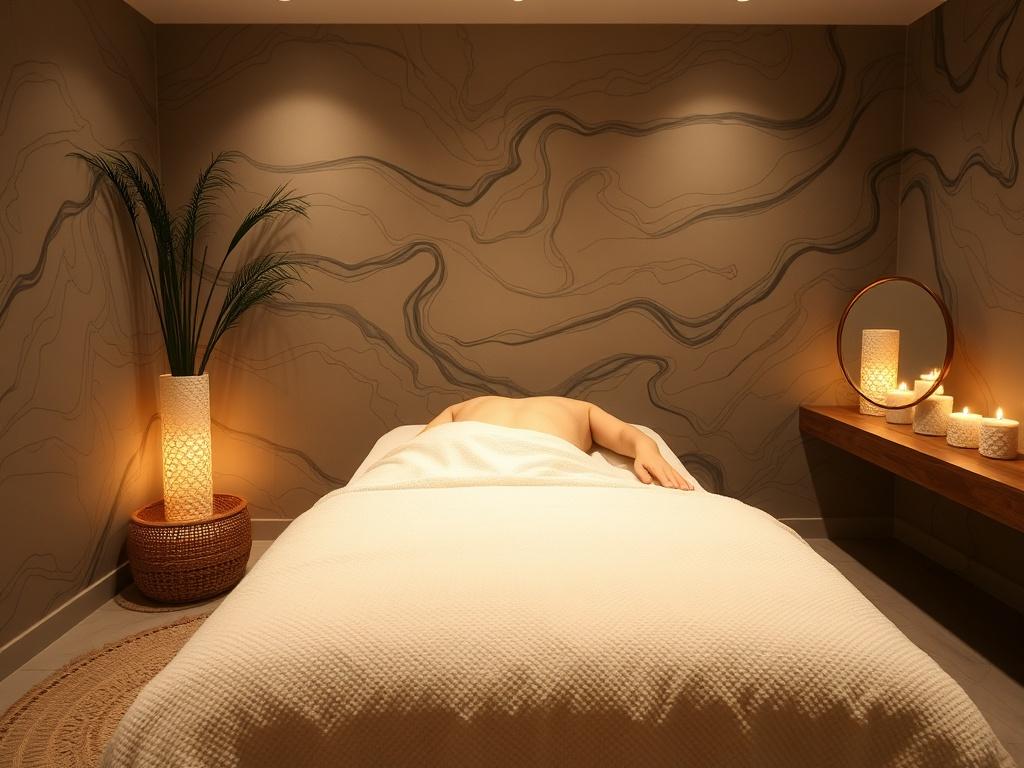
Good sessions live or die by setup. The gel will end up everywhere it can: on you, on the other person, and on anything cloth within reach if you haven’t planned a barrier. A waterproof environment keeps the experience smooth. Many providers use an inflatable vinyl mattress or a PVC-coated mat designed for wet massage. At home, people improvise with a thick, waterproof mattress protector or a plastic painter’s drop cloth covered by a washable sheet. Whatever you choose, secure the edges so nothing bunches or slips.
Temperature matters, and not just for comfort. A warm room helps muscles relax and keeps the gel from feeling bracing on first contact. If you can, aim for slightly warmer than normal indoor temperature. Place towels and a robe within arm’s reach for the post-session shuffle to the shower. Keep a trash bag nearby for disposable items like paper towels, gloves (if used), or protective covers. And think through the path to the bathroom—wet footprints on tile can be treacherous.
Lighting and sound set the tone. Low, diffuse light is easier on the eyes and keeps the mood calm without hiding where the gel is going. A small speaker with a playlist of slow instrumentals or mellow electronic beats works well. Scented candles are fine if you’re sure no one is sensitive to fragrance, but never place open flames near plastic mats or alcohol-based cleaners. If you prefer scent without smoke, a diffuser with a single, non-irritating essential oil works, used sparingly. Fresh air is underrated—crack a window if the room heats up too much.
- Lay down a waterproof barrier: inflatable mat, vinyl cover, or properly secured protector.
- Warm the room and the gel; set towels and robes nearby.
- Stash non-slip bath mats on the floor leading to the shower.
- Keep a small bowl of warm water for rehydrating the gel if it starts to tack.
- Prepare cleaning supplies: mild soap, microfiber cloths, and a bucket or spray bottle.
- Set expectations: talk through boundaries, preferred pressure, and any sensitive areas.
How a Professional-Style Session Typically Flows
No two providers work exactly the same way, and what’s offered depends on the setting and local rules. That said, the arc is usually similar: a brief intake and shower, a gel-heavy glide phase, and a calm wind-down with cleanup. The aim is continuity of touch—fewer breaks, more body-weight contact, long strokes that travel from shoulders to calves in one continuous slide. If you’re used to table massage with lotions, it will feel less like a series of techniques and more like a slow, enveloping dance.
The best sessions are paced. There’s an opening that eases you into it, a center section with more weight and pressure, and a closing that brings the nervous system back down. Breathing guides the rhythm. Silence is common, though some providers check in quietly to gauge comfort. Water breaks happen if needed, and towels appear like magic right when you’re wondering how cleanup will work. When the session ends, there’s a clear cue—words, a touch—and a transition to the shower. It’s not rushed.
Before the Session: Intake, Boundaries, and Hygiene
A brief intake is not bureaucracy; it’s the foundation of a good experience. A provider will ask about injuries, recent surgeries, pain points, allergies, or skin conditions. You should feel comfortable mentioning anything that might affect comfort: sensitive knees, recent sunburn, even a tendency to get lightheaded in warm rooms. This is also when providers state boundaries clearly—what’s included, what’s off-limits—and get your explicit agreement. In regulated settings, those boundaries are non-negotiable and protect everyone involved.
Hygiene is straightforward. Both parties shower, either together if that’s part of the service or separately if not. Clean skin helps the gel do its job and reduces any risk of irritation or cross-contamination. Clean towels, clean surfaces, clean hands—simple details that matter. Some providers use disposable face rests or head towels and ask clients to tie back long hair with a band to keep gel away if preferred.
During the Session: Contact, Pressure, and Pace
0
The glide is the signature. The practitioner may start with hands to spread gel and confirm comfort with pressure, then shift to forearms, torso, and thighs for broad, warming contact. The aim isn’t speed. It’s a steady, unbroken flow with enough body weight to feel present but not so much that joints are compressed. Think of it as a tide: pressure rolls in, eases, and returns. Areas like shoulders and lower back typically receive more time, while bony regions get lighter attention. If a spot is tender, the provider should adjust immediately; good communication can be silent—a hand squeeze, a breath pause—and still be understood.
Because everything is slick, positioning changes are gradual. You might be guided from prone to supine with steady hands at the shoulder and hip. The practitioner keeps one point of contact even while moving so you always know where they are. In some sessions, gentle stretches or compressions are added—nothing acrobatic, just lengthening the hips or chest. If you’ve brought up specific discomforts during intake, the provider can emphasize supportive positioning and pressure that respects them.
Aftercare: Transition, Cleanup, and Grounding
0
Rushing a gel-heavy session to a hard stop feels jarring. A thoughtful close helps the body recalibrate. Many practitioners reduce glide at the end by applying a slightly damp towel, then switch to slower, lighter contact so the nervous system comes down. You’ll often be invited to sit up slowly and sip water. Lightheadedness can happen when you’ve been horizontal for a while in a warm room; slow transitions keep it comfortable.
Cleanup is part logistics, part ritual. You’re guided to the shower, sometimes with the provider discreetly tidying the space while you rinse. The gel rinses quickly under warm water; a little soap helps if you’ve layered it on thick. After drying off, take a minute to notice how you feel—relaxed, energized, or pleasantly heavy. A brief check-in often follows: any feedback, any areas that need attention next time, and practical details like drying time for the mat or when to avoid slippery floors.
Etiquette and Expectations
Nuru massage lives in a gray area between spa-style bodywork and adult entertainment, depending on who’s providing the service and where. Etiquette threads that needle by centering respect and clarity. Before you book, read the provider’s description carefully. If something isn’t clear, ask a direct question via the channel they prefer. Don’t assume what’s “standard”—standards vary wildly by city and by provider. If the listing includes a code of conduct, treat it like a contract.
Arrive clean, on time, and sober. Intoxication and slippery surfaces make a bad pair, and alcohol dulls body awareness. Bring the agreed payment in the form requested; many providers decline electronic payments for privacy reasons. Turn your phone to airplane mode before the session starts. If you’re tense or shy, say so; good practitioners are used to first-timers and can tailor the pace. Praise and feedback are welcome, but keep it respectful and focused on the experience rather than the person’s body. If tipping is customary in your area and the provider accepts it, do so discreetly.
For First-Time Clients
Nerves are normal. The service is intimate, and you may worry about how to act. There’s no script beyond courtesy: follow instructions, communicate comfort, and don’t try to steer the session physically unless asked. If you feel at any point that something’s off—too cold, too fast, too much pressure—say a simple line like, “Can we slow down?” You don’t need to apologize for speaking up.
Plan for the aftermath. The gel is water-soluble, but your hair might pick up a little slickness; a quick shampoo fixes it. Wear loose, dark clothing for the trip home so any stray dampness or gel marks aren’t an issue. Hydration helps; warm rooms and long sessions can leave you thirsty.
For Couples at Home
When done at home, the magic is in the agreement, not just the gel. Trade ten minutes of conversation for two hours of better connection. Ask: What sounds good? Any no-go areas? Who leads first? How will we signal “pause”? Keep the plan simple; improvisation is easier when you share the same expectations. Many couples switch roles halfway through, with a brief rinse in between to refresh the glide.
Consider using music and a timer to create structure. A soft chime every 10–15 minutes can cue a position change or a shift in focus without breaking the mood. Clean up together afterward; it turns a chore into part of the ritual and ensures neither person feels like staff. If the gel makes the floor slick, lay towels like stepping stones to the shower and skip any sudden movements.
Legal and Ethical Considerations
Here’s the part that many guides skip: in a lot of jurisdictions, nuru massage as marketed online collides with massage therapy regulations. Licensed massage therapists often operate under rules that prohibit sexual contact or erotic services. That means you typically won’t find nuru on the menu at a mainstream clinic. Where erotic services are regulated or prohibited, practitioners may work outside licensure entirely. This isn’t a moral judgment; it’s a legal reality. If you’re seeking a nuru session from a professional, understand the landscape where you live and don’t pressure anyone to cross boundaries that put their livelihood—or safety—at risk.
Ethics sit on top of law. Consent is ongoing and can be withdrawn at any point. Recording without explicit permission is a violation. Sharing private details about a provider online without consent is a violation. If anything about the experience feels unsafe or coercive, stop and leave. For providers, clear communication in listings and pre-session messaging reduces misunderstandings. For clients, honoring stated boundaries—no exceptions—builds trust and a safer community for everyone who offers or enjoys intimate services.
Hygiene, Health, and Safety
Because nuru massage involves full-body contact and a lot of moisture, hygiene is paramount. Pre-session showers are not a formality; they lower the chance of skin irritation and keep the gel clear. Clean linens, clean surfaces, and clean hands prevent breakouts or infections from opportunistic bacteria on shared equipment. If a provider isn’t using washable or disposable barriers, that’s a red flag. If you’re practicing at home, launder everything in hot water and let plastic surfaces air-dry thoroughly before storage.
Be mindful of health conditions. Avoid sessions if you have open cuts, active skin infections, poison ivy, serious sunburn, or a fever. If you’re pregnant, have cardiovascular issues, or are recovering from surgery, ask a healthcare professional about bodywork and heat exposure generally; while nuru isn’t strenuous, warm rooms and pressure may not be appropriate for everyone. People with severe allergies should read gel ingredient lists carefully. If someone has a history of fainting in hot showers or saunas, keep sessions shorter and cooler.
Common Risks and Simple Precautions
The biggest day-to-day risk with nuru isn’t dramatic—it’s slipping. Floors, steps, and doorknobs get slick. Place towels or non-slip mats on the route to the shower and wipe your hands before touching anything polished. Keep a dedicated “feet towel” at the mat edge so you can dry soles before walking. If you lose footing, sit and scoot rather than attempt to catch yourself with soapy hands.
The second risk is skin irritation. Patch test new gels, especially scented ones. If you notice redness or stinging, rinse immediately and switch products. For cleanup, use mild soap on skin rather than harsh detergents; plastic mats can handle stronger cleaners if needed, but test a small area so you don’t degrade the material. Finally, mind the temperature: a room that’s too hot may cause dizziness, particularly when standing up after long periods lying down.
| Concern | What to Watch For | Practical Action |
|---|---|---|
| Slippery floors | Wet footprints, shiny film on tile | Lay non-slip mats; dry feet before walking; clean with soap |
| Skin irritation | Redness, itching, burning | Patch test; choose fragrance-free gel; rinse immediately if irritated |
| Allergies | History of reactions to seaweed or preservatives | Read labels; carry antihistamines if advised by a clinician; pick hypoallergenic formulas |
| Heat sensitivity | Lightheadedness, nausea | Keep room warm but not hot; sit up slowly; hydrate |
| Hygiene lapses | Reused linens, sticky surfaces | Use washable or disposable barriers; launder, disinfect, and air-dry thoroughly |
Tools, Accessories, and Alternatives
You don’t need a warehouse of gear to create a safe, comfortable nuru setup, but a few items make a big difference. An inflatable massage mat is the gold standard for many because it provides a cushioned, waterproof surface with raised edges that contain spills. If that’s not available, a heavy-duty mattress cover topped with a fitted sheet works. Some couples use camping air mattresses, but check for puncture risk and whether the material tolerates oil or gel without degrading.
For the gel itself, pump bottles are easier mid-session than screw caps. A small bowl of warm water or a spray bottle can rehydrate the gel if it starts to dry in spots. Keep microfiber cloths close; they pick up residue better than paper towels and wash clean afterward. A simple space heater can lift room temperature five degrees without making it stuffy. And don’t forget the post-session basket: spare towels, hair ties, a wide-tooth comb, and a bottle of water set near the shower.
If you’re looking for a “nuru-lite” experience, aloe gel is a gentle alternative. It’s not as slippery for as long, but it’s easy on sensitive skin and rinses clean. Some couples blend aloe with a small amount of glycerin to extend slip—go easy; too much can feel sticky. Avoid silicone lubes on large surfaces unless you’re prepared for a serious cleanup job; they excel in other contexts but cling to floors and plastic in a way most people don’t love post-session.
A final accessory that sounds mundane but matters: an inexpensive, battery-powered handheld fan. A quick pass over the mat before you start can help evaporate stray puddles around the edges, reducing the risk of rolling onto a cold patch and breaking the spell. Small comforts add up.
Business Realities: Booking, Privacy, and Policies
On the professional side, nuru services are often booked directly through independent providers rather than conventional spas. Listings emphasize discretion and may require screening to ensure safety for both parties. Expect clear policies: deposit requirements, cancellation windows, accepted payment methods, and exact session lengths. Respect those policies; they’re not arbitrary. If the provider asks for ID verification or references before confirming, that’s common in many markets where personal safety is a major concern.
Privacy is part of the value proposition. Reputable providers keep personal and client details confidential, and you should do the same. Don’t share identifying information about the person you saw, and don’t post unauthorized photos or reviews that violate stated boundaries. If a provider bans recording, take that seriously. Communicate schedule changes promptly; a last-minute cancellation can sink an entire day’s income for someone working solo.
Rates vary based on location, experience, and session length. The supply chain—gel, protective coverings, laundry, room rental or studio costs—adds real overhead, and preparation takes time. Comparing the price to a standard table massage ignores those realities. If the cost is out of reach, some providers offer shorter “intro” sessions or seasonal specials; ask politely, and be ready to accept no as a complete answer.
Cultural Context and Common Myths
Nuru exploded into popular consciousness through adult media, which shaped expectations in ways that don’t always match real life. On screen, everything looks effortless: no talk, no setup, no cleanup, no boundaries. In practice, the conversation and the logistics are part of the experience. That doesn’t make it less appealing; it makes it more grounded. The quiet planning and the mutual agreement create the container that lets intimacy feel safe rather than chaotic.
Another myth is that nuru is a cure-all—instantly reconnecting any couple or dissolving stress on contact. It can be a potent reset, but like any shared ritual, it’s only as good as the attention you bring. If you’re distracted, in a rush, or trying to force a fantasy that doesn’t fit, it will feel disjointed. The simplest sessions are often the most satisfying: warm room, plenty of gel, slow movement, and respectful touch. That’s it.
There’s also a persistent confusion between therapeutic massage and erotic services. They are not the same, and conflating them does a disservice to both licensed therapists and to providers who specialize in erotic touch. If you want medical-grade bodywork for pain or rehab, book a licensed therapist and stick to a conventional modality. If you’re seeking sensual novelty and consensual closeness, that’s a different lane with different rules.
Comparing Nuru to Other Bodywork Styles
It helps to know where nuru sits among other modalities so you can choose the experience you actually want. Swedish massage focuses on long, soothing strokes with oil, moving blood and lymph while easing superficial tension. Deep tissue targets specific muscles with slower, stronger pressure to address adhesions. Thai massage uses stretching and compressions on a mat, often fully clothed. Tantric bodywork (a broad and variably defined category) centers on breath, presence, and sensual touch within agreed boundaries. Nuru overlaps with some of these in feel—but its signature is the body-to-body glide and the immersive slickness of the gel.
If your primary goal is relief from a stiff neck, deep tissue or clinical sports massage will likely serve you better. If your goal is sensual connection, play, and a novel tactile experience, nuru fits. If you’re looking for a meditative, breath-led encounter with minimal movement, tantric or slow oil-based sessions might be closer. There’s no hierarchy here—just tools for different aims. Knowing the differences ensures you don’t book one thing while hoping for another.
| Modality | Primary Touch | Medium | Typical Setting | Best For |
|---|---|---|---|---|
| Nuru | Body-to-body gliding | Water-based gel | Waterproof mat/room | Sensual connection, immersive glide |
| Swedish | Hands, long strokes | Oil or lotion | Massage table | General relaxation, light to moderate tension |
| Deep Tissue | Slow, focused pressure | Minimal oil | Massage table | Chronic tightness, specific problem areas |
| Thai | Stretching, compressions | Clothed, no oil | Floor mat | Mobility, energy, assisted stretching |
| Tantric-inspired | Slow, sensual touch | Oil or gel | Mat or table | Breath, presence, intimacy |
Practical Tips for a Smooth Experience
0
A few small habits elevate the session. Trim nails the night before; gel magnifies the sensation of scratches. Remove jewelry—rings, necklaces, bracelets—that can catch or tug. Keep a small towel within reach to wipe hands if you need to adjust music or lighting mid-session. If hair products don’t play well with slippery rooms, pull hair back gently or wear a soft headband that you don’t mind washing afterward.
Time boundaries help, too. Set a clear start and end time so the session has a satisfying arc and doesn’t drift. If you’re paying for professional time, end punctuality is respectful; if you’re at home, it prevents fatigue from sneaking in. A short “landing” period after the shower—five minutes to sip water and talk quietly—locks in the sense of connection rather than snapping back into normal life immediately.
Cleanup Without the Stress
0
You’ll thank yourself later for not treating cleanup as an afterthought. Start with the bodies: a warm shower eases everything off. Then tackle the surfaces. For mats and vinyl covers, a bucket of warm water with a small amount of mild soap, plus a microfiber cloth, works well. Wipe, rinse, and towel-dry, then let air-dry fully before folding to prevent mildew. For floors, use soapy water rather than plain water; it breaks the film better and reduces slip.
Linens go straight into a laundry bag. Wash on warm or hot if the fabric allows, with a standard detergent. Avoid fabric softeners that can lock in residue. If you’ve used a mattress protector, wipe it before removing so you don’t drip on the floor. Check the path to the bathroom one last time and put down a dry towel if any spots still shine. With a routine, cleanup becomes tidy and quick rather than an energy drain.
If You’re Unsure Whether Nuru Is for You
Start by asking what you’re actually seeking: novelty, closeness, relaxation, or all three. If the idea of full-body contact appeals but the gel sounds like a hassle, try a warm-oil body slide on a well-protected surface first—it’s less slippery but still offers enveloping touch. If consent conversations feel awkward, that’s a reason to practice them, not a reason to avoid the experience. Simple scripts help: “I like slow, gliding contact. Please skip my left shoulder; it’s tender. Can we check in if I go quiet?” That’s enough.
If you’re thinking about booking a provider and feel nervous about legitimacy, do the basic due diligence. Look for consistent listings, clear policies, and reviews that mention professionalism and hygiene rather than just looks. Trust your gut; if communication feels evasive or pushy, walk away. You can always try again later with someone who presents their work with care.
A Note on Language and Respect
0
Discussions around erotic services can quickly slide into objectification or shame. It’s possible to keep the tone human. Providers are people with boundaries and a skill set; clients are people with hopes and nerves. A good session respects both. Neutral language helps—talk in terms of comfort, pressure, pace, and boundaries rather than fantasy shorthand that can mean different things to different people. Clear words reduce friction in the only place you don’t want it.
That approach also reduces disappointment. When everyone names what they want—and what they don’t—the experience tends to land closer to the mark. The gel carries you the rest of the way.
Conclusion
Nuru massage is simple at heart: warm room, slick gel, slow contact, and clear consent. Around that simplicity are the details that make it work—careful setup, safe surfaces, real conversations about boundaries, and an honest look at legal context where you live. When those pieces are in place, the experience can be deeply soothing and vividly intimate, whether you book a professional or explore it with a partner. Go slowly, keep it respectful, and let the glide do its quiet work.